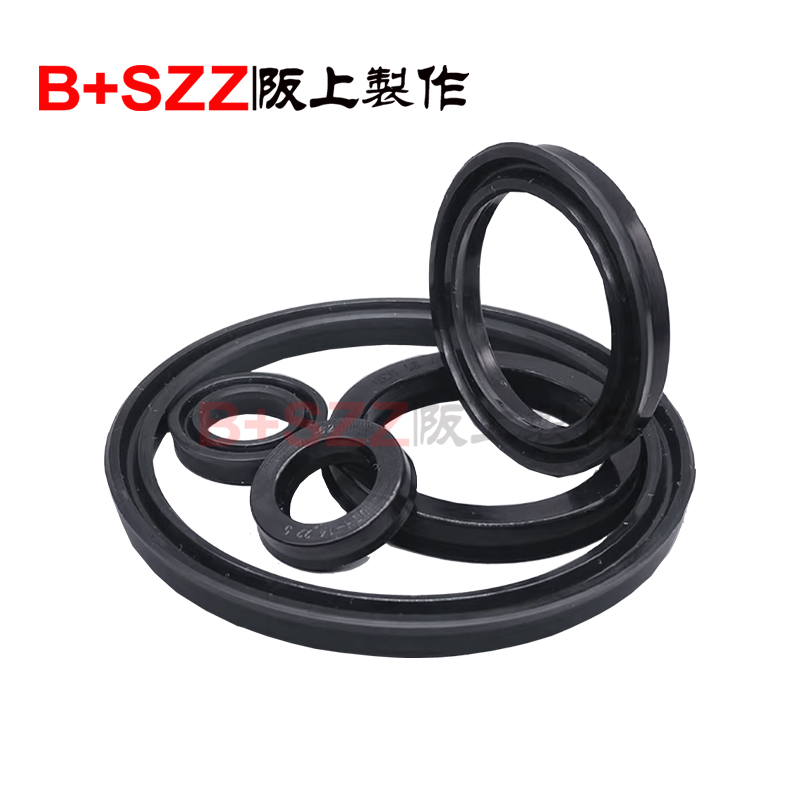
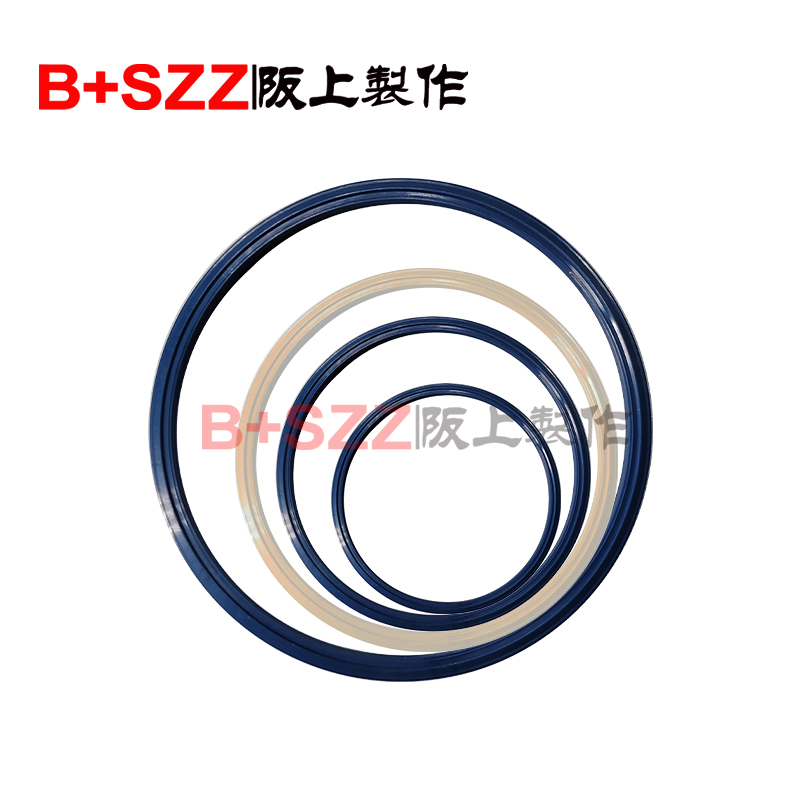
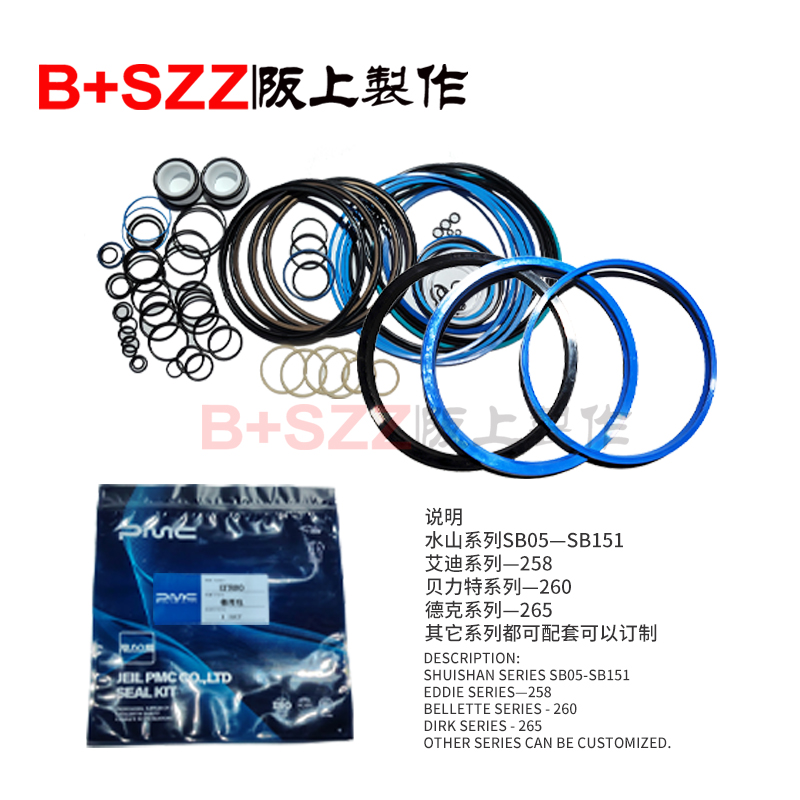
Classification according to rubber materials: adapt to the needs of different working conditions
Rubber material is the core factor that determines the performance of the sealing ring. The temperature resistance, oil resistance and chemical corrosion resistance of different materials are significantly different. They need to be selected according to the medium type, temperature range and pressure conditions:
I. Nitrile rubber (NBR) sealing ring
Features: high cost performance, excellent oil resistance (especially resistant to mineral oil and vegetable oil), good elasticity, small compression permanent deformation; however, poor ozone resistance and weather resistance, not suitable for strong oxidizing media.
Applicable scenarios: automobile fuel system, hydraulic system, machine tool fuel tank seal, the temperature range is usually -40℃~120℃.
II. Fluororubber (FKM) sealing ring
Features: Extremely strong temperature resistance (-20℃~250℃, special formula can reach 300℃), resistant to strong corrosive media (such as acids, alkalis, organic solvents), ozone resistance and weather resistance are outstanding; however, the elasticity is poor, the low temperature performance is weak, and the cost is high.
Applicable scenarios: aerospace, chemical equipment, high-temperature sealing of engines, and sealing of strong corrosive media (such as freon and sulfuric acid).
III. Hydrogenated nitrile rubber (HNBR) sealing ring
Features: Improved on the basis of nitrile rubber, with both oil resistance and temperature resistance (-40℃~150℃), better anti-aging, anti-compression permanent deformation performance, and high mechanical strength; the cost is higher than that of ordinary nitrile rubber and lower than that of fluororubber.
Applicable scenarios: automobile gearboxes, hydraulic motors, oilfield mining equipment and other medium-high-temperature and high-pressure oil-liquid sealing scenarios.
Original source: Pneumatic seal https://www.bszzseal.com/