There are many kinds of oil seals used in excavators, which are mainly divided into the following categories according to their structure and function:
I. Classification by movement state
Static sealing: used between two bonding surfaces without relative motion.
O-ring: the most commonly used, used for end covers, flanges, threaded joints, etc.
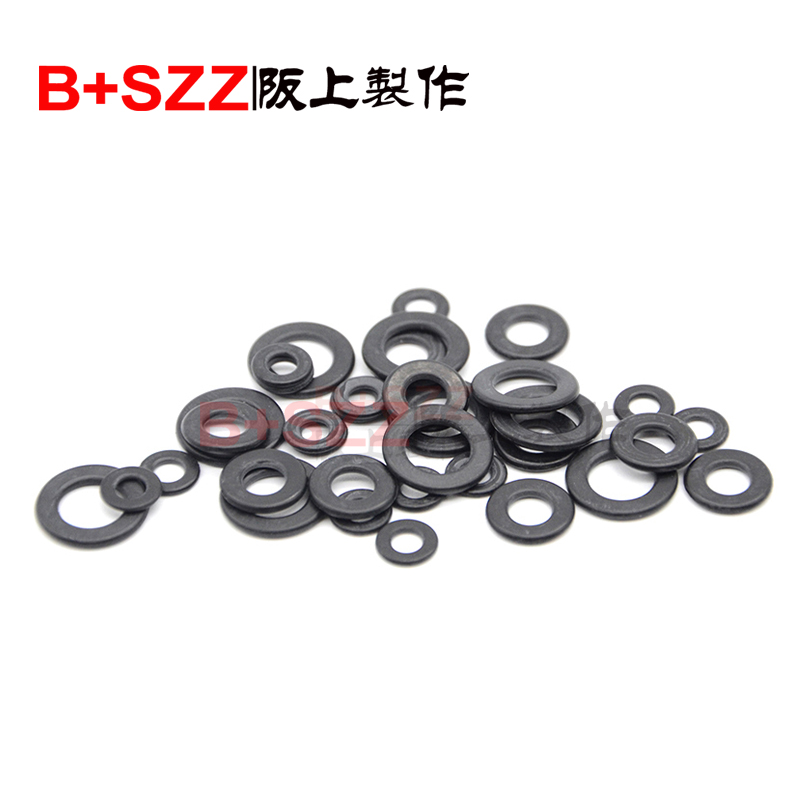
Gasket: used for oil sump, valve block and other bonding surfaces.
Sealant: used to make up for the slight unevenness of the bonding surface.
Dynamic seal: used between two parts with relative motion. This is the most complex and easily damaged seal on the excavator.
Rotating seal:
Oil seal: usually refers to the skeleton oil seal, which is used for rotating shafts, such as the output shaft of the walking motor and the rotary motor.
Mechanical seal: pump shaft for high-speed rotation, etc.
Reciprocating seal:
Hydraulic cylinder seal group: This is the core dynamic seal on the excavator, including:
Main seal: withstand the main pressure of the system to prevent oil leakage.
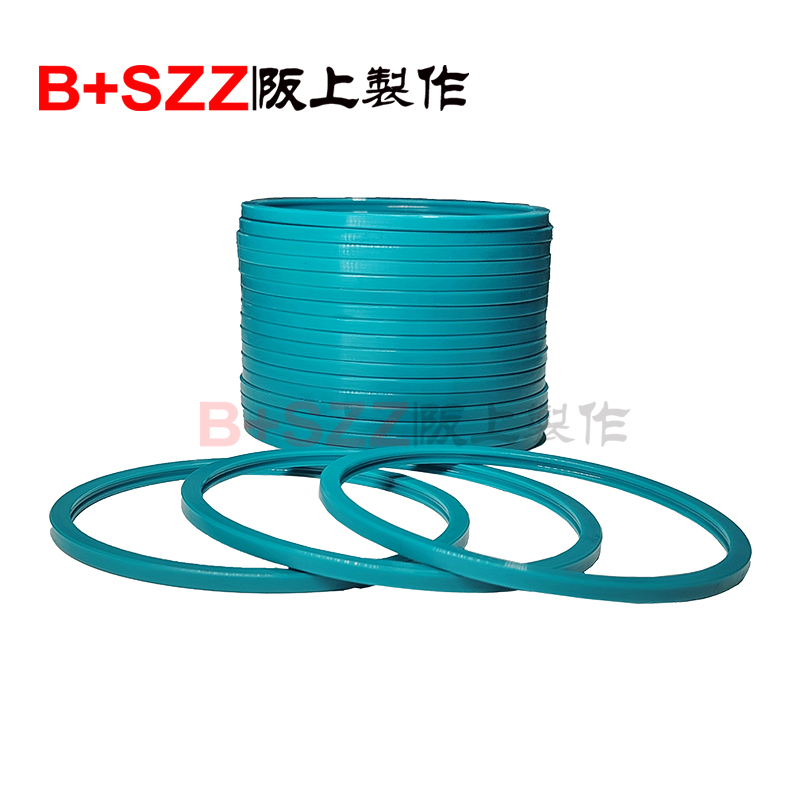
Dust ring: It is located on the outermost side to prevent dust and sand from scratching in and protect the internal seal.
Guide belt: Support the piston rod to prevent metal contact and partial grinding.
Steve, grid ring, etc.: special seals for pistons and piston rods, with the characteristics of low friction and high pressure resistance.
II. Classification by structural form (common brands and names)
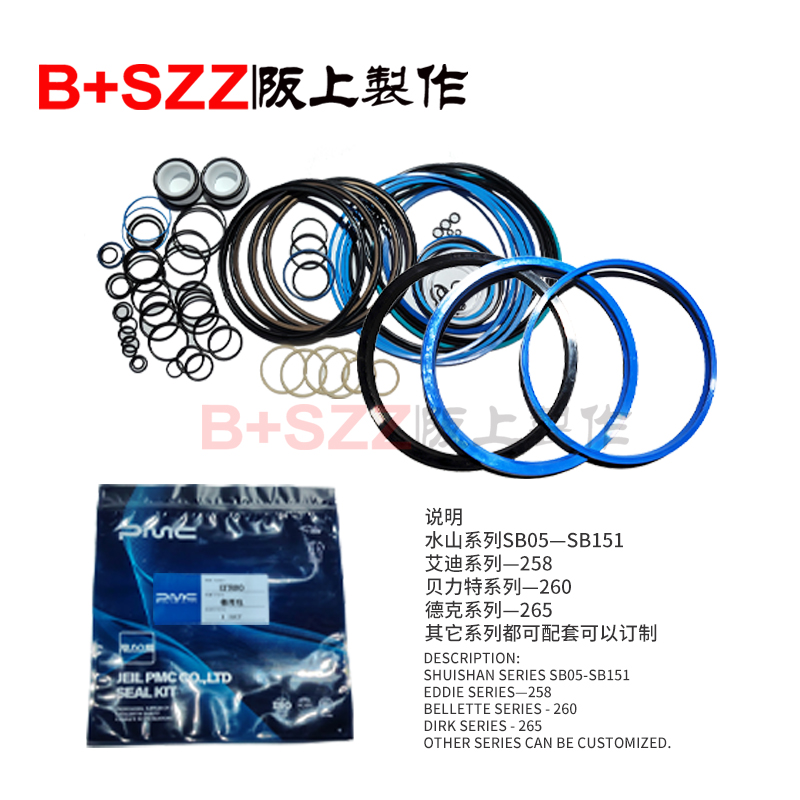
B+SZZ seals: Chinese brands enjoy a high reputation in the field of construction machinery, and many main engine factories are equipped with original factories.
PMC, BSCP, etc.: well-known German brands with excellent performance.
Common structural types:
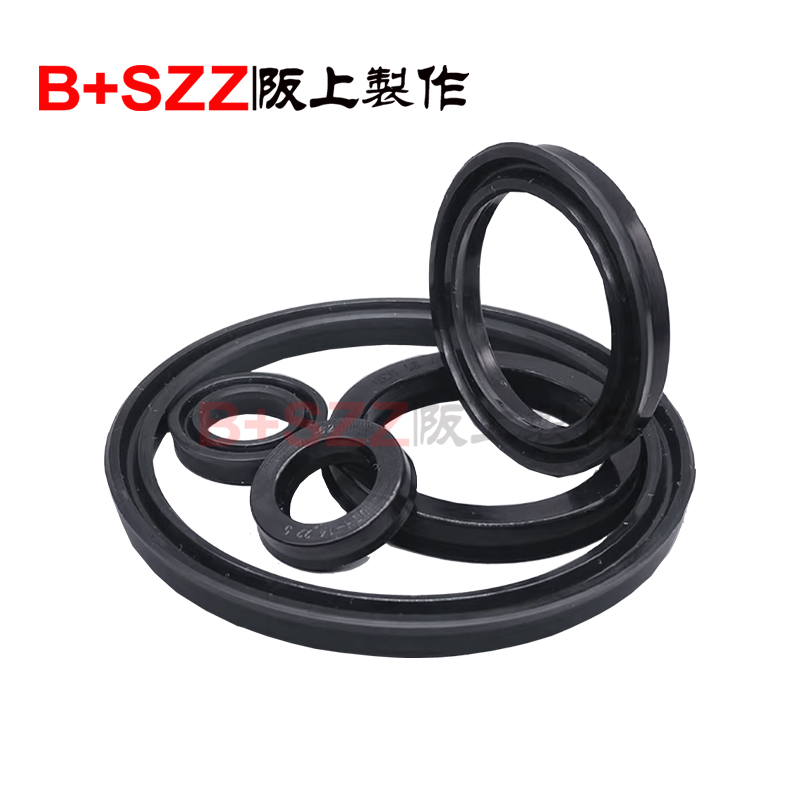
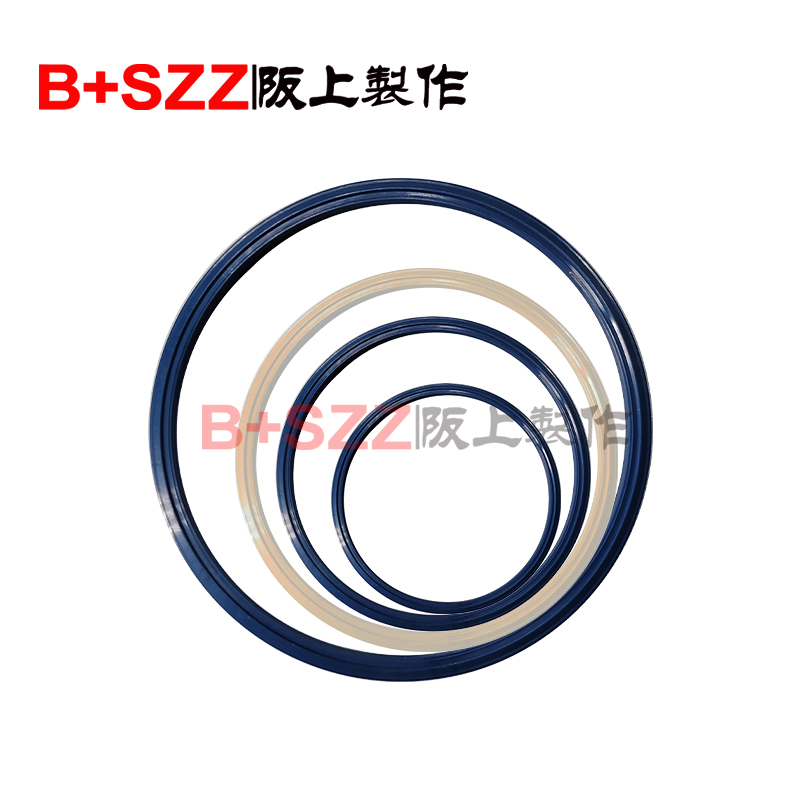
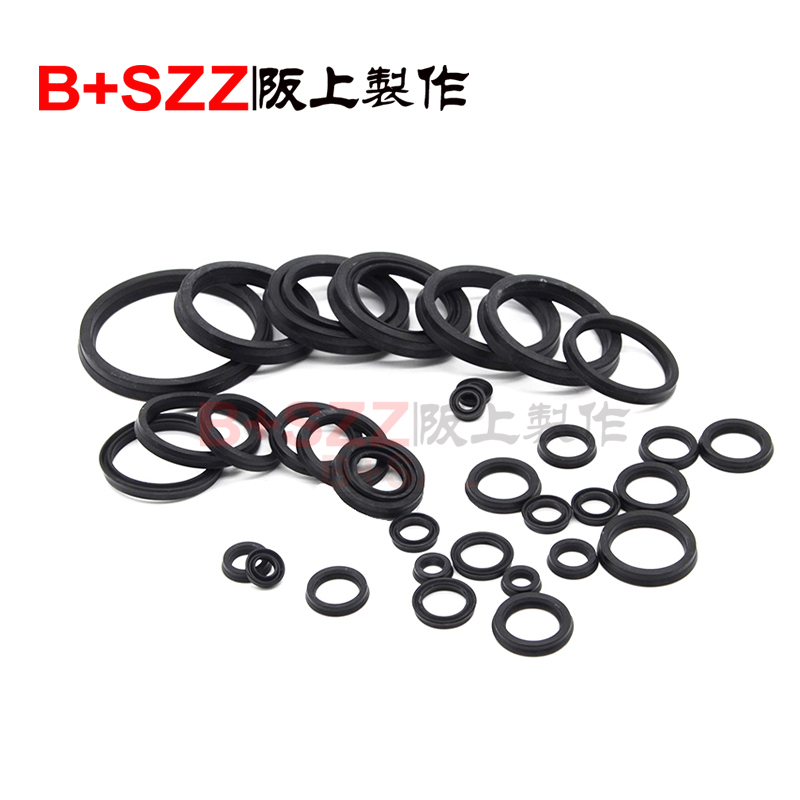
O-ring, Y-ring, U-ring, V-ring
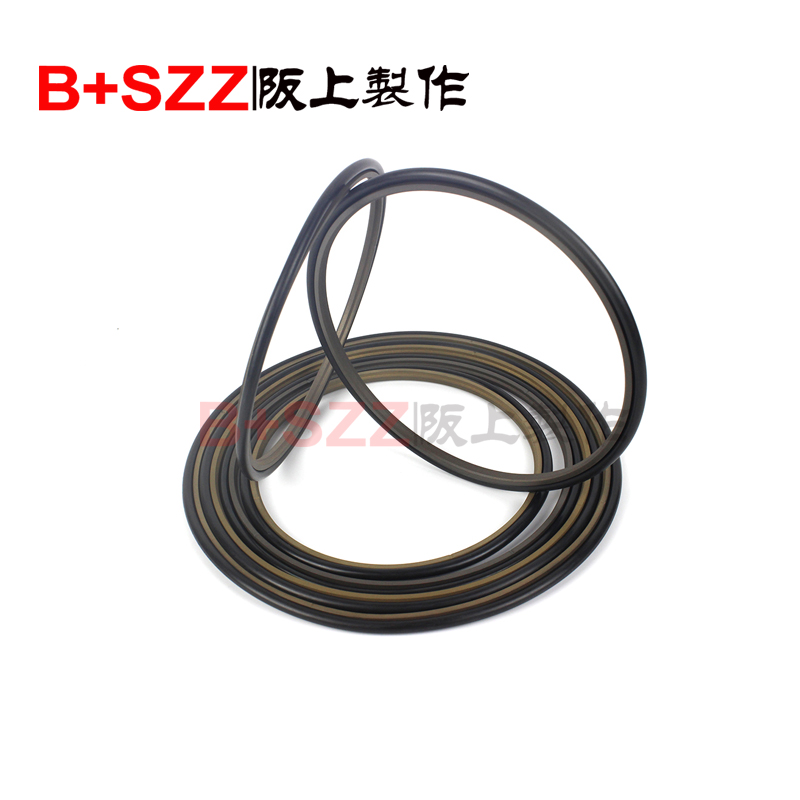
Combination seals: such as Gley ring and ster seal, which are composed of elastomers (such as O-rings) and wear-resistant rings (such as polytetrafluoroethylene PTFE), with excellent performance.
Original text from: Excavator repair package https://www.bszzseal.com/