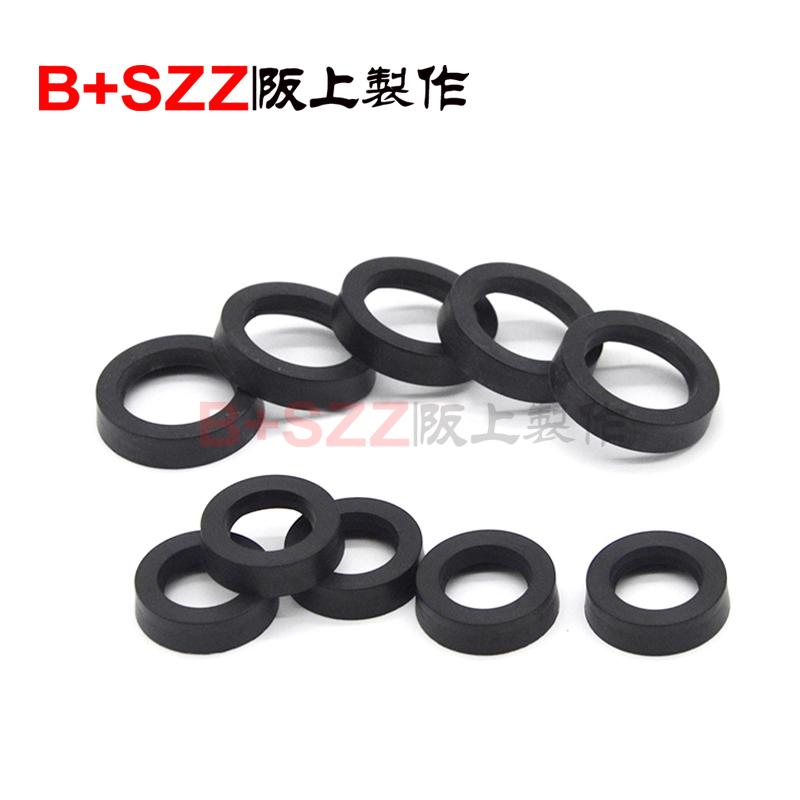
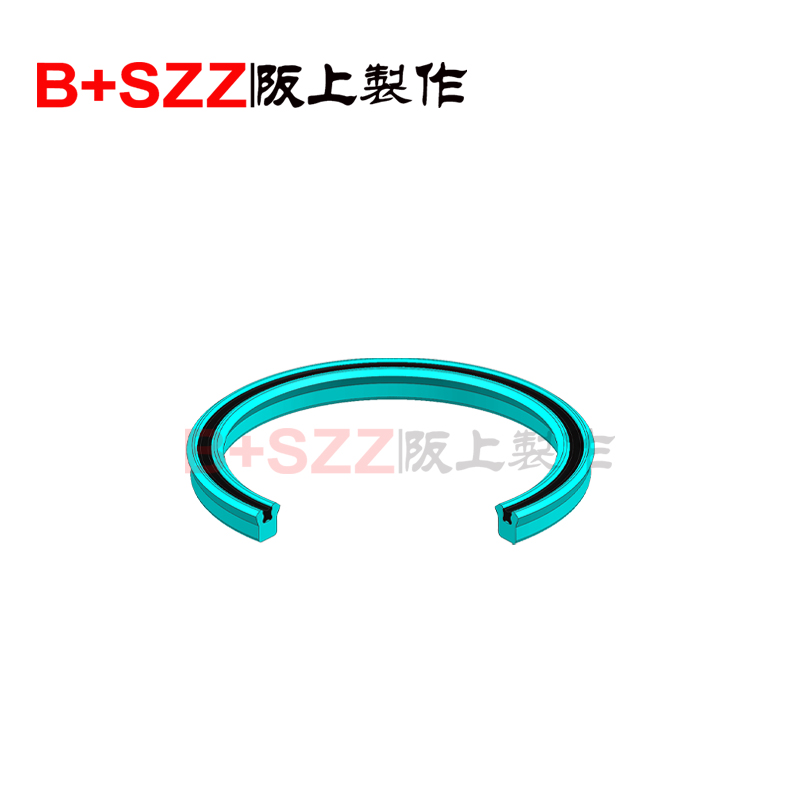
Rubber seals are widely used in all walks of life. Once the seal fails, the equipment cannot work normally, causing small economic losses, and the life of the operator in the accident crisis is large. Therefore, when we operate the equipment, we must develop good inspection habits and strictly follow the safety operation procedures of the equipment. Deal with problems in time. Make more careful analysis of the problem, which will help us find out the problem, take corresponding preventive measures in future operations, and reduce the occurrence of accidents.
The reason for the failure of the seal may be caused by many aspects, such as poor quality, material aging, etc. Today, I will mainly analyze the common failure reasons in the daily operation of the equipment.
1. Failure caused by improper material selection
First of all, we believe that material selection is a very important link in equipment production. Choosing the right and good quality materials is the basic condition to ensure the long-term validity of the seal.
Commonly used rubber sealing materials include ternyethylene propylene rubber (EPDM), nitrile rubber (NBR), silicone rubber (VMQ), fluororubber (FKM or FPM) and neoprene (CR), etc. These rubbers have different characteristics and applications. The selection of materials should be considered from many aspects, such as the temperature of use, whether the material is resistant to the medium, the hardness of the material, the permanent deformation of compression and wear resistance and other factors.
The mistake of material selection is that it is simple but actually relatively complicated. It is not a simple selection of materials according to the purpose, but also to learn to combine the environment of use. For a list, there is a customer who does not like the O-ring he is using, because this O-ring is easy to break. We checked the replaced sample and found that there were cracks on the surface of the sample, and the grain was very similar to ozone aging. We also inquired about the use environment of the O circle and found that there were many mechanical equipment and electric motors around. Now there is the answer: the sparks of electric motors can produce ozone, resulting in a high concentration of ozone in local small environments; and the material selected by the customer is nitrile rubber, which is not resistant to ozone. In order to verify the conclusion, we tested it in the laboratory ozone aging chamber, and the results showed similar cracks on the surface of the new O-ring provided by the customer. Since the seal only has long-term contact with the air and no other substances such as mineral oil, we finally recommend ternary ethylene propylene rubber to replace the customer’s existing products.
Sometimes the use environment is complicated, or it is a brand-new design, and it is not very easy to choose materials. In addition to carefully screening various influencing factors, functional tests are also required.
2. The quality problem of the seal causes the seal to fail.
The production quality of seals is closely related to the reliability of the final product. Common problems are: unstable quality of raw materials, wrong raw materials when mixing rubber, improper storage of raw materials or mixed rubber (cross-contamination), uneven mixing of rubber, improper vulcanization conditions (temperature, time, pressure, etc.), improper preservation of sealed products, improper use of molds, etc. These problems often involve quality control in the production process. When choosing a sealing manufacturer, the ordering party should conduct many inspections, researches and product testing. In the process of supply, manufacturers of seals can also be required to provide true and accurate inspection reports.
3. Design error
Design errors are usually caused by designers’ lack of understanding of the product. For example, the pressure estimate of the seal is insufficient, the understanding of the contact stress distribution on the seal surface is wrong, and the groove design of the seal is unreasonable.
Finite element analysis (FEA) is often used to assist the design and failure analysis of seals. We once made a seal for an American customer, which was made of plastic as the main body and partially wrapped in rubber. In the process of testing the parts, the customer found that the plastic part was easy to crack during the test, thus concluding that the plastic part was damaged during the secondary molding (that is, the rubber coating on the plastic part). After our analysis, we found that the plastic parts were cracked in one place. Through finite element analysis, we found that the broken part of the plastic part is actually the place where the seal is subjected to the maximum stress, and the stress here has far exceeded what the plastic can withstand.
If the customer uses the finite element method to analyze the product at the time of design, it can not only avoid similar errors, but also save their time and money. Of course, if you want to successfully analyze and predict the performance of rubber seals, you must not only have suitable finite element analysis software, but also have rich material experience, modeling experience and long-term data accumulation.
4. Failure of the seal caused by improper use of the seal
A good seal, if used improperly, will also cause the whole product to fail, such as the wrong use of lubricating oil.
One of our customers said that the size and requirements of O-ring parts are very different. When we analyzed the sample, we found that the customer used the wrong lubricant. The O-ring is made of ternary ethylene propylene rubber, and the material itself is not resistant to mineral oil lubricants. If the customer coats this kind of lubricant, it will cause the volume of the product to swell. Later, it will be no problem to ask the customer to change to silicone oil.
Another common problem is installation error. For example, distortion occurred during the assembly of the O-ring; uneven pressure of the seal due to improper installation; insufficient lubrication of the seal and other mistakes. If these mistakes are caused by the manufacturer of the seal, then it is within the control of production quality. If it is caused by the ordering party or a third party, it is caused by improper use.
Reasonable design is one of the important factors to ensure the effective use of seals.
Today’s science and technology are changing rapidly, and many new sealing materials and engineering designs have appeared on the market to meet various stringent requirements. At the same time, most seal manufacturers also adopt a scientific quality management system. Unfortunately, these efforts cannot prevent the failure of the seal. Therefore, failure analysis is particularly important.
Original text from: pneumatic seal https://www.bszzseal.com/