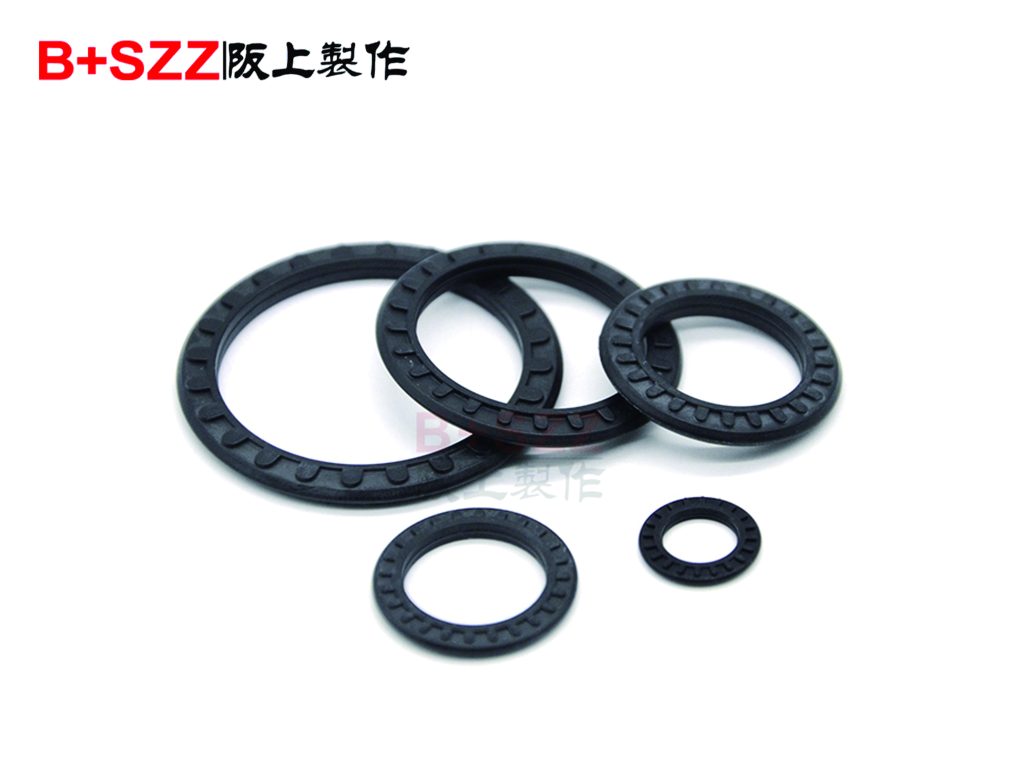
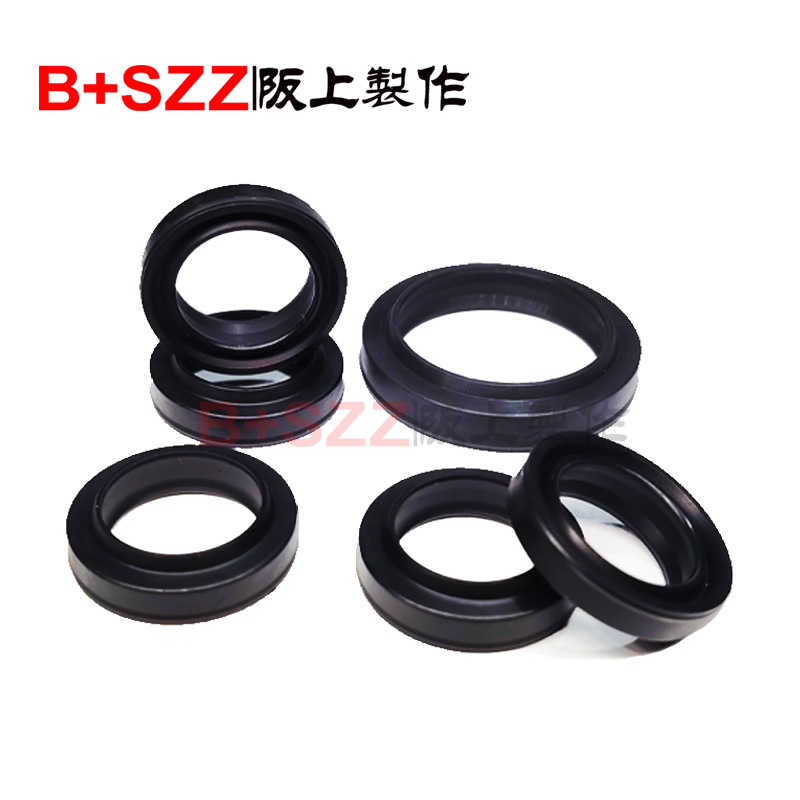
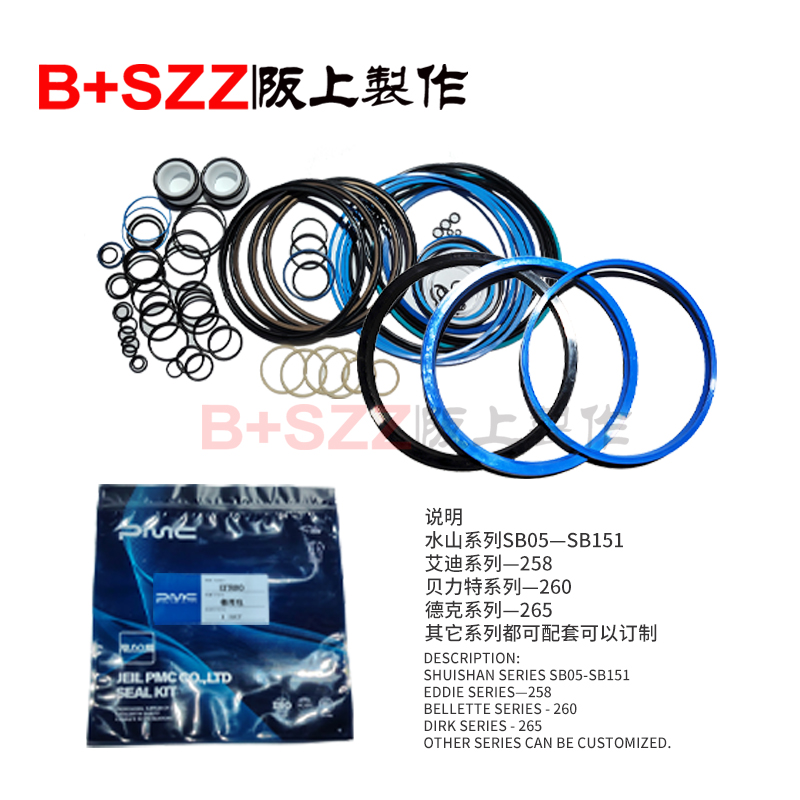
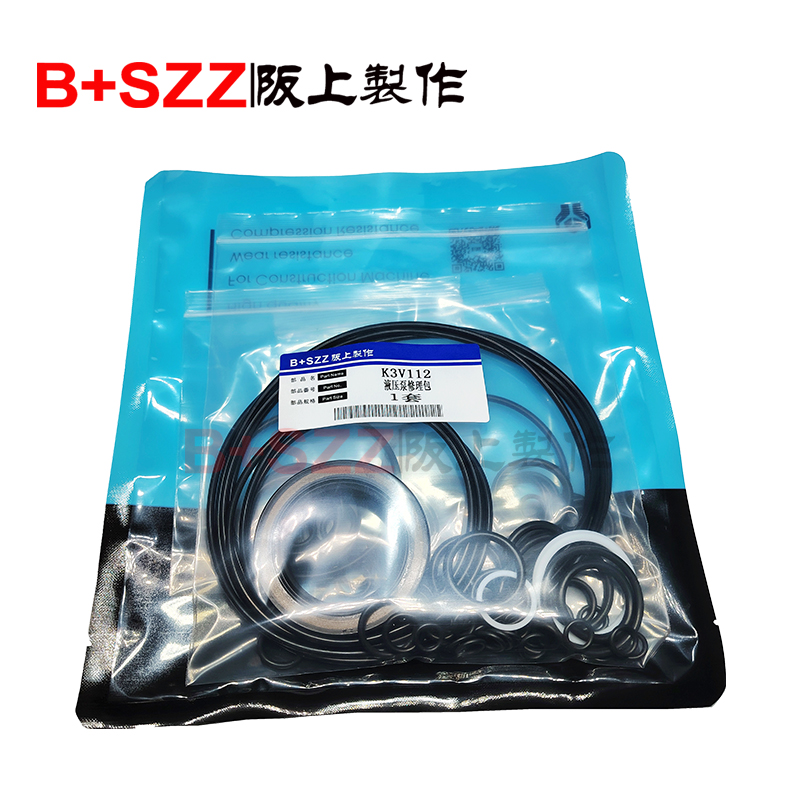
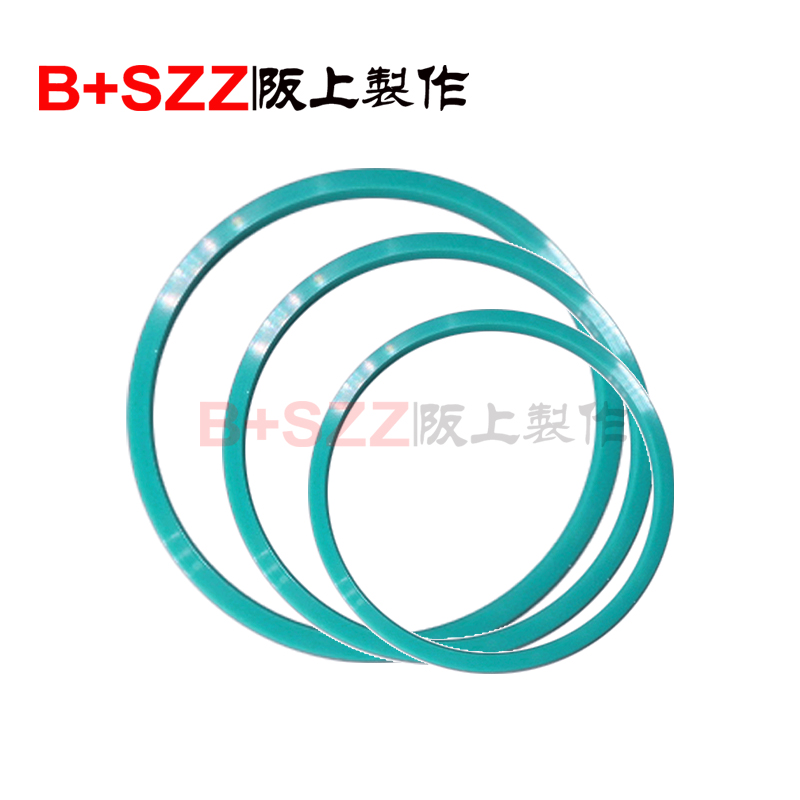
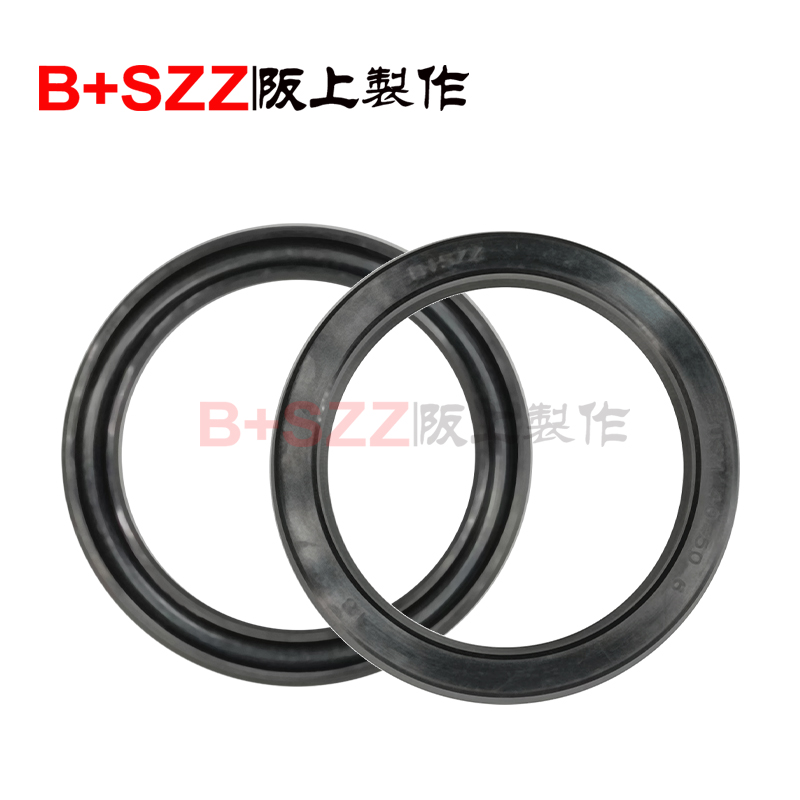
Pneumatic rubber seals are critical components in pneumatic systems that use compressed air or inert gases as working media. Unlike hydraulic seals, they operate in low-pressure, dry, and high-speed environments where lubrication is often minimal. Their primary functions are maintaining air pressure, preventing leakage, and excluding contaminants in cylinders, valves, and pneumatic tools.
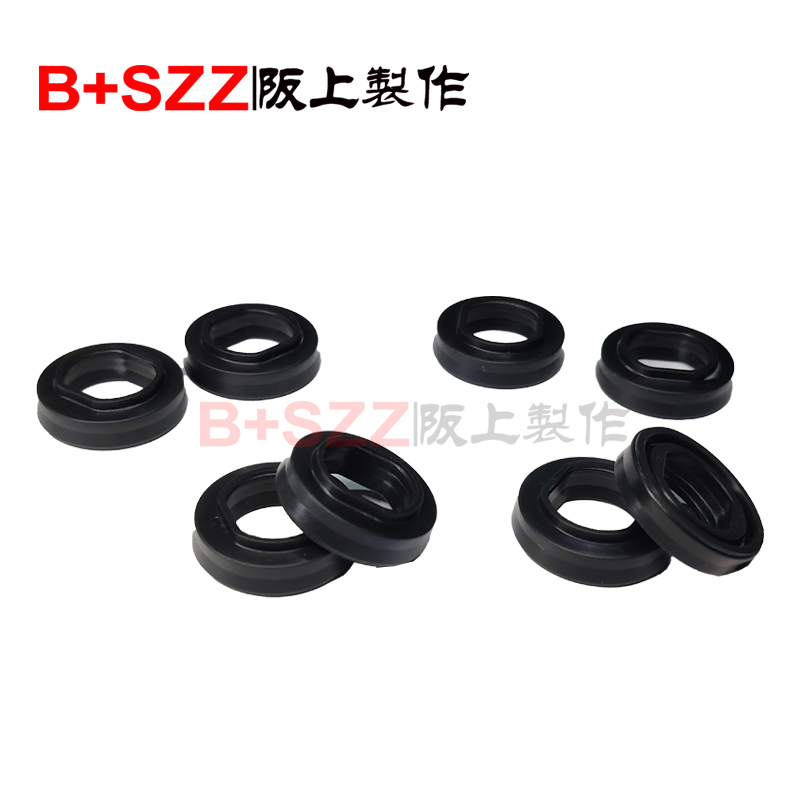
| Seal Type | Typical Applications | Key Characteristics |
|---|---|---|
| O-Rings | • Static seals: pipe fittings, valve bodies • Dynamic seals: pneumatic pistons/rods (with lubrication) |
Most versatile; cost-effective. Require proper lubrication in dynamic applications to prevent wear. |
| Pneumatic Piston Seals | Single/double-acting pneumatic cylinders | Designed for bidirectional or unidirectional sealing. Often include integrated wear rings for low friction. |
| Rod Seals | Pneumatic cylinder rod glands | Prevent air leakage and scrape off contaminants from the rod. Critical for keeping systems clean. |
| Wiper Seals (Scrapers) | Outermost part of cylinder rods | Primary defense against dust, dirt, and moisture. Usually made of polyurethane for durability. |
| U-Cups | Pneumatic pistons and rods | Common in compact cylinders. Provide good sealing with low friction. Easy to install. |
| X-Rings (Quad Rings) | Alternative to O-rings in dynamic applications | Two sealing surfaces reduce rolling/twisting. Lower friction than O-rings. |
| Diaphragms | Pneumatic valves, pumps, actuators | Flexible membranes that isolate sections while transmitting motion. |
| Bellows & Boots | Rod covers, actuator protection | Protect moving parts from contamination while allowing movement. |
2. Common Rubber MaterialsMaterial selection focuses on low friction, wear resistance, and compatibility with dry/lubricated air.
| Material | Key Properties | Typical Applications |
|---|---|---|
| NBR (Nitrile) | Good mechanical properties, oil resistance (if lubricated), cost-effective. | Most common for general pneumatic seals with occasional lubrication. Temperature: -30°C to +100°C. |
| Polyurethane (PU/PUR) | Excellent wear resistance, high tear strength, good mechanical properties. | Ideal for wipers, rod seals, and high-wear dynamic seals. Preferred over NBR for dry or abrasive conditions. |
| FKM (Fluorocarbon) | Excellent temperature & chemical resistance. Low compression set. | High-temperature pneumatics, aggressive environments, or with special lubricants. |
| Silicone (VMQ) | Wide temperature range (-60°C to +225°C), flexible, inert. Poor wear resistance. | Static seals, high/low-temperature applications, food-grade pneumatics. |
| EPDM | Excellent weather, ozone, steam, and water resistance. Poor oil resistance. | Outdoor pneumatic equipment, water/steam lines, hot air systems. |
| PTFE-based Composites | Lowest friction, chemical inertness, temperature resistance. Often combined with elastomers. | High-speed or ultra-low friction applications, dry-running cylinders. |
Critical Difference from Hydraulics: Pneumatic seals often prioritize low-friction materials like PU and PTFE composites due to minimal lubrication, whereas hydraulics prioritize fluid compatibility under high pressure.

Lack of Lubrication:
Issue: Compressed air provides little to no natural lubrication, leading to dry-running conditions.
Solution: Use self-lubricating materials (e.g., PU, PTFE-blended compounds) or design seals with low friction profiles. External lubricators may be used.
High-Speed Operation:
Issue: Pneumatic cylinders often operate at higher speeds than hydraulic ones, generating heat and rapid wear.
Solution: Lightweight, low-inertia seal designs; materials with good thermal dissipation.
Moisture & Condensation:
Issue: Compressed air often contains moisture, which can wash away lubricants and cause seal swelling or corrosion.
Solution: Use hydrolysis-resistant materials (e.g., specific PU grades, EPDM); proper air drying/filtration.
Contamination:
Issue: External dirt and internal pipe scale can accelerate wear.
Solution: Effective wiper seals and proper filtration (5-40 micron typically).
Explosive Decompression:
Issue: Rapid pressure release can cause absorbed gases to expand within the seal, creating bubbles/blisters.
Solution: Use materials with low gas permeability and proper hardness; control decompression rates.
Friction vs. Sealability:
Pneumatic systems require a careful balance—too much sealing force increases friction and wear; too little causes leakage and inefficiency.
Seal Profiles:
Dynamic seals often use asymmetric profiles (e.g., stepped lips) to optimize sealing during pressurization and retraction.
Clearance & Extrusion:
Even at low pressures (typically 0.5-1.5 MPa), rapid rod movement requires proper backup rings or integrated anti-extrusion designs.
Temperature Management:
Adiabatic compression and high-speed cycling can generate localized heat, affecting material performance.
Lubrication Compatibility:
If lubricated (oil-fog or oil-mist), ensure seal material is compatible with the lubricant (NBR works well with petroleum-based oils; FKM with synthetic esters).
| Failure Mode | Primary Causes |
|---|---|
| Abrasive Wear | Dry running, contaminated air, lack of wipers, misalignment. |
| Friction-Induced Heat & Cracking | Excessive seal squeeze, high speed, insufficient lubrication. |
| Leakage (Static/Dynamic) | Improper installation, seal damage, groove defects, material hardening. |
| Swelling/Shrinkage | Incompatible lubricants or air treatment chemicals. |
| Explosive Decompression Damage | Rapid pressure release with gas-saturated seals. |
| Installation Damage | Sharp edges, lack of chamfers, improper tools. |
Clean, Dry Air:
Use filters, regulators, and lubricators (FRL units) appropriately. Maintain air quality per ISO 8573-1.
Proper Installation:
Always use installation sleeves/chamfers; avoid stretching or twisting seals.
Material Selection:
For general purpose: NBR (if lubricated) or PU (if dry/moderate conditions).
For high temperature/chemicals: FKM.
For wide temperature/food grade: Silicone.
Regular Maintenance:
Monitor air quality, lubricator levels, and system performance. Replace wipers periodically.
System Design:
Ensure adequate cylinder bore/rod finish; proper sealing groove dimensions per standards (e.g., ISO 6431, 6432).
Pneumatic rubber seals operate in a uniquely demanding low-lubrication, high-cycle environment. Success depends on selecting low-friction, wear-resistant materials (especially PU) and designing for contamination exclusion. Unlike hydraulic systems, the primary challenges are dry running wear and air quality management. Proper selection, installation, and maintenance of pneumatic seals are essential for achieving long service life, energy efficiency, and reliable operation in automation and machinery applications.
Original text from: pneumatic seal https://www.bszzseal.com/