Pneumatic LBH Sealing Ring: Technical Reference
Definition & Core Concept
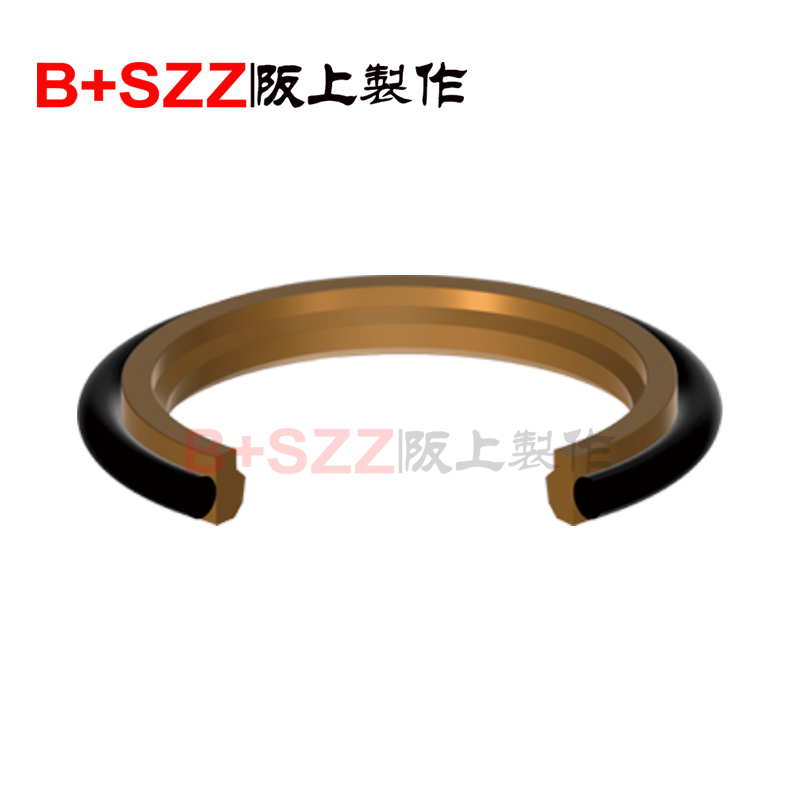
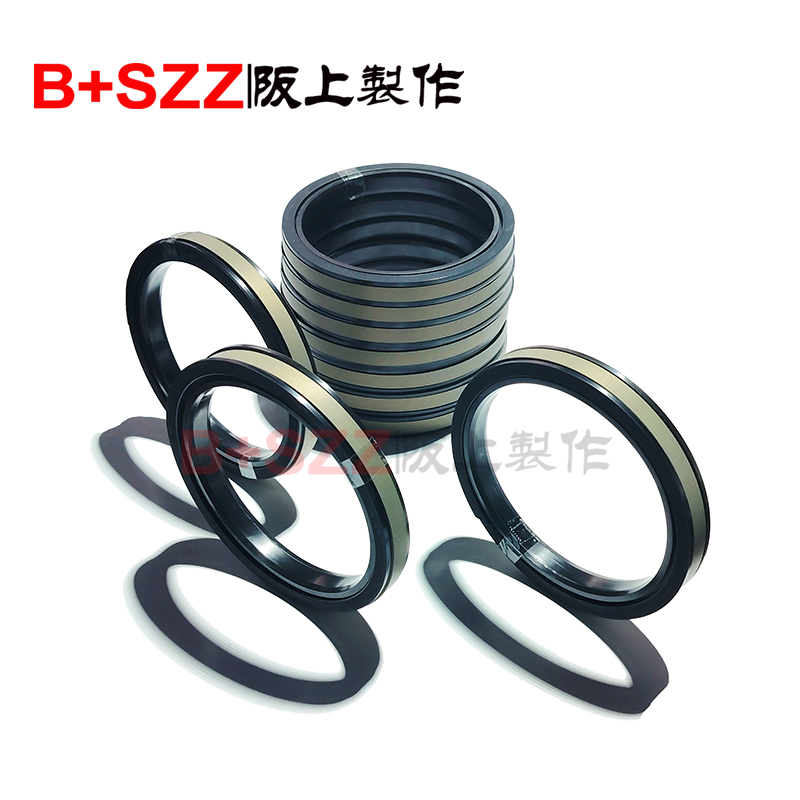
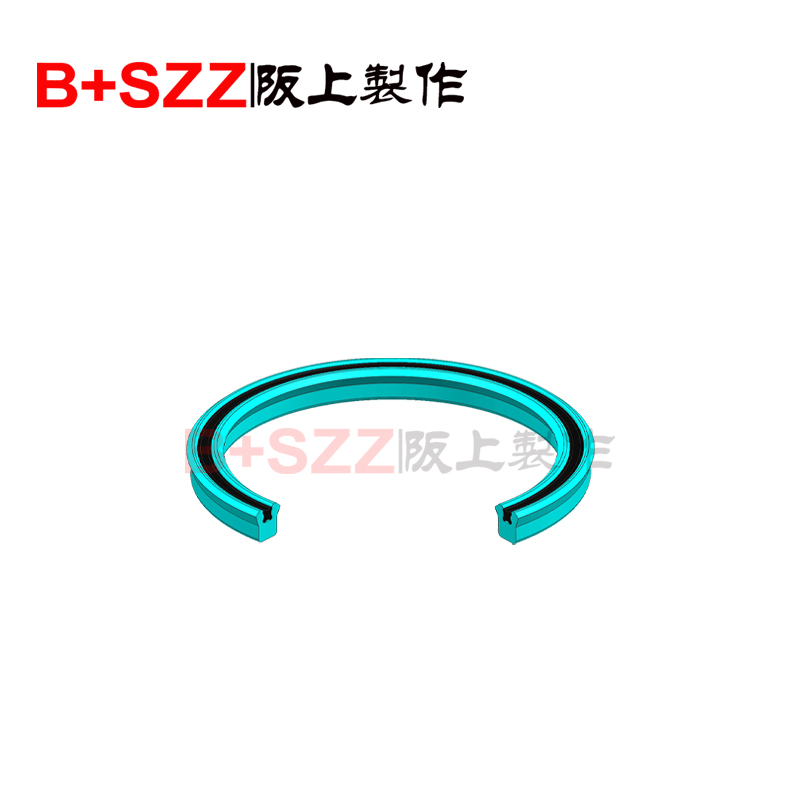
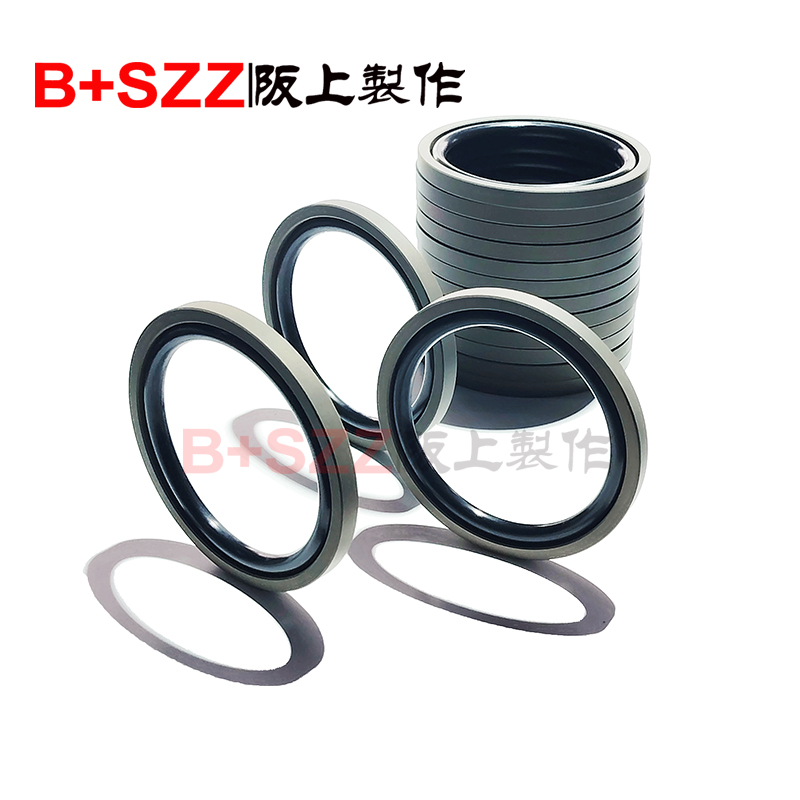
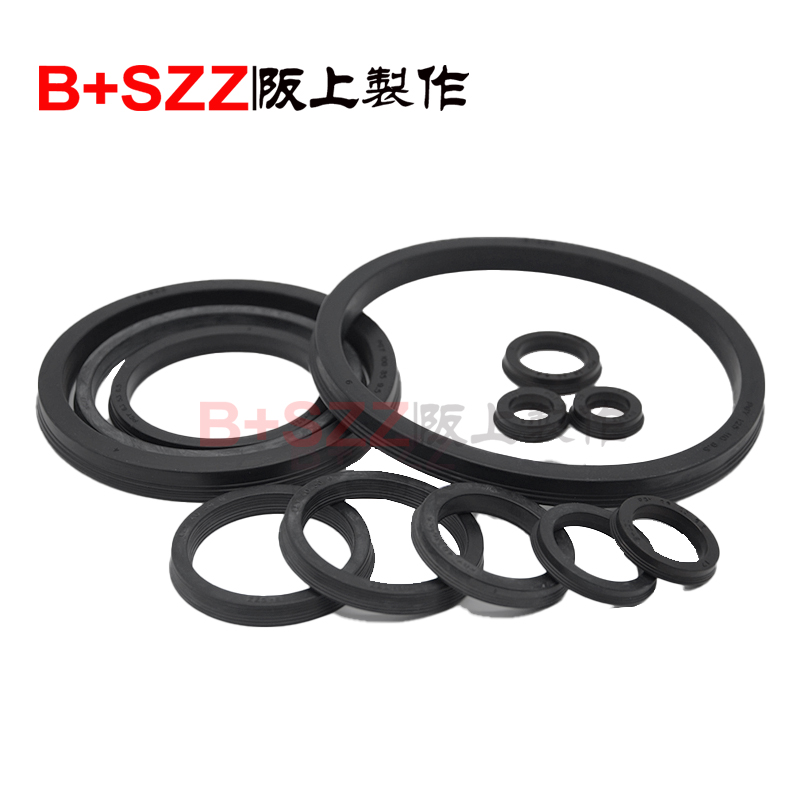
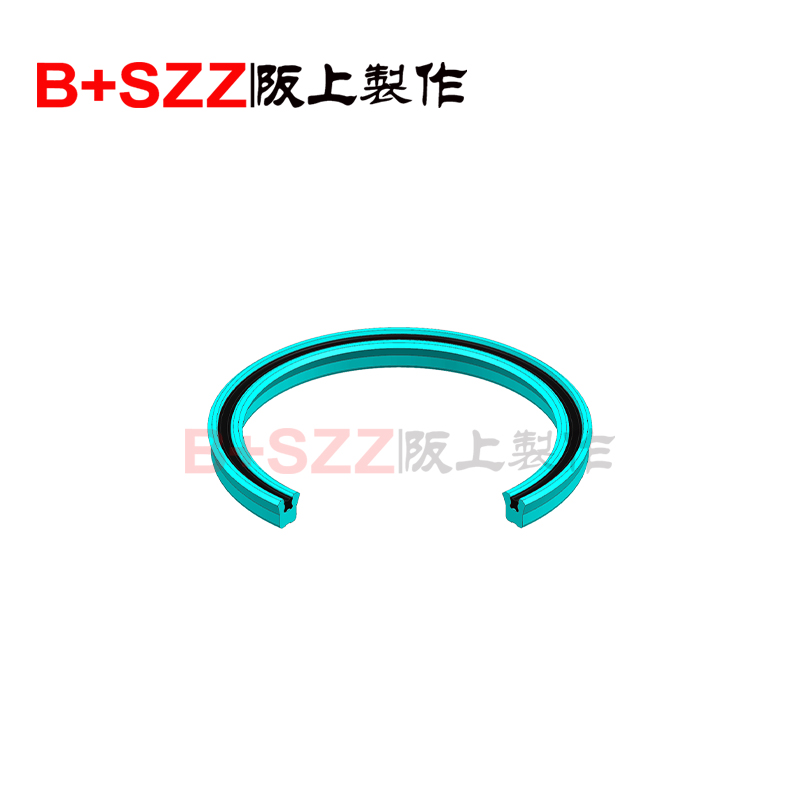
A Pneumatic LBH Sealing Ring is a specialized buffer/scraper combination seal designed for heavy-duty pneumatic applications. The “LBH” designation typically stands for “Lip, Buffer, and Hydrodynamic” or represents a specific multi-functional sealing system from a major manufacturer. It combines three critical functions into a single, integrated unit for protecting pneumatic cylinders in harsh environments.
1. Three-Layer Functional Design
The LBH seal integrates distinct layers/features:
-
Primary Sealing Lip (L):
-
Function: Main dynamic seal preventing air leakage
-
Design: Low-friction lip geometry, often made of special polyurethane
-
Feature: May include micro-hydrodynamic grooves to maintain lubricant film
-
Buffer/Support Ring (B):
-
Function: Anti-extrusion element and mechanical support
-
Design: Rigid thermoplastic ring (often POM/nylon) bonded to or integrated with the seal
-
Feature: Prevents seal lip deformation under pressure and side load conditions
-
Heavy-Duty Wiper/Scraper (H):
-
Function: Primary contaminant exclusion
-
Design: Aggressive multi-lipped scraper with large contaminant reservoirs
-
Material: Typically harder polyurethane or composite for abrasive resistance

2. Material Composition
-
Sealing Element: Polyurethane (95 ShA AU) with enhanced tear resistance
-
Buffer Ring: Glass-filled polyamide (PA-GF) or POM for dimensional stability
-
Scraper Section: Filled polyurethane (filled with MoS₂, graphite, or aramid fibers)
-
Bonding: Chemical welding or mechanical interlock between components
3. Key Performance Specifications
-
Pressure Range: 0.5 to 25 bar (7 to 360 psi) with peaks to 40 bar
-
Temperature: -40°C to +110°C (-40°F to +230°F)
-
Contaminant Protection: IP66-equivalent when properly installed
-
Side Load Tolerance: Up to 15% of rod diameter
-
Speed: Suitable for 0.01 to 1.5 m/s
4. Primary Applications
LBH seals are specifically designed for challenging environments:
-
Mobile Hydraulics (Pneumatic): Construction equipment, agricultural machinery
-
Heavy Industry: Steel mills, mining equipment, foundries
-
Marine & Offshore: Deck machinery, hatch actuators
-
Food Processing: Washdown environments with chemical exposure
-
Waste Treatment: High particulate environments
5. Installation & Groove Configuration
Unique Groove Requirements:
LBH seals require specially machined grooves with multiple diameters:
┌─────────────────────────────────────┐
│ LBH GROOVE PROFILE │
├─────────────────────────────────────┤
│ ┌─────┐ ┌─────────┐ ┌─────┐ │
│ │ Wiper│ │ Buffer │ │ Seal│ │
│ │Space │ │ Zone │ │ Zone│ │
│ └─────┘ └─────────┘ └─────┘ │
│ d3 d2 d1 │
└─────────────────────────────────────┘
Critical Dimensions:
-
d1: Primary sealing diameter (tightest tolerance)
-
d2: Buffer ring diameter
-
d3: Wiper chamber diameter (largest, for contaminant accumulation)
-
L1, L2, L3: Respective groove widths
6. Advantages Over Standard Seals
7. Manufacturer Landscape
The “LBH” designation is particularly associated with:
Primary Source:
Similar Systems:
-
Parker: WRS (Wiper, Ring, Seal) series
-
Hallite: HWS Series
-
Freudenberg: DIA-PRO series with integrated wipers
8. Installation Protocol
Step-by-Step Procedure:
-
Groove Verification: Measure all three diameters and widths
-
Cleanliness: ISO 4406 16/14/11 or better recommended
-
Lubrication: Apply thick-film grease to all cavities
-
Installation Order:
a. Install LBH seal (usually as one unit)
b. Follow with secondary rod seal if required
-
Orientation: Arrow/identification mark faces exterior
Critical Checks:
-
Wiper lips must not be inverted
-
Buffer ring must seat completely in its groove section
-
No gaps between seal sections and groove walls
9. Failure Mode Analysis
Common Issues and Solutions:
10. Maintenance & Inspection
Recommended Schedule: Every 500,000 cycles or 6 months in harsh conditions
Inspection Checklist:
-
Contaminant buildup in wiper reservoir
-
Buffer ring integrity (no cracks)
-
Primary lip flexibility (should return after deflection)
-
Rod surface condition (polishing indicates abrasive contamination)
Replacement Indicators:
-
Visible cracks in buffer ring
-
Wiper lips worn to 70% of original height
-
Continuous leakage after re-lubrication
-
Increased friction (measured force increase >20%)
Technical Summary
The Pneumatic LBH Sealing Ring represents a heavy-duty, integrated sealing system rather than just a seal. Its three-layer construction addresses the simultaneous challenges of sealing, mechanical support, and contaminant exclusion in demanding pneumatic applications. While requiring more complex machining and higher initial cost, the LBH system provides exceptional reliability in environments where standard seals would fail rapidly.
Selection Consideration: The LBH seal is over-engineered for clean, indoor applications but becomes cost-effective in harsh environments where cylinder failure would cause significant downtime. Always consult the manufacturer’s engineering department for application-specific validation when implementing LBH seals in extreme conditions.
Documentation Tip: When ordering LBH seals, always provide:
-
Complete groove drawing with three diameters
-
Environmental contamination level (ISO 4406 if available)
-
Chemical exposure details
-
Side load and misalignment specifications