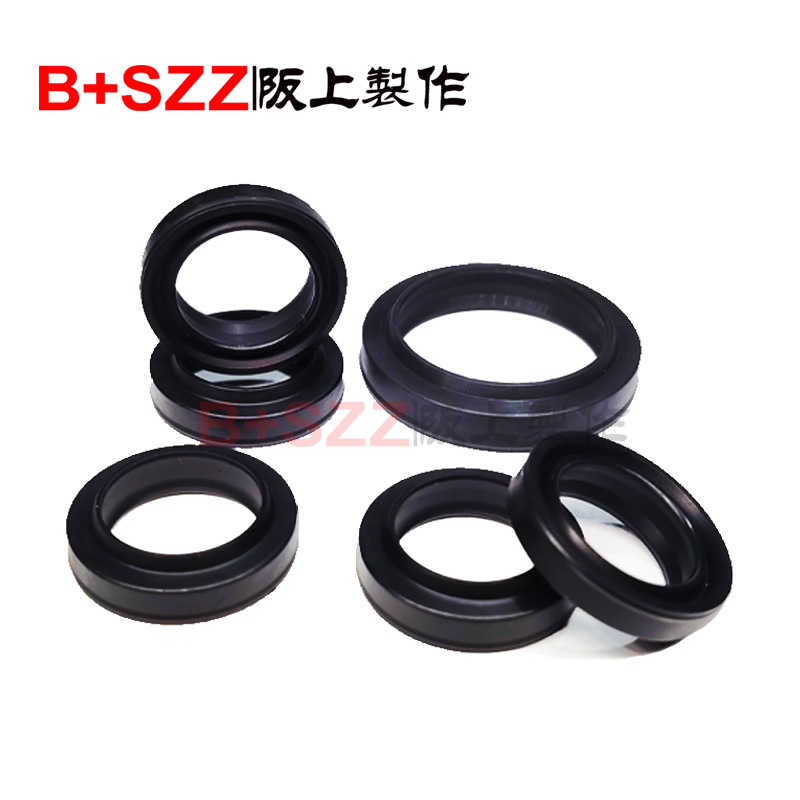
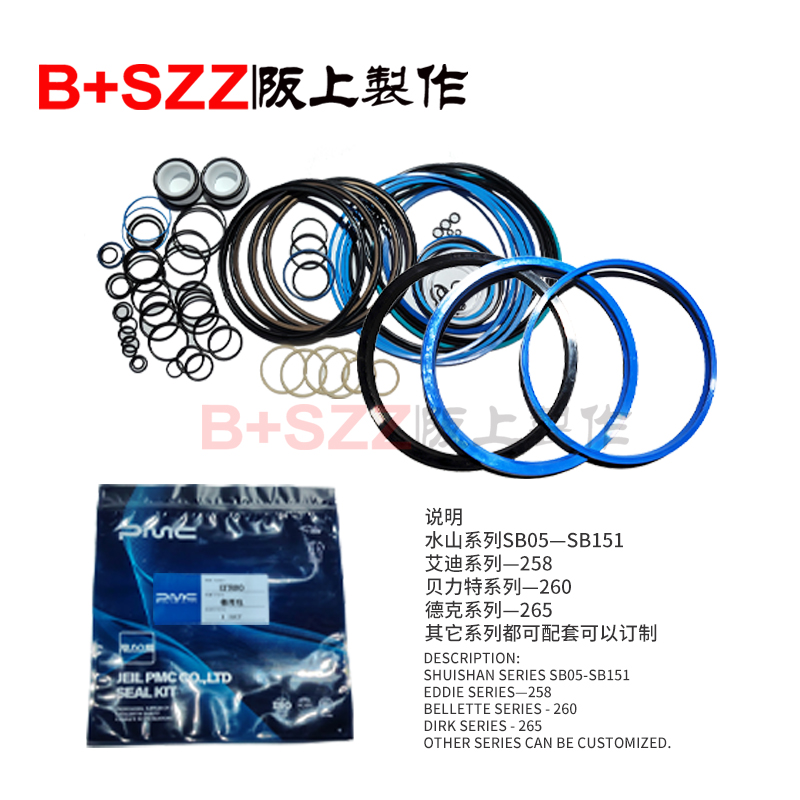
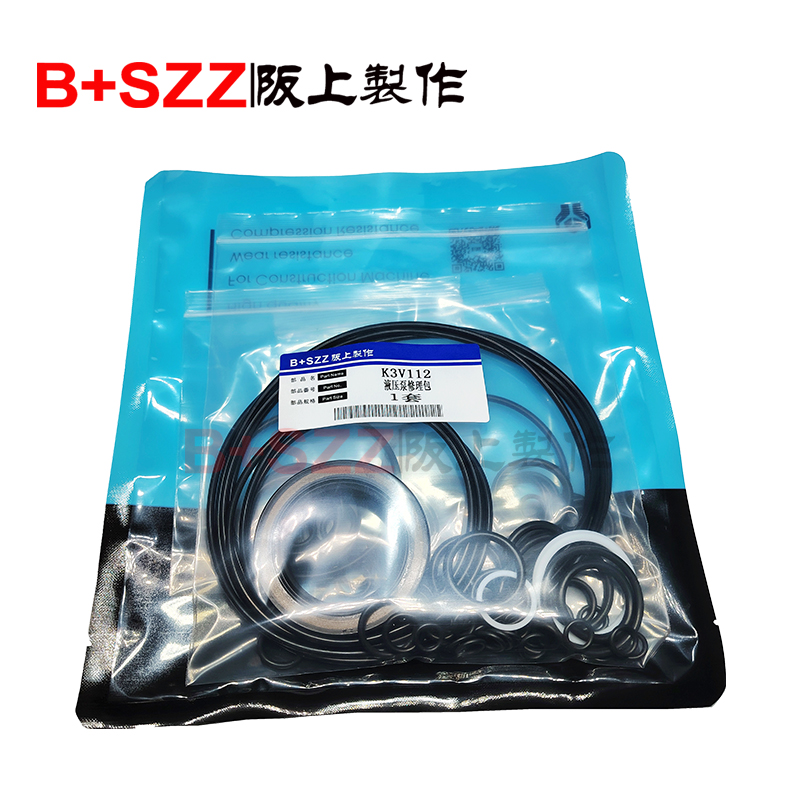
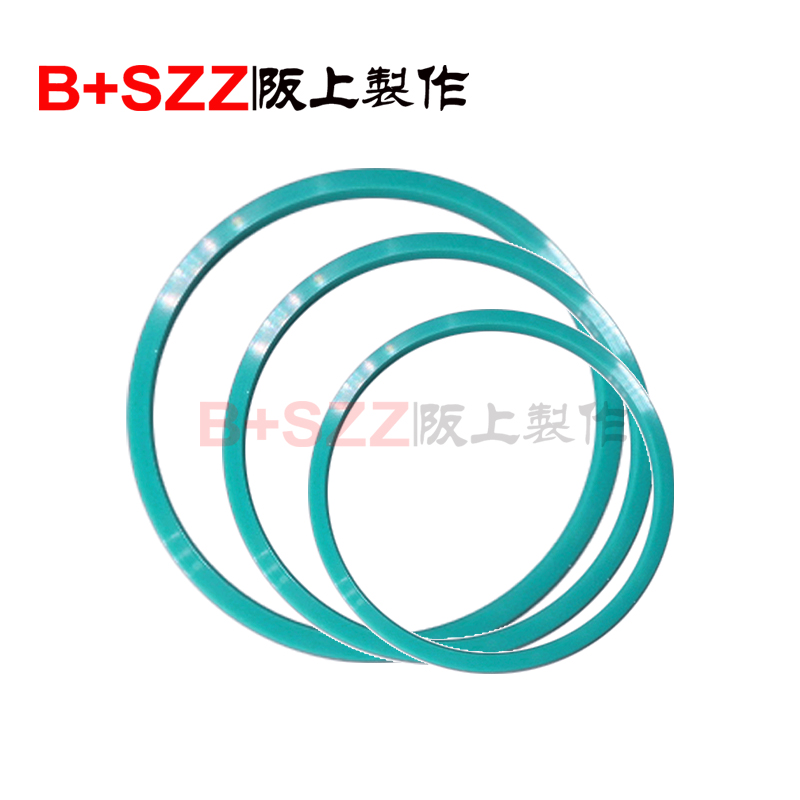
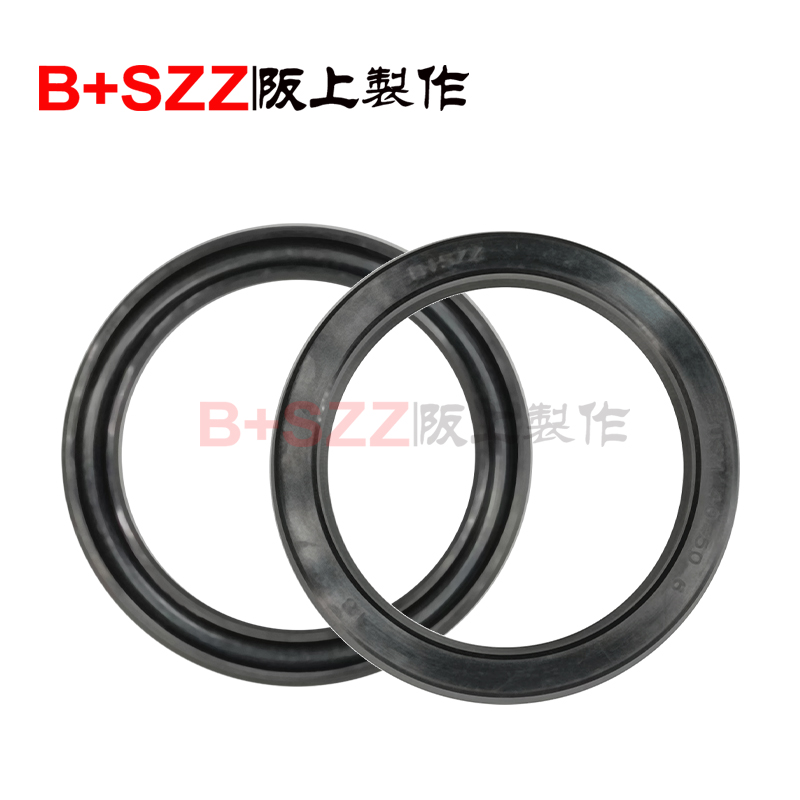
HBYR (Hybrid Bi-Directional Yoke-Integrated Rod) is a revolutionary dual-function rod sealing system that combines a bi-directional pressure seal with an integrated wear-compensation mechanism. Unlike conventional seals, the HBYR employs a dynamic yoke architecture that automatically adjusts to rod wear and system pressure variations.
The HBYR system represents a paradigm shift from passive sealing to active sealing management:
Dual-Acting Sealing Core: Features two independent sealing lips with asymmetric pressure-responsive geometry – one optimized for extension strokes, another for retraction strokes.
Integrated Adaptive Yoke: A floating metallic/composite carrier that redistributes contact pressure based on real-time operating conditions.
Smart Wear Compensation: Embedded elastomeric pressure chambers that expand or contract to maintain optimal sealing force as components wear.

The sealing lips utilize a progressive contact angle that increases from 15° at no pressure to 45° at maximum pressure, ensuring consistent sealing force regardless of pressure fluctuations.
Shape-memory alloy micro-elements integrated into the yoke structure compensate for thermal expansion/contraction, maintaining ideal interference across temperature ranges from -60°C to +200°C.
A multi-layer surface treatment on the sealing edge:
Base layer: Low-friction PTFE coating
Intermediate layer: Diamond-like carbon (DLC) for hardness
Surface layer: Self-replenishing polymer matrix

Working Range: 0.05 – 100 MPa (bidirectional)
Peak Pressure: 150 MPa (intermittent, < 1% duty cycle)
Pressure Cycling: Rated for 10 million full-pressure cycles
Temperature: -60°C to +200°C continuous operation
Chemical Resistance: Compatible with virtually all hydraulic fluids including:
Fire-resistant fluids (HFD-R, HFC, HFA-E)
Ester-based and biodegradable oils
Corrosive media (pH 2-12)
Contaminant Immunity: Operates effectively in ISO 23/21/19 cleanliness environments
Standard Service Life: 15,000-25,000 operating hours
Maximum Wear Compensation: Up to 2.0 mm radial wear
Maintenance Interval: 10,000 hours or 5 years (whichever comes first)
| Component | Material Composition | Key Properties |
|---|---|---|
| Primary Sealing Matrix | Nanocomposite polyurethane with 30% ceramic microspheres | 98 Shore D hardness, wear rate <0.05 mm³/Nm |
| Adaptive Yoke Structure | Titanium alloy (Ti-6Al-4V) with polymer coating | Zero creep at 200°C, 0.999 fatigue strength ratio |
| Wear Compensation Elements | Multi-durometer fluorosilicone with conductive filler | 400% elongation at break, maintains elasticity at -60°C |
| Surface Treatment | Gradient PTFE-DLC nanocomposite | Coefficient of friction: 0.02-0.08, hardness: 25 GPa |
Precision Tolerances: IT6 grade required for optimal performance
Surface Finish: Rod: Ra ≤ 0.05 μm, Gland: Ra ≤ 0.4 μm
Geometric Accuracy: Cylindricity ≤ 0.01 mm, Straightness ≤ 0.03 mm/m
Cryogenic Installation: Components chilled to -40°C for interference fit assembly
Pressure Pre-conditioning: Gradual pressure ramp-up over 24-hour period
Break-in Sequence: Specific speed-pressure profile for first 100 operating hours
Condition Monitoring Sensors: Optional integrated temperature and wear sensors
Smart Diagnostics: IoT-enabled variants available with predictive analytics
Factory Calibration: Each seal system laser-calibrated at manufacturing facility
Aerospace: Landing gear, flight control actuators (certified to AS13000)
Deep Sea: Submersibles, ROVs (rated to 11,000 meter depth)
Energy: Offshore drilling, fracking equipment, nuclear reactor controls
Metal Forming: 10,000+ ton presses with continuous operation
Injection Molding: Ultra-high precision machines with <5μm repeatability
Test Equipment: Fatigue testing machines, material testers
Hydraulic Turbines: Dam gate controls, hydroelectric systems
Bridge & Building Dampers: Seismic protection systems
Heavy Mining: Continuous miners, tunnel boring machines
| Metric | HBYR System | Conventional Systems | Improvement |
|---|---|---|---|
| Maintenance Interval | 10,000 hours | 2,000-4,000 hours | 300-400% |
| Downtime Reduction | 98.5% uptime | 92-95% uptime | 3-6% increase |
| Fluid Consumption | Near-zero leakage | 5-15% annual loss | 100% reduction |
| Energy Efficiency | 15% lower friction losses | Baseline | 15% improvement |
Zero-Emission Design: Eliminates hydraulic fluid contamination
Extended Fluid Life: 5-10x longer fluid change intervals
Recyclability: 95% material recovery rate at end of life
ISO 10766-1: Hydraulic fluid power – Cylinder seals
ASTM D6546: Standard test methods for hydraulic rod seals
NORSOK M-710: Qualification of non-metallic materials
DNVGL-RP-0323: Sealing systems for subsea applications
Pressure Cycling: 50 million cycles at 63 MPa (zero failure)
Temperature Extremes: 1,000 cycles -60°C to +200°C (no degradation)
Contaminant Testing: 5,000 hours with 25μm abrasive particles (wear <0.1mm)
Corrosion Resistance: 5,000-hour salt spray test (no corrosion)
Standard Series: HBYR-S (Standard duty, -40°C to +120°C)
High-Temperature Series: HBYR-HT (-60°C to +200°C)
Subsea Series: HBYR-SS (11,000m depth rating)
Smart Series: HBYR-IoT (Integrated condition monitoring)
When evaluating HBYR for your application, provide:
Complete pressure-time profile (including peaks and dwells)
Temperature range (including ambient extremes)
Fluid specifications (including all additives)
Contamination levels and filtration specifications
Lifetime expectations and maintenance constraints
Space constraints and interface requirements
Original source: Hydraulic seal https://www.bszzseal.com/