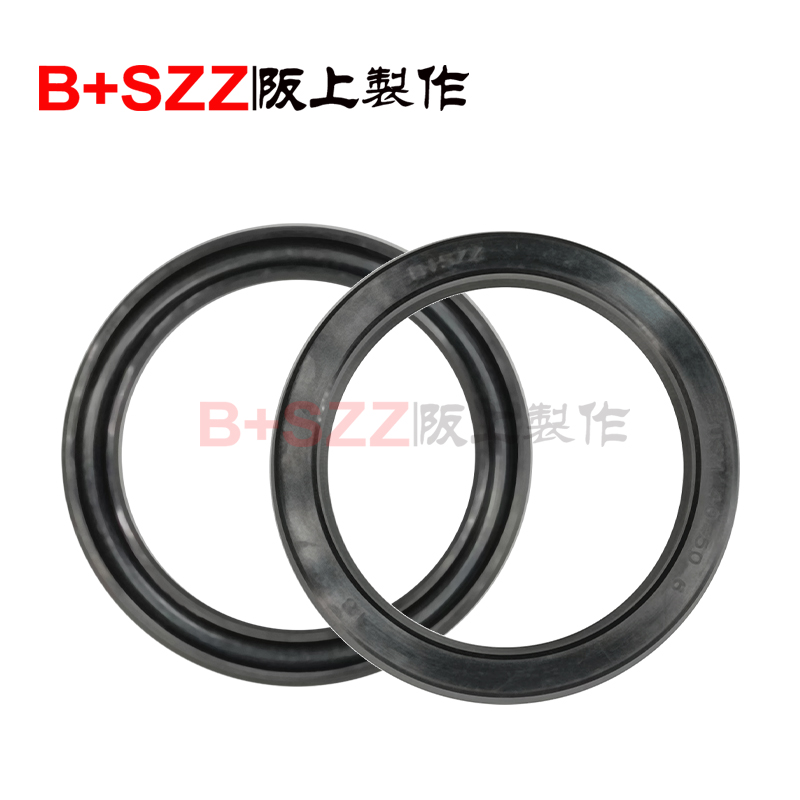
1. Overview
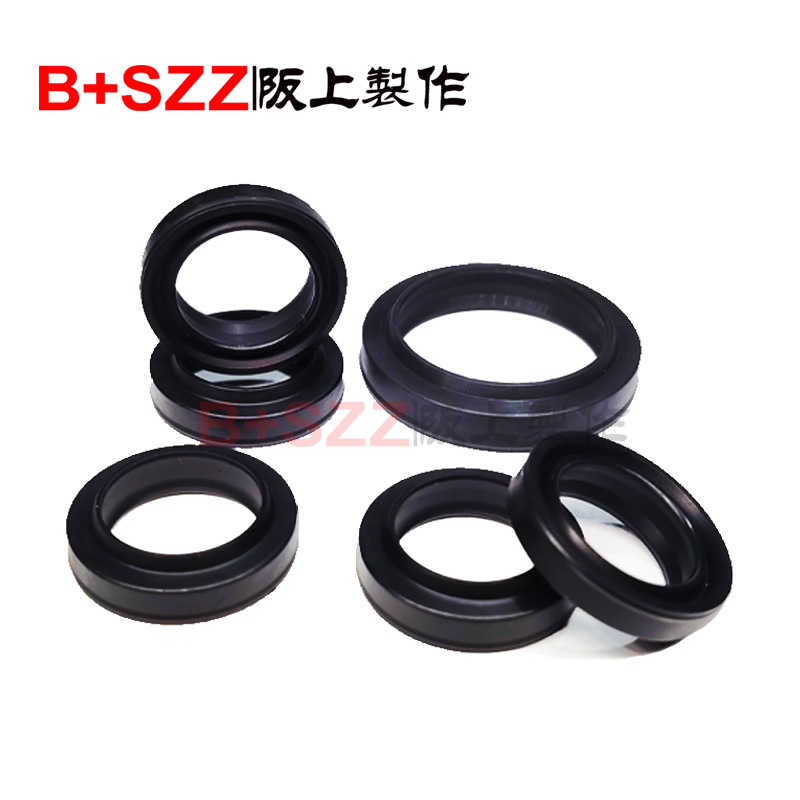
The MYA-type piston rod seal is a modern, high-performance, and compact sealing solution designed for hydraulic and pneumatic cylinders. Characterized by its two-piece “Master” design, it combines the functions of primary sealing, secondary wiping, and anti-extrusion into a single, integrated unit. The “MYA” designation is typically associated with manufacturer-specific series (e.g., Merkel’s MYA profile) and represents an advanced, space-saving, and highly reliable sealing system.
2. Primary Function & Design Philosophy
Its core purpose is to provide a leak-tight, durable, and low-friction seal for the dynamic piston rod. The design philosophy integrates multiple sealing and protective functions into a minimal axial space, utilizing optimized geometry and advanced materials to handle high pressure, speed, and varying temperatures while ensuring minimal stick-slip and excellent contaminant exclusion.
3. Key Design Features & Construction
-
Two-Component Integrated Seal System: The MYA seal is fundamentally a composite unit consisting of:
-
Primary Sealing Element: Made from a low-friction, pressure-resistant polymer such as PTFE-based compound (e.g., Turcon®, Zurcon®) or a specially formulated polyurethane (PU). This element creates the main dynamic seal against the rod.
-
Elastomeric Loading Element: Typically made from Nitrile Rubber (NBR) or Hydrogenated Nitrile Butadiene Rubber (HNBR). This O-ring or specially shaped elastomer sits behind the primary seal, providing constant radial pre-load, ensuring sealing at zero/low pressure, and activating the seal lips under pressure by transferring hydraulic force.
-
Asymmetric Double-Lip Design: The primary sealing element features two distinct lips:
-
Primary Sealing Lip (Pressure Side): Seals system pressure and controls a thin lubricating film.
-
Secondary Wiper Lip (Atmosphere Side): A static, sharp-edged lip that aggressively scrapes off contaminants (mud, dust, ice) from the rod as it retracts, preventing ingress.
-
Anti-Extrusion & Installation Support: The rigid primary element often incorporates geometric features (e.g., ribs, flanges) that act as an integral anti-extrusion device, preventing the soft elastomer from being forced into the rod clearance gap under high pressure. This design also provides excellent stability within the housing groove.
-
Compact Axial Design: Achieves multiple functions (seal, wipe, anti-extrusion) in a very short axial space, enabling more compact cylinder designs.
4. Working Principle
-
Pre-Load & Static Sealing: The elastomeric loading element exerts a constant radial force, pressing the primary sealing lips against the rod, ensuring immediate sealing even at zero pressure.
-
Dynamic Pressure Sealing: As system pressure increases, it acts on the elastomeric element. This element, in turn, transmits the pressure evenly to the back of the primary sealing lip, amplifying the sealing contact force proportionally to the system pressure. This ensures outstanding sealing performance across the entire pressure range.
-
Contaminant Exclusion: The secondary wiper lip acts as a rigid, static barrier. During rod retraction, its sharp edge effectively scrapes off any adhered contaminants, keeping the rod clean and protecting the primary seal.
-
Lubrication Control: The geometry of the primary lip is optimized to maintain an extremely thin, stable oil film on the rod during extension, which is retrieved upon retraction, resulting in virtually zero visible leakage (dry rod appearance) and very low friction.
5. Typical Applications
Designed for medium to high-pressure applications where reliability, compactness, and low friction are critical:
-
Mobile Hydraulics: Slewing, lifting, and steering cylinders in construction, agricultural, and material handling equipment.
-
Industrial Hydraulics: Machine tools, presses, injection molding machines.
-
General Hydraulic & Pneumatic Cylinders across various industries.
-
Applications requiring a “dry rod” condition and long maintenance intervals.
6. Advantages & Benefits
-
Exceptional Sealing Performance: Virtually leak-free operation across a wide pressure and temperature range.
-
Extremely Low Friction & No Stick-Slip: The combination of PTFE-based materials and optimized lip geometry minimizes friction, enabling smooth, precise movement even at low speeds.
-
Excellent Contaminant Exclusion: Integrated high-performance wiper lip protects the system.
-
High Pressure & Anti-Extrusion Capability: The integrated design effectively handles high pressures without the need for separate anti-extrusion rings.
-
Compactness: Saves valuable axial space in the cylinder design.
-
Long Service Life: High wear resistance and stable material properties.
-
Easy Installation: Supplied as a single, pre-assembled cartridge unit, simplifying assembly and reducing error.
7. Installation & Design Notes
-
Installs into a standard rectangular gland groove (ISO 5597/Type A series or similar).
-
The primary sealing lip (typically identifiable by a more rounded profile) must face the pressurized side of the cylinder.
-
The secondary wiper lip (sharp, scraping edge) must face the atmosphere.
-
Critical rod surface finish (typically Ra ≤ 0.2 µm) and hardness (hard chrome plating recommended) are essential for optimal performance and longevity.
-
Proper groove machining with controlled edge radii is crucial.
8. Comparison with Common Alternatives
-
vs. Traditional U-Seals (e.g., EU): MYA offers significantly lower friction, better extrusion resistance at high pressure, and a more compact design due to its two-component, pressure-amplifying principle.
-
vs. Single-Component Rod Seals: The two-component design of MYA provides superior performance stability, especially under varying pressures and temperatures.
-
vs. Complex Multi-Part Seal Kits: MYA achieves comparable or superior performance with a single, easy-to-install part, reducing complexity and assembly time.
Conclusion
The MYA-Type Piston Rod Seal represents a sophisticated, modern sealing solution that masterfully combines advanced materials, intelligent geometry, and functional integration. It is the preferred choice for engineers seeking high reliability, minimal leakage, low friction, and compact design in demanding hydraulic and pneumatic rod sealing applications. Its “Master” profile design sets a high standard for performance in a space-efficient package.
Original text from: pneumatic seal https://www.bszzseal.com/