1. Overview
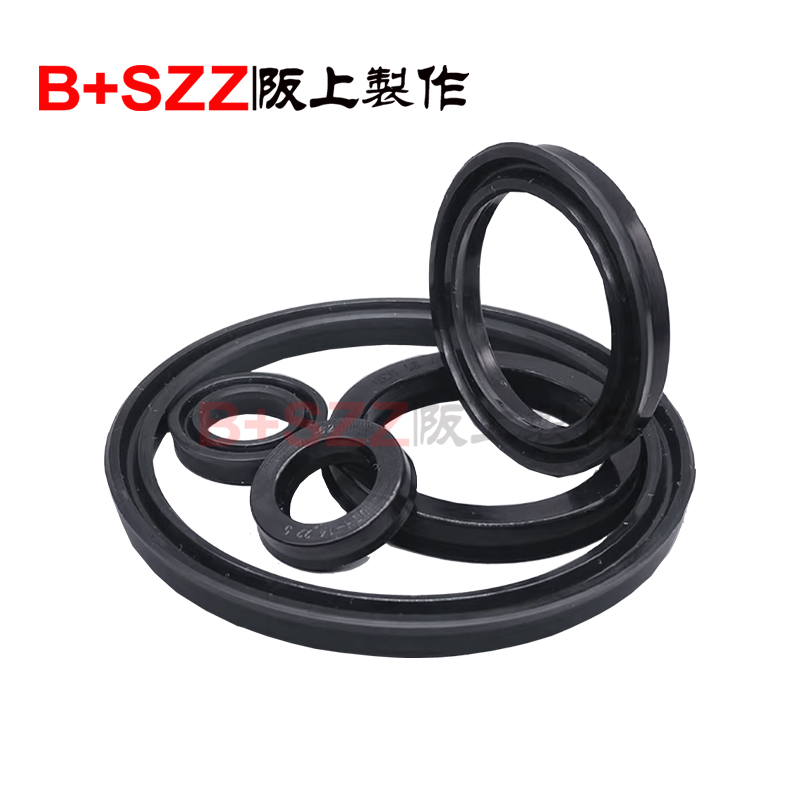
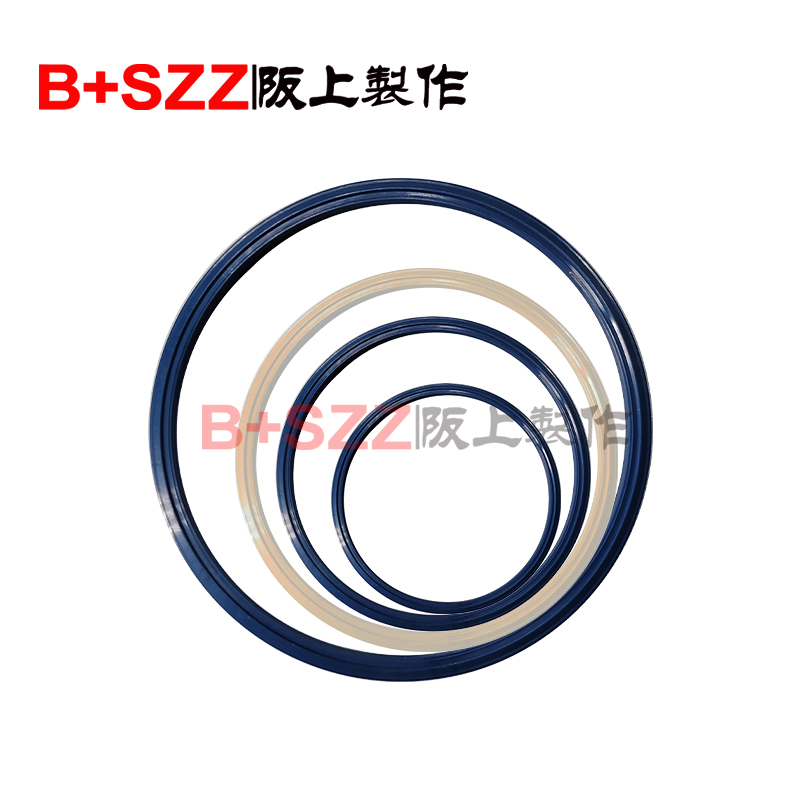
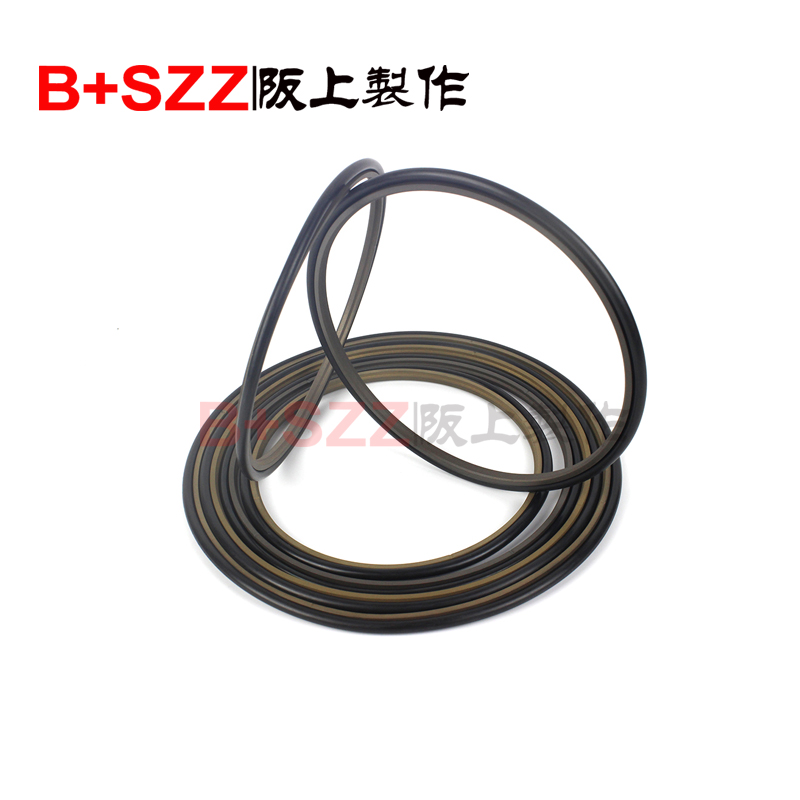
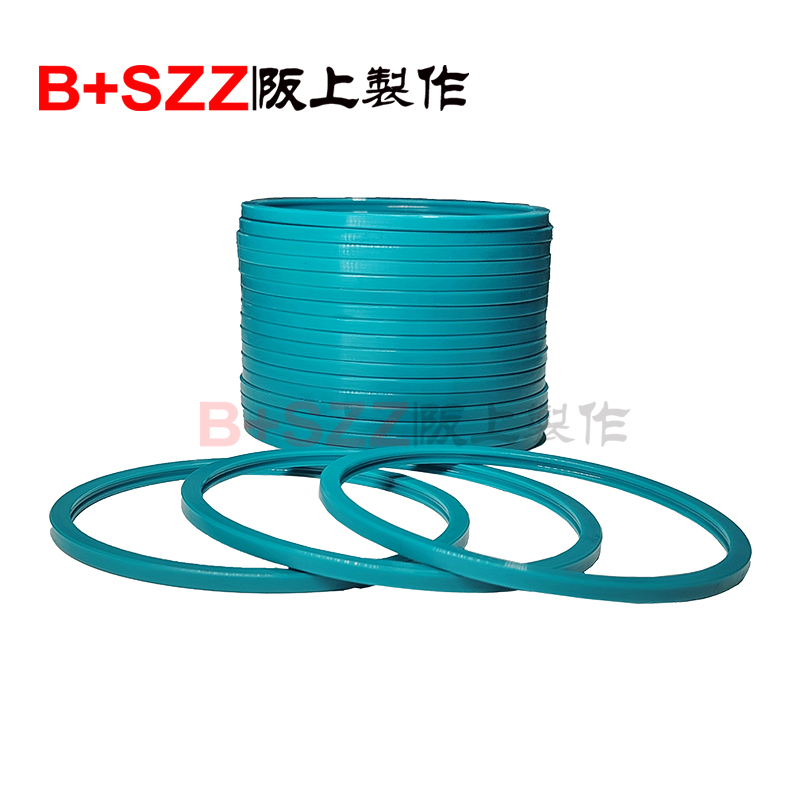
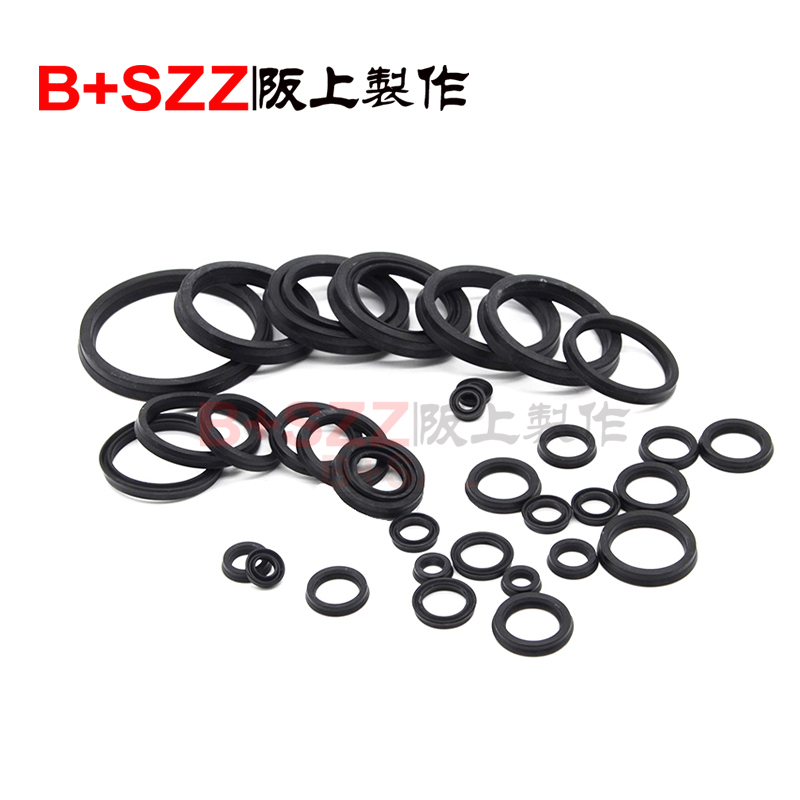
The EU-type piston rod seal is a specialized, robust sealing solution designed for demanding hydraulic and pneumatic piston rod applications. Characterized by its distinct asymmetric double-lip design, it effectively combats external contaminants while retaining internal fluid. As an “Original” design (often signified by the “U” in its nomenclature across various manufacturer catalogs), it sets a benchmark for rod seal performance in challenging conditions.
2. Primary Function & Design Philosophy
Its core function is double-acting dynamic sealing: preventing fluid leakage from the cylinder to the environment (pressure sealing) and blocking ingress of dirt, moisture, and other contaminants (anti-extrusion and dust exclusion). The design philosophy centers on creating a stable, pressure-activated seal that maintains performance under high pressure, extreme temperatures, and with lateral rod forces.
3. Key Design Features & Construction
Asymmetric Seal Profile: The most defining feature. The pressure side (inner lip, facing the cylinder fluid) has a shallow angle for optimal pressure activation and lubrication film retention. The atmospheric side (outer lip) has a steeper, sharper angle to aggressively scrape off contaminants.
Dual-Lip Integrated Structure: Both sealing lips are part of a single, homogenous sealing element, typically made from polyurethane (PU, e.g., AU, EU materials) or other high-performance compounds like PTFE composites. This ensures structural integrity.
Pre-Loaded Sealing Lips: The lips are radially pre-stressed against the rod, ensuring immediate static sealing and low-pressure sealing capability.
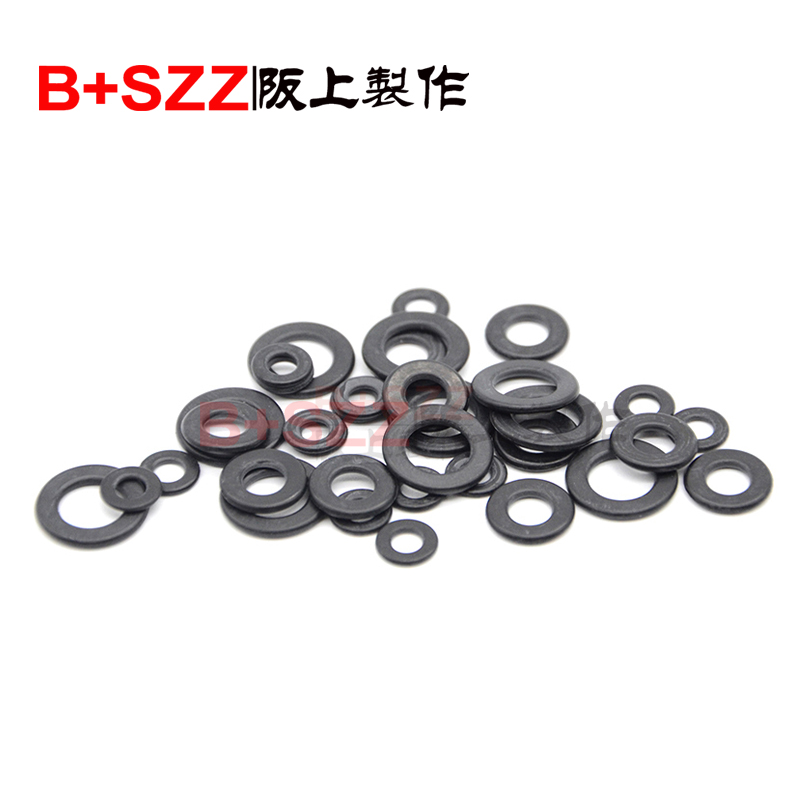
Reinforcing Element: Many EU seals incorporate an integral metal or rigid plastic reinforcement ring (often embedded during molding) to prevent seal gap extrusion under high pressure (>10 MPa or as required) and to provide excellent installation stability in the housing groove.
Material: Typically made from high-grade, wear-resistant, and hydrolysis-resistant polyurethane. Common material codes include 95 AU, 98 AU, or Urethane (PU). PTFE-based variants exist for ultra-low friction and high-temperature applications.
4. Working Principle
Under Pressure: System pressure acts on the root of the pressure-side lip, forcing it firmly against the rod surface. The sealing contact pressure increases proportionally with system pressure, creating a highly effective dynamic seal.
Contaminant Exclusion: The sharp-angled outer lip acts as a rigid, static barrier, scraping off mud, dust, and moisture from the rod as it retracts. An optional integrated or separate wiper (scraper) can be used in front of the EU seal for extremely dirty environments.
Lubrication & Film Control: The design aims to maintain a micro-thin lubricating film on the rod during outward stroke, which is mostly retrieved on the return stroke, minimizing leakage and friction (stick-slip).
5. Typical Applications
Ideal for heavy-duty applications with long strokes,恶劣 environments, and potential rod deflection:
Mobile Hydraulics: Excavator, bulldozer, and crane cylinders.
Industrial Hydraulics: Presses, plastic injection molding machines, steel mill equipment.
Pneumatics: High-pressure, large-bore pneumatic cylinders in demanding conditions.
Agricultural & Forestry Machinery.
Marine and Offshore Hydraulic Systems.
6. Advantages & Benefits
Excellent Pressure Handling: Performs reliably at very high and fluctuating pressures.
Superior Contaminant Exclusion: The integrated scraper lip provides outstanding rod cleaning.
Long Service Life: High wear resistance and robust construction.
Accommodates Rod Deflection: The asymmetric design and material elasticity tolerate some degree of rod misalignment or bending.
Low Friction (for its pressure class): Optimized lip design reduces stick-slip tendency.
Easy Installation: As a single-unit seal, it simplifies assembly compared to multi-component seal sets.
7. Installation & Design Notes
Requires a precision-machined rectangular gland groove with strict tolerances on depth and sharp-free edges.
The housing bore chamfer must be adequate to guide the seal without damaging it during installation.
The rod surface must have a fine finish (typically Ra 0.1 – 0.4 µm) and be hard chrome-plated for optimal performance and durability.
Always installed with the pressure side (shallow lip) facing the pressurized fluid and the scraper lip (sharp angle) facing the atmosphere.
8. Comparison with Common Alternatives
vs. Single-Lip U-Seals: EU offers integrated double-action (seal & scrape) in one part; single-lip U-rings often require a separate wiper.
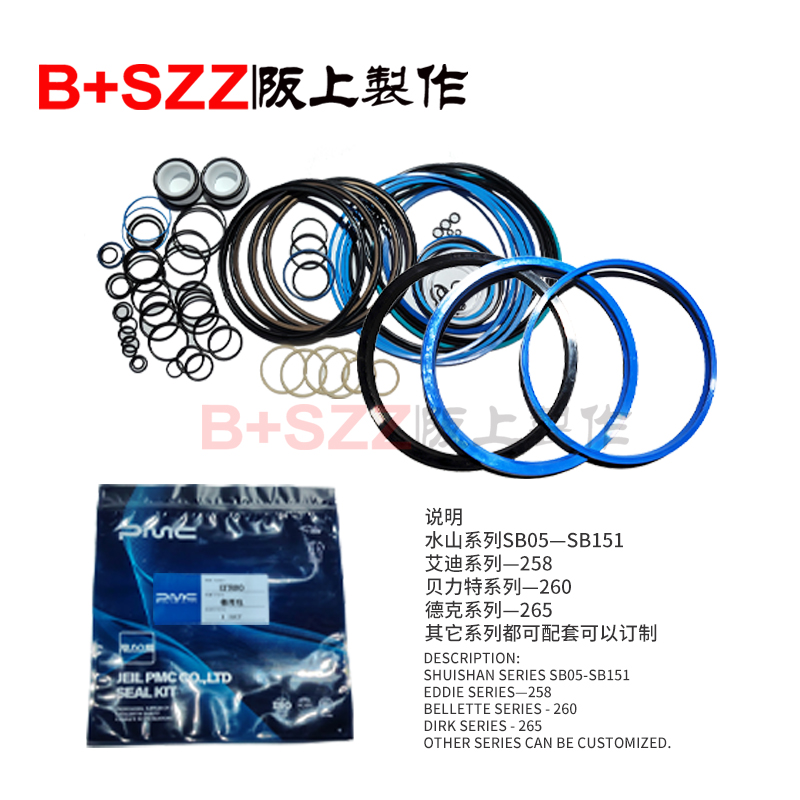
vs. Rod Seal Kits (e.g., Buffer + Seal + Wiper): EU is a compact, integrated solution, while kits offer customizable performance but with more components and complexity.
vs. Symmetric Seals: EU’s asymmetric design provides direction-specific optimization, outperforming symmetric seals in pressure sealing and contaminant exclusion.
In summary, the EU-Type Piston Rod Seal is an original, heavy-duty, and highly effective sealing solution, renowned for its integrated dual-functionality, robustness, and reliability in the most demanding piston rod applications. Its design represents a classic yet continually refined standard in fluid power sealing technology.
Original source: Hydraulic seal https://www.bszzseal.com/