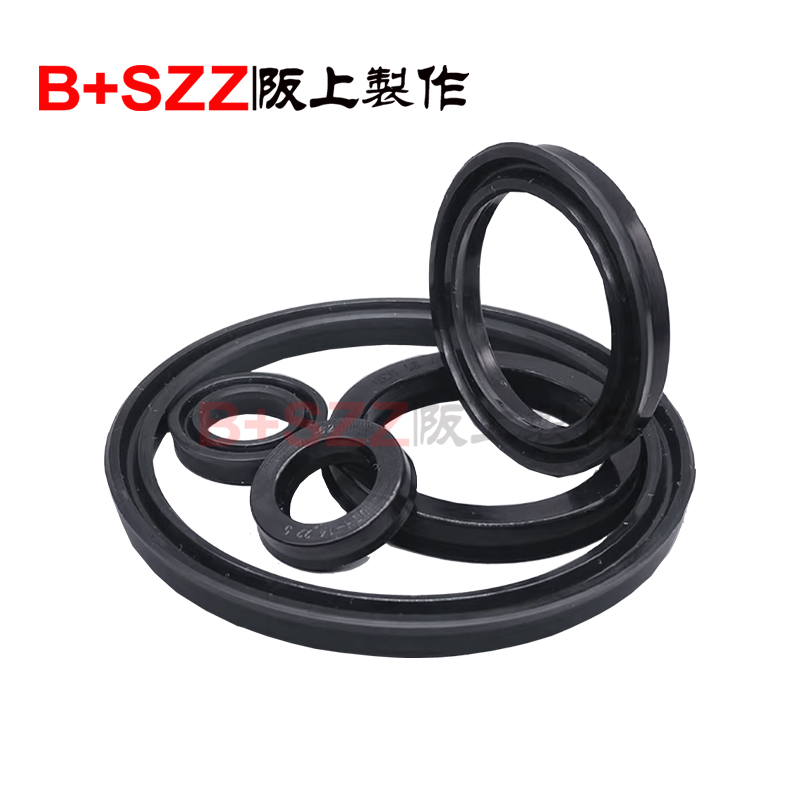
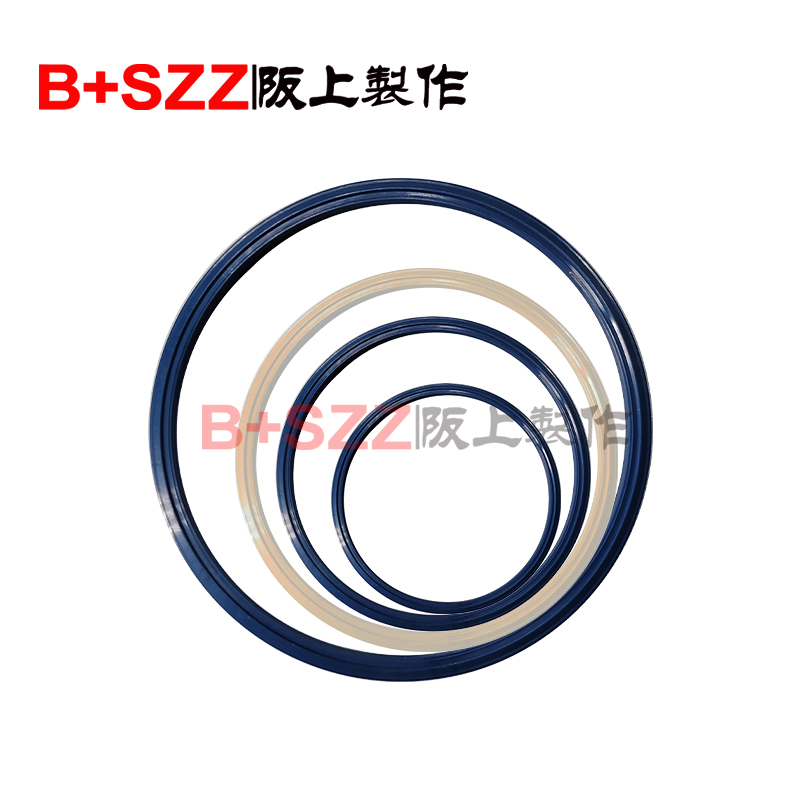
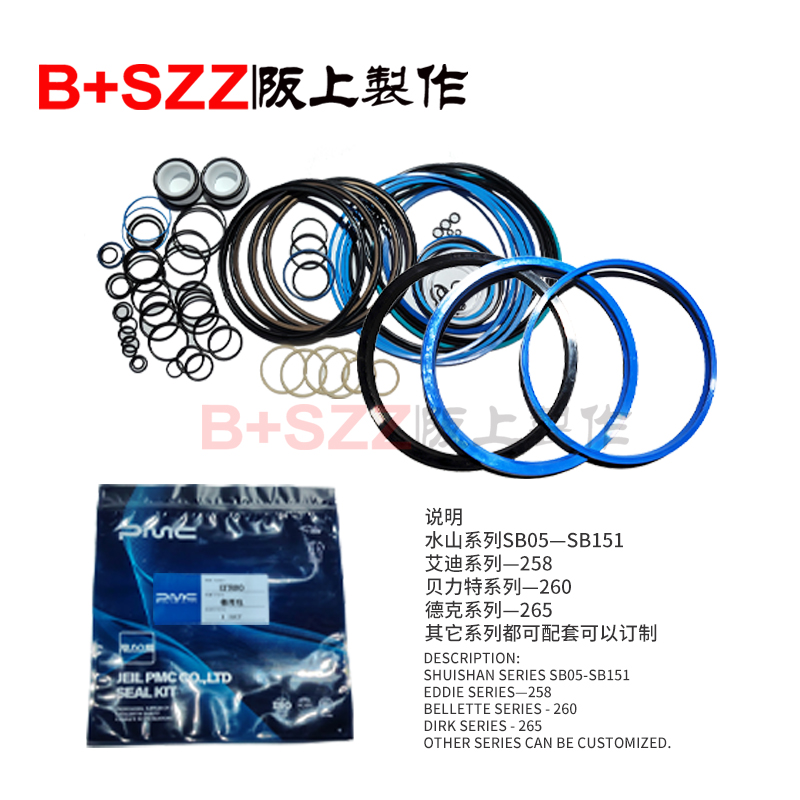
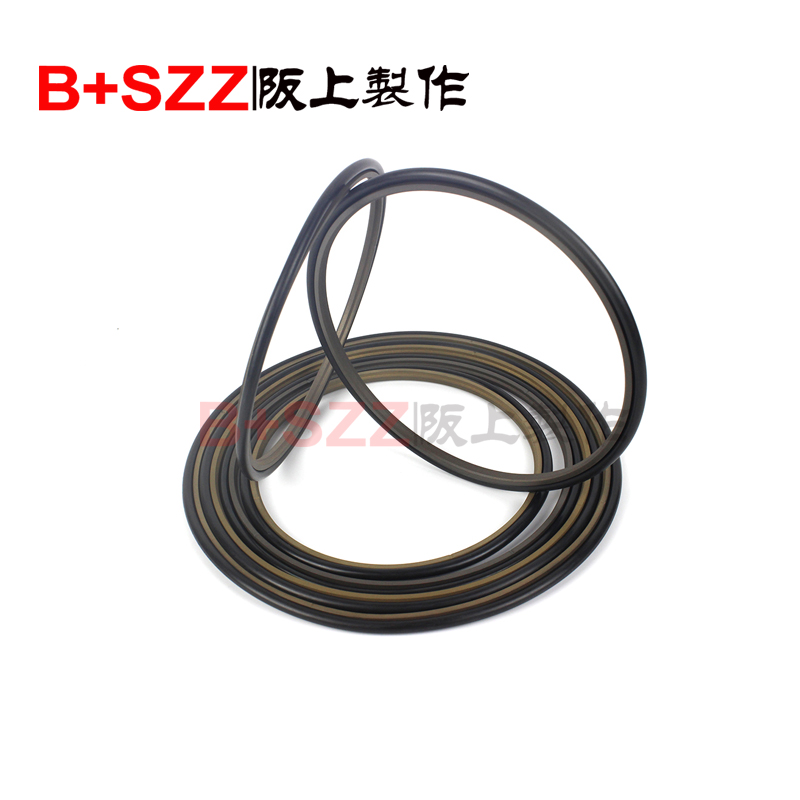
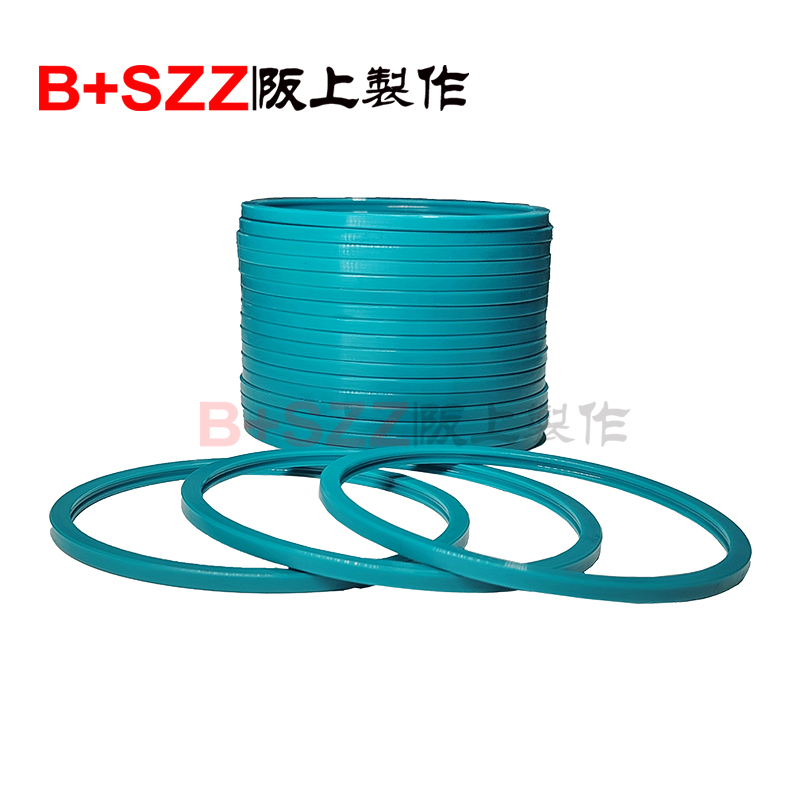
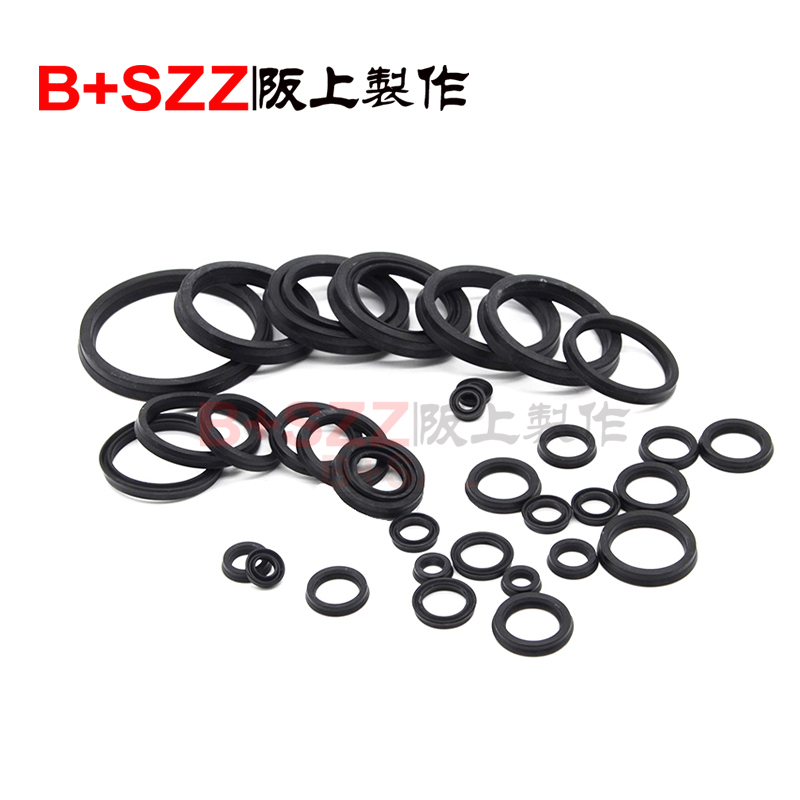
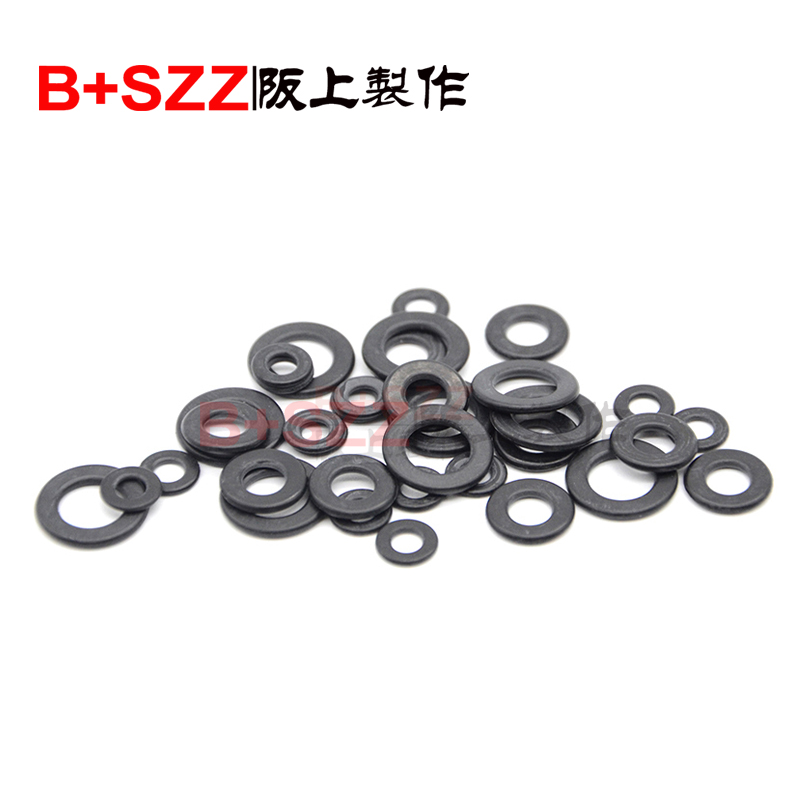
In the operation and maintenance of engineering equipment, the choice of seals directly determines the stability and service life of the equipment. Especially in high-load conditions such as mining machinery, chemical pumps, construction equipment, etc., the failure of seals often means downtime, maintenance and even production interruption. Therefore, how to choose the right seal for engineering equipment? Here are the ideas sorted out for dealers and equipment friends to refer to.
I. First figure out the working environment of the equipment
Unlike ordinary machinery, the working environment of engineering equipment is very different. Some work in mines, some in mixing stations, some in high-temperature workshops, and some in sub-zero environments in winter. Seals can’t be done by “model matching”. The key is to see the environment of the equipment first.
1. Outdoor dusty equipment
For this kind of machine, the shaft oil seal is generally not recommended to use a single lip, and the double lip structure is more stable against external pollution. In particular, the design of TC with dustproof lips is widely used in engineering equipment, because it can take into account the rotation speed, oil film and dust.
2. Systems with large temperature fluctuations
Asphalt mixing stations and some hydraulic systems are at a fast temperature in summer. At this time, the nitrile rubber (NBR) seal is not necessarily stable. Either use heat-resistant hydrogenated nitrile rubber (HNBR) or consider fluororubber (FKM). It doesn’t look at the name of the material, but whether there are additives in the oil and whether the system temperature rises suddenly.
3. The wear of the shaft
There are common slight grooves on the axial surface at the site. Theoretically, they should be repaired, but many maintenance teams will not do this step. In this case, the oil seal of the outsourced rubber shell is more adaptable, elastic, and can accept slight deviation.
II. The material is not “the more advanced the better”, but “sufficient and stable”
One of the questions asked by many customers is: “Does this position have to be made of fluororubber?”
The answer should not be perfunctory in one sentence, but should be judged according to the working situation.
Some equipment with low oil temperature but long working time, such applications are more important to anti-aging and compression deformation; some equipment have high temperature but clean oil, but have stronger requirements for material oil resistance.
In reality, 70% of the material selection deviations occur due to the lack of understanding of the oil itself – viscosity, cleanliness, and whether it contains ester additives, which will affect the performance of the material.
Although the seal of the polytetrafluoroethylene (PTFE) series is temperature-resistant and medium-resistant, it has high requirements for the assembly shaft surface, and it is easy to leak if there is a slight deviation. Therefore, don’t choose blindly because of “bright parameters”.
III. Installation conditions are also a key link.
Many seals that seem to be fine in the design stage become difficult to serve when they are actually assembled. The reason may be:
The shaft hole should not be polished too finely, and can only be roughed;
The assembly position has poor light, and the operation depends on experience;
Team maintenance in the field often does not have strict centering conditions;
In this scenario, structural stability is more important than theoretical parameters. For example, the oil seal positioning of the metal skeleton shell is accurate, but the requirements for installation accuracy are high; the rubber shell version is more “tolerant” and can adapt to slightly deviated aperture.
IV. The seal should match the working rhythm of the equipment.
Some equipment is intermittently heavy and has a large impact; some are in long-term stable operation, such as wind power gearboxes and some continuous conveyor lines. The two types of equipment use the same specification of oil seal, and the lip angle, spring force and wear-resistant formula may be different.
V. Support method from the industry brand B+SZZ
B+SZZ has been operating the physical factory, which is crucial for dealers and enterprises that do after-sales service of engineering equipment. A large number of conventional O-rings and oil seals have been prepared in stock, and many urgent orders can be shipped on the same day, which is especially suitable for customers such as mines, steel mills and construction units that are not allowed to stop for too long.
If the customer’s working conditions are special, or the original model of the equipment has been used for many years, B+SZZ will be customized step by step from material to structure. With more than 30 years of experience, the engineering team often helps users solve the problem of short sealing life, and the maintenance cycle of the equipment is also lengthened. At present, the products are sold to more than 80 countries around the world. In China, they are provincial technology innovation centers and high-tech enterprises. They are also key enterprises in local characteristic industry clusters.
VI. Some frequently asked questions for dealers and wholesalers
Q: What do customers care about?
Answer: Most customers pay attention to the durability and suitability of seals, and dealers need to provide options for different materials and specifications.
Q: How to reduce the inventory risk?
Answer: Wholesalers usually choose general specifications of seals as permanent inventory, while maintaining flexible supply channels with manufacturers.
Q: How to improve the competitiveness of after-sales service?
Answer: Providing installation guidance, regular inspection suggestions, and quick-response replacement plans can enhance customer stickiness.
The choice of engineering equipment seals seems to be “choose a suitable type and material”. In fact, behind it is a comprehensive judgment of the equipment’s working mode, installation conditions, oil characteristics and maintenance capacity. The reliability of engineering equipment often depends on many details. If these details can be handled in place in the selection stage, the stability of the equipment will naturally be improved.
When doing this kind of work, suppliers with mature inventory, who can do customization and are willing to assist in optimizing the system will make the process much smoother. B+SZZ has invested in these aspects for many years. Whether it is standard or non-standard, it can provide the support that the industry really needs.
Original source: Hydraulic seal https://www.bszzseal.com/