Pneumatic EU Sealing Ring: Technical Overview
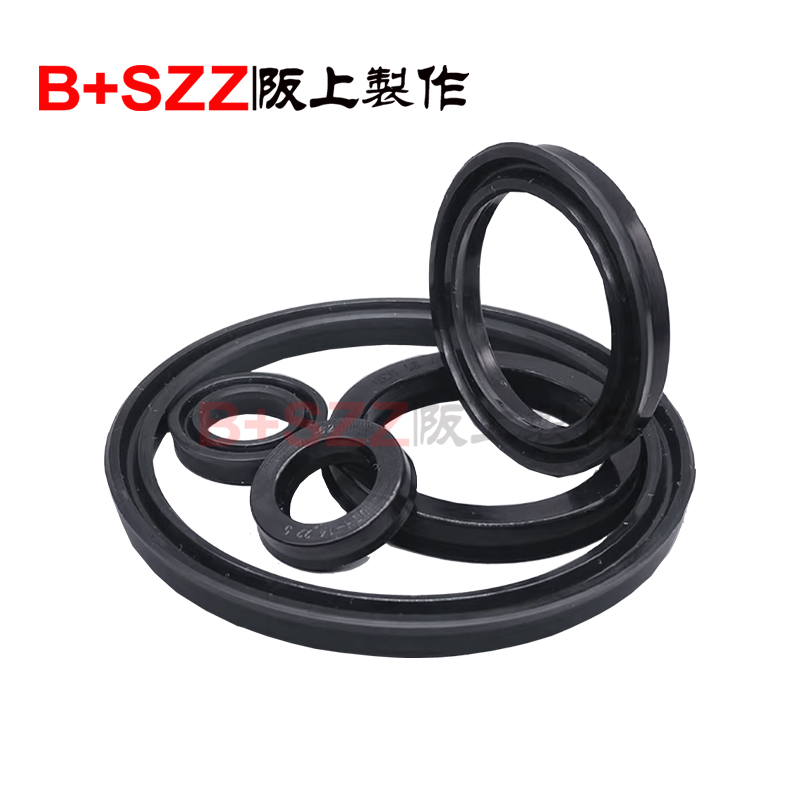
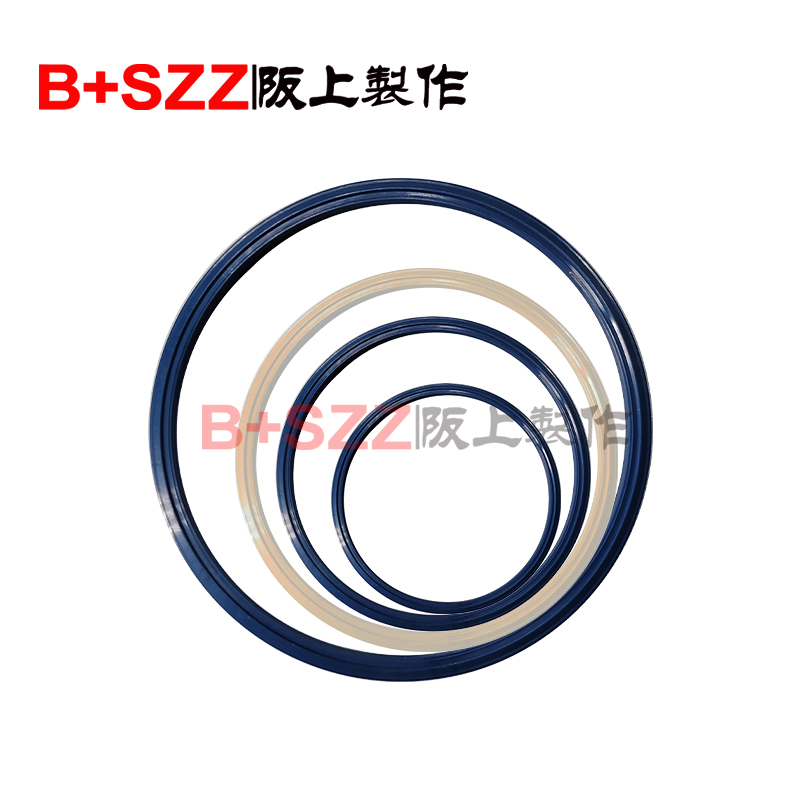
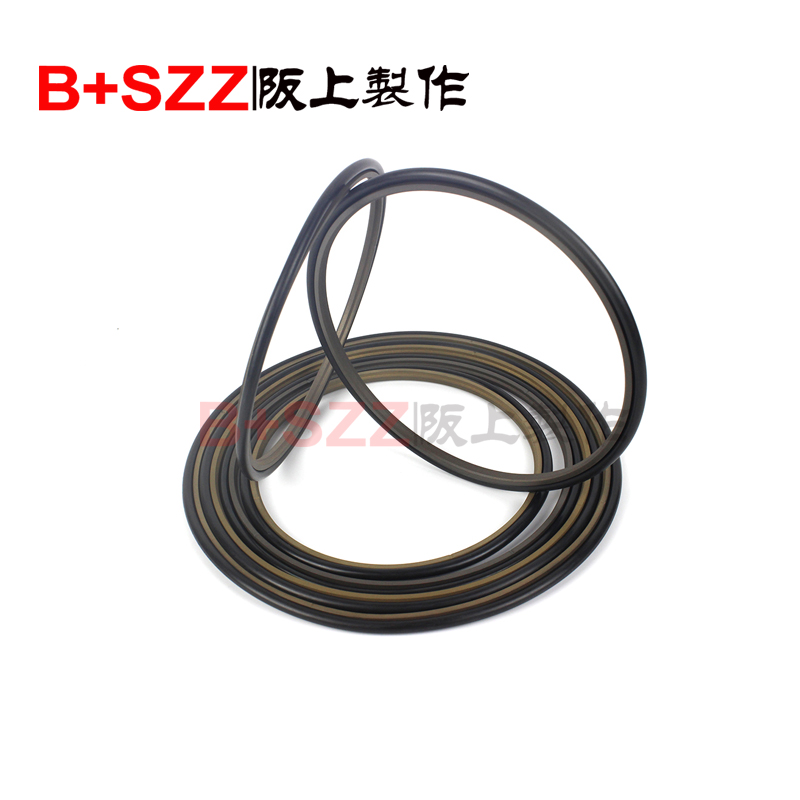
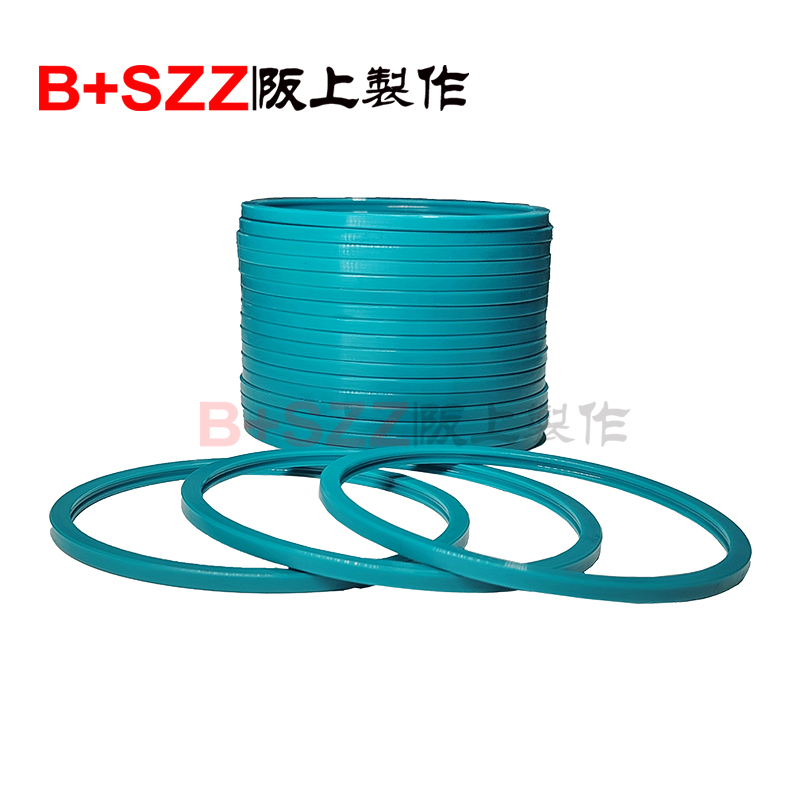
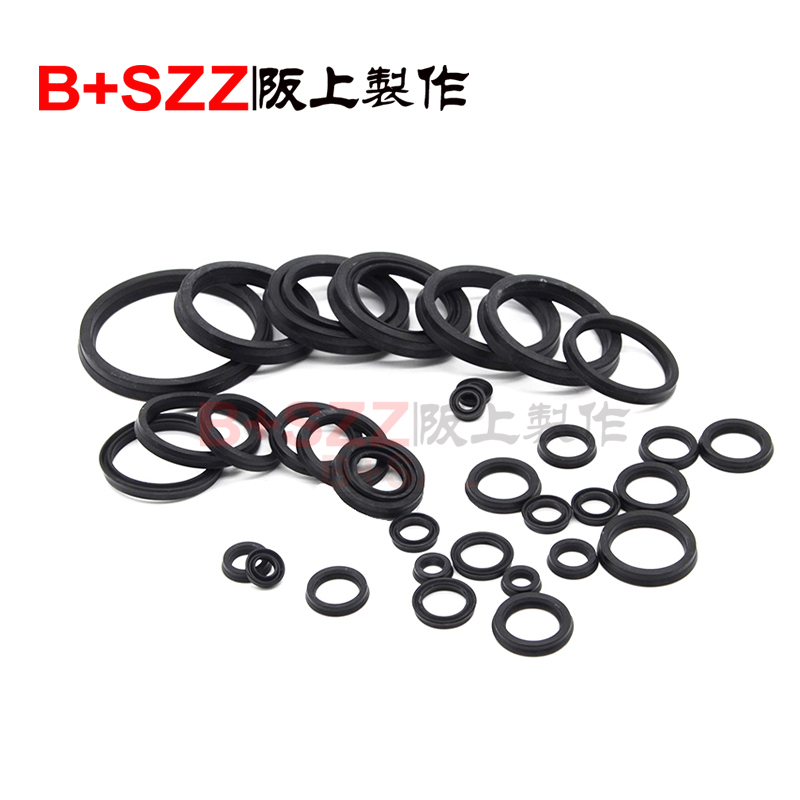
Pneumatic EU Sealing Ring refers to a specialized rod seal configuration designed for European-standard pneumatic cylinders and actuators. The “EU” designation typically indicates compliance with European engineering standards (ISO 6431/6432, VDMA 24562) and specific dimensional profiles optimized for European cylinder designs.

Standard Compliance: Engineered to match the precise groove dimensions of European-style pneumatic cylinders (common in Festo, Bosch Rexroth, SMC Europe series, etc.).
Compact Integrated Design: Unlike traditional multi-component seals, the EU design often incorporates sealing, wiping, and sometimes even retention functions into a single, space-efficient element.
Material Focus: Predominantly uses advanced polyurethane (AU/ EU material grades) or compound materials optimized for the dry, fast-cycling, and lubricated-air environments typical in European automation.
Function Integration: May combine:
A primary sealing lip (for air retention).
An integrated scraper lip or wiper (for contaminant exclusion).
A static sealing zone (to seal against the cylinder housing).
An “EU” ring is often a uni-directional, single-acting seal with a distinct asymmetric profile. Common constructions include:
Homogeneous Polyurethane: A single-piece seal machined or molded from a specific PU grade for balanced performance.
Multi-Material/Co-Molded: A two-component design featuring a hard thermoplastic carrier for stability and a softer, elastic sealing lip material (e.g., TPE) for superior sealing contact.
Spring-Energized Variants: For critical low-pressure sealing, some EU profiles may include a micro-garter spring embedded near the sealing lip.
Space Savings: Enables more compact cylinder designs by reducing the number of groove compartments needed.
Simplified Installation: One-piece design reduces assembly errors compared to installing separate seals, wipers, and backup rings.
Optimized Friction: Materials and lip geometry are tuned for the lower viscosity of air, minimizing stick-slip and ensuring smooth, consistent movement.
High Reliability: Designed for the long maintenance intervals and high cycle counts demanded in European industrial automation.
The “EU” profile is part of a broader family of standardized pneumatic seals. It is functionally analogous to, but dimensionally distinct from, other regional profiles like:
Japanese “KI” or “G” Series (common in SMC, CKD cylinders)
American “ASI” Profile (common in many ISO-interchangeable US cylinders)
Generic “U-Cup” Seals: The EU profile is a more specialized, performance-optimized evolution of the basic U-cup.

Priority: Use Original Part Codes. Always refer to the cylinder manufacturer’s part number first (e.g., Festo, Bosch).
Critical Dimensions: If cross-referencing, precisely measure:
Piston Rod Diameter
Seal Groove Width and Depth
Overall Seal Cross-Section (detailed drawing recommended)
Application Notes: Specify operating pressure, speed, temperature, and media (e.g., lubricated or dry air).
Supplier Consultation: Provide all available data to a technical seal supplier. Major manufacturers like Trelleborg (Merkel), Simrit (Freudenberg), and Parker produce EU-compliant profiles under their own nomenclature.
Summary: The Pneumatic EU Sealing Ring is a standardized, integrated seal solution representing European engineering priorities: precision, compactness, and reliability in pneumatic motion systems. Its design is a response to the specific dimensional and performance requirements of the European pneumatic component market.
Original text from: pneumatic seal https://www.bszzseal.com/