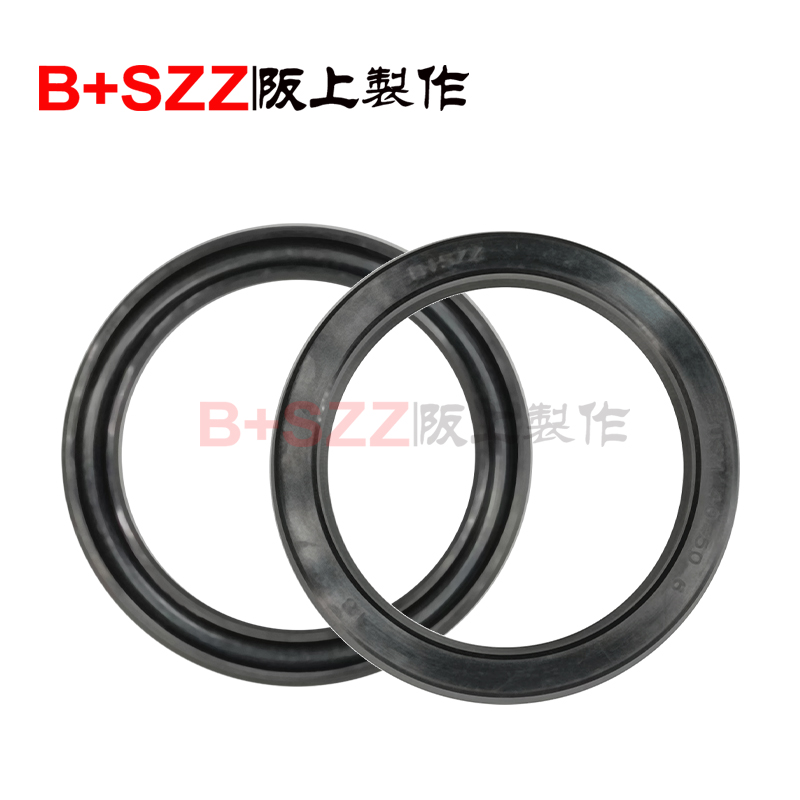
Overview
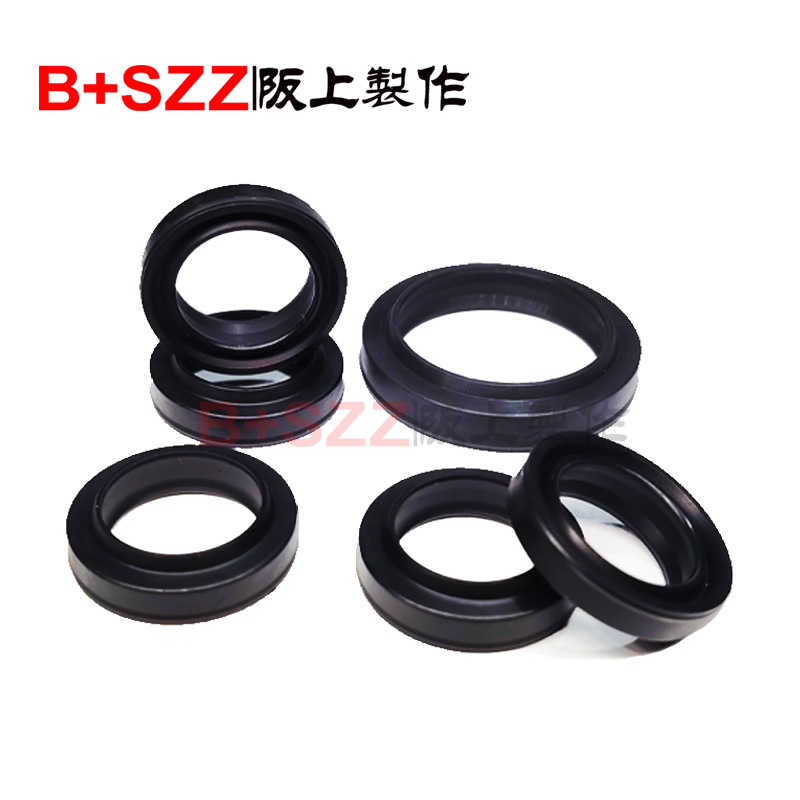
Pneumatic rubber seals are critical components in pneumatic systems that use compressed air or inert gases as working media. Unlike hydraulic seals, they operate in low-pressure, dry, and high-speed environments where lubrication is often minimal. Their primary functions are maintaining air pressure, preventing leakage, and excluding contaminants in cylinders, valves, and pneumatic tools.
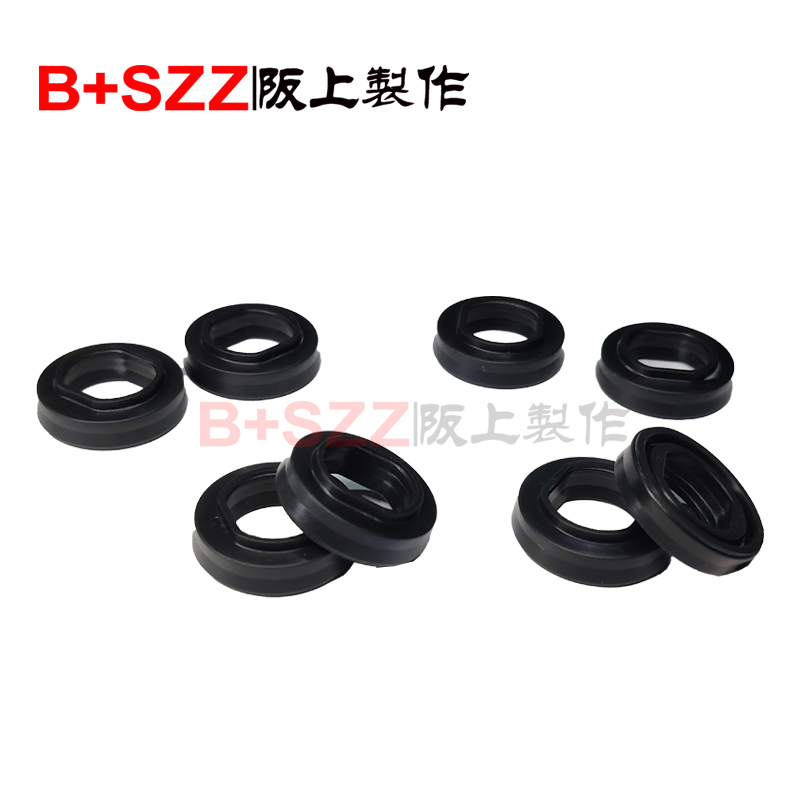
1. Main Types and Applications
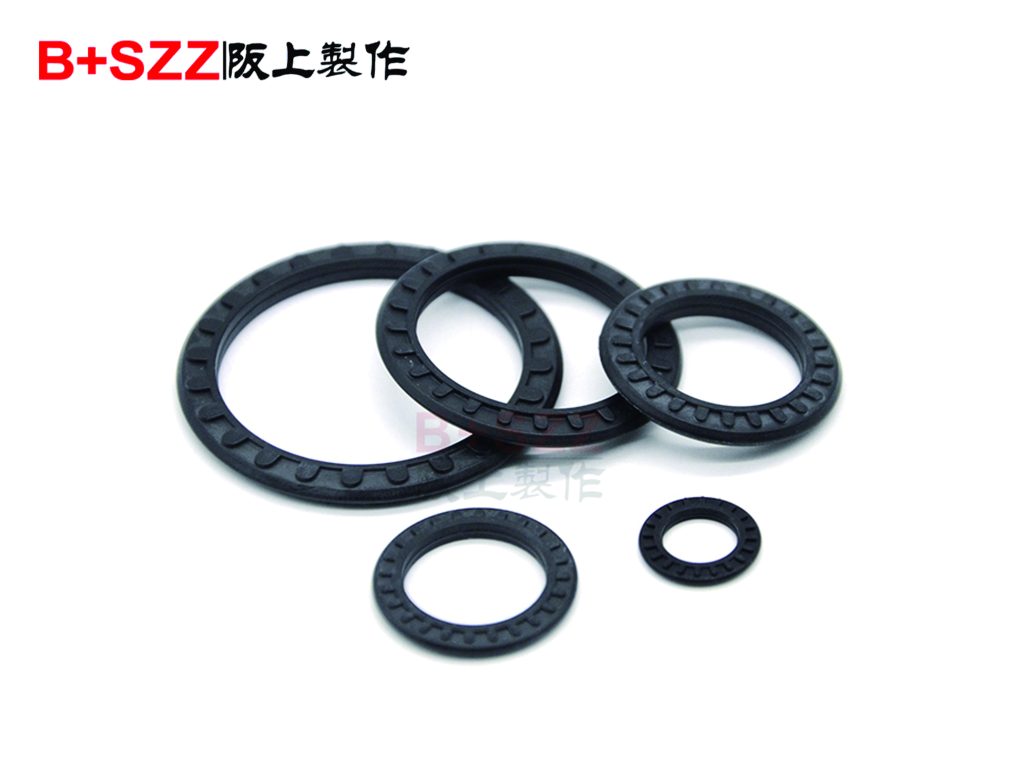 2. Common Rubber Materials
Material selection focuses on low friction, wear resistance, and compatibility with dry/lubricated air.
Critical Difference from Hydraulics: Pneumatic seals often prioritize low-friction materials like PU and PTFE composites due to minimal lubrication, whereas hydraulics prioritize fluid compatibility under high pressure.

-
Lack of Lubrication:
-
Issue: Compressed air provides little to no natural lubrication, leading to dry-running conditions.
-
Solution: Use self-lubricating materials (e.g., PU, PTFE-blended compounds) or design seals with low friction profiles. External lubricators may be used.
-
High-Speed Operation:
-
Issue: Pneumatic cylinders often operate at higher speeds than hydraulic ones, generating heat and rapid wear.
-
Solution: Lightweight, low-inertia seal designs; materials with good thermal dissipation.
-
Moisture & Condensation:
-
Issue: Compressed air often contains moisture, which can wash away lubricants and cause seal swelling or corrosion.
-
Solution: Use hydrolysis-resistant materials (e.g., specific PU grades, EPDM); proper air drying/filtration.
-
Contamination:
-
Explosive Decompression:
-
Issue: Rapid pressure release can cause absorbed gases to expand within the seal, creating bubbles/blisters.
-
Solution: Use materials with low gas permeability and proper hardness; control decompression rates.
4. Design & Selection Considerations
-
Friction vs. Sealability:
-
Seal Profiles:
-
Clearance & Extrusion:
-
Temperature Management:
-
Lubrication Compatibility:
5. Common Failure Modes
6. Best Practices
-
Clean, Dry Air:
-
Proper Installation:
-
Material Selection:
-
For general purpose: NBR (if lubricated) or PU (if dry/moderate conditions).
-
For high temperature/chemicals: FKM.
-
For wide temperature/food grade: Silicone.
-
Regular Maintenance:
-
System Design:
Summary
Pneumatic rubber seals operate in a uniquely demanding low-lubrication, high-cycle environment. Success depends on selecting low-friction, wear-resistant materials (especially PU) and designing for contamination exclusion. Unlike hydraulic systems, the primary challenges are dry running wear and air quality management. Proper selection, installation, and maintenance of pneumatic seals are essential for achieving long service life, energy efficiency, and reliable operation in automation and machinery applications.
Original text from: pneumatic seal https://www.bszzseal.com/