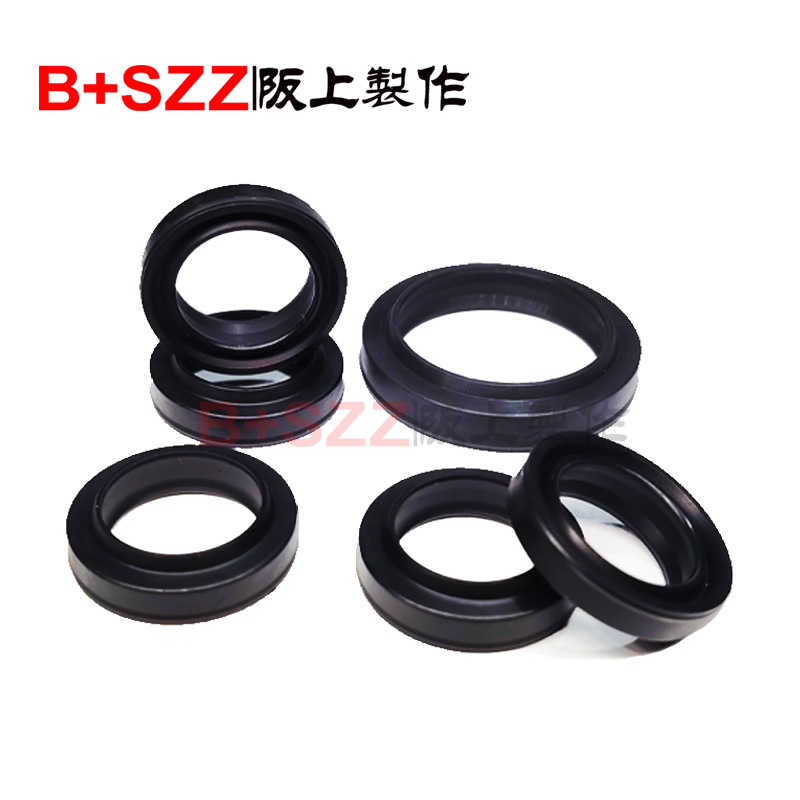
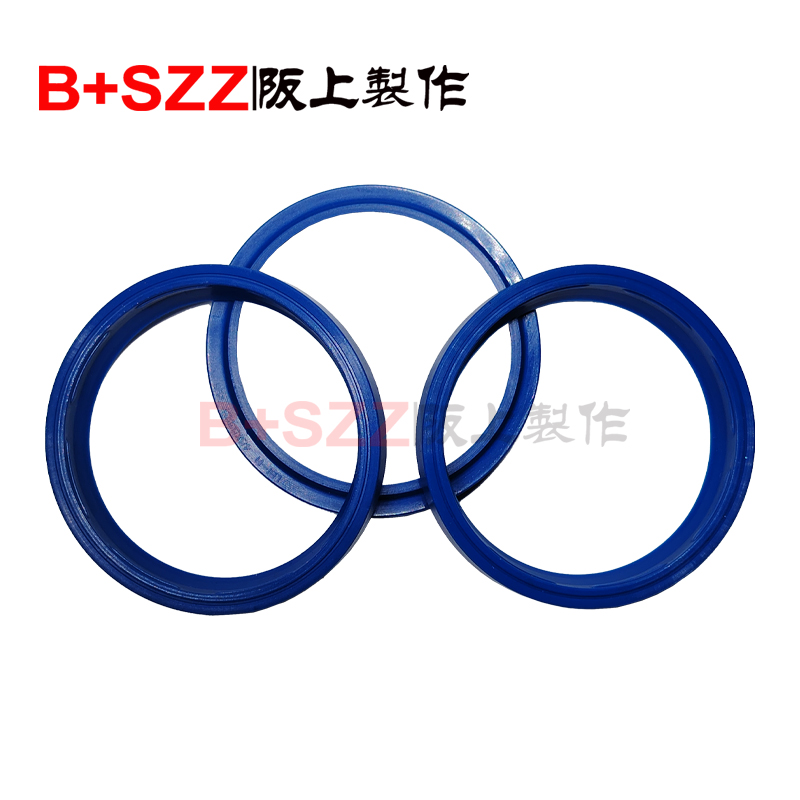
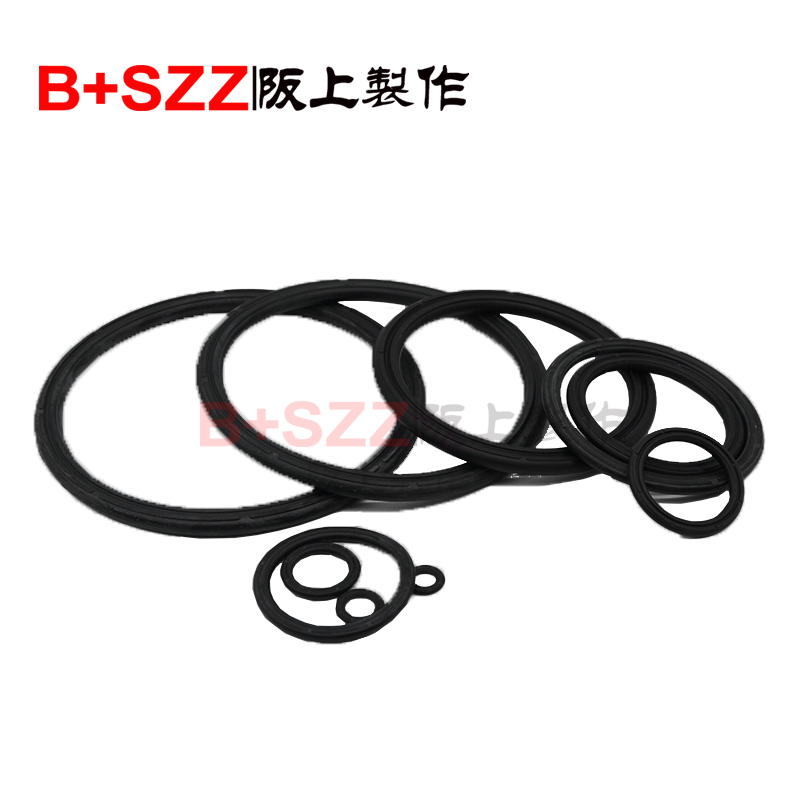
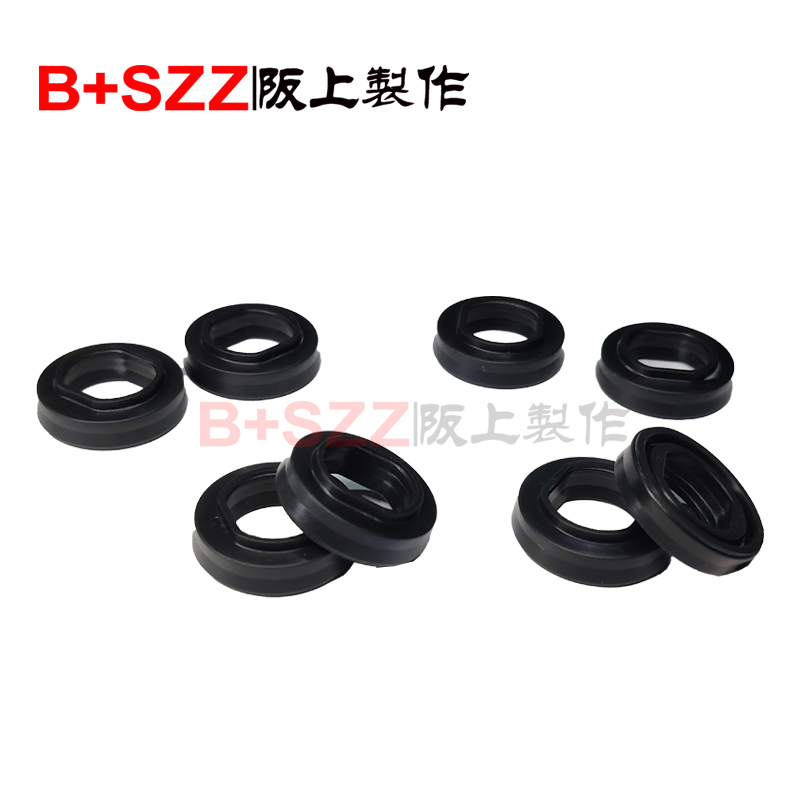
Triple-Function Guard Seal System
High-Precision, Multi-Barrier Sealing for Contaminant-Sensitive Applications
Product Overview
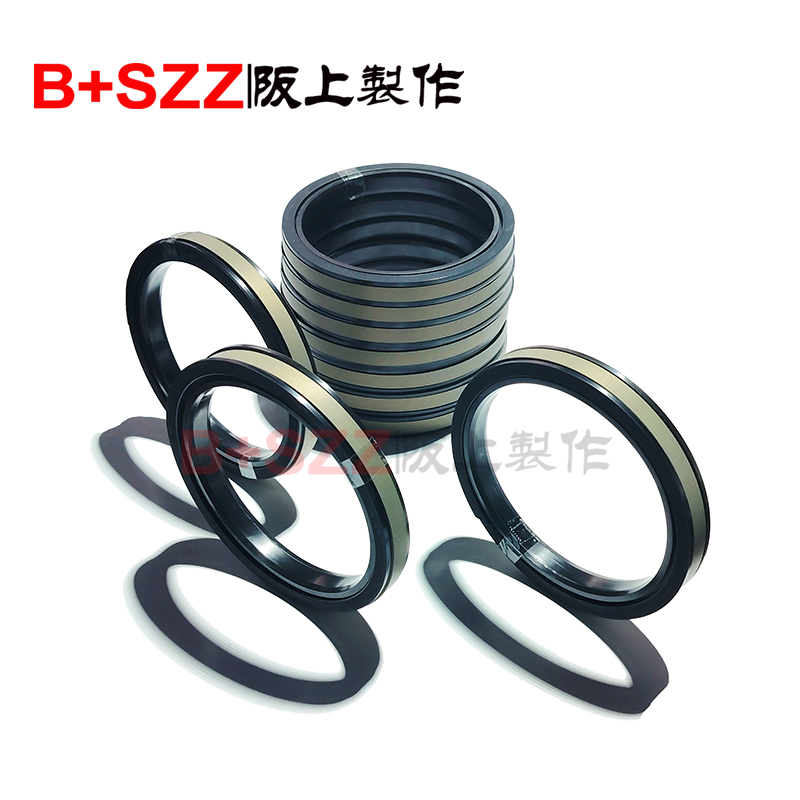
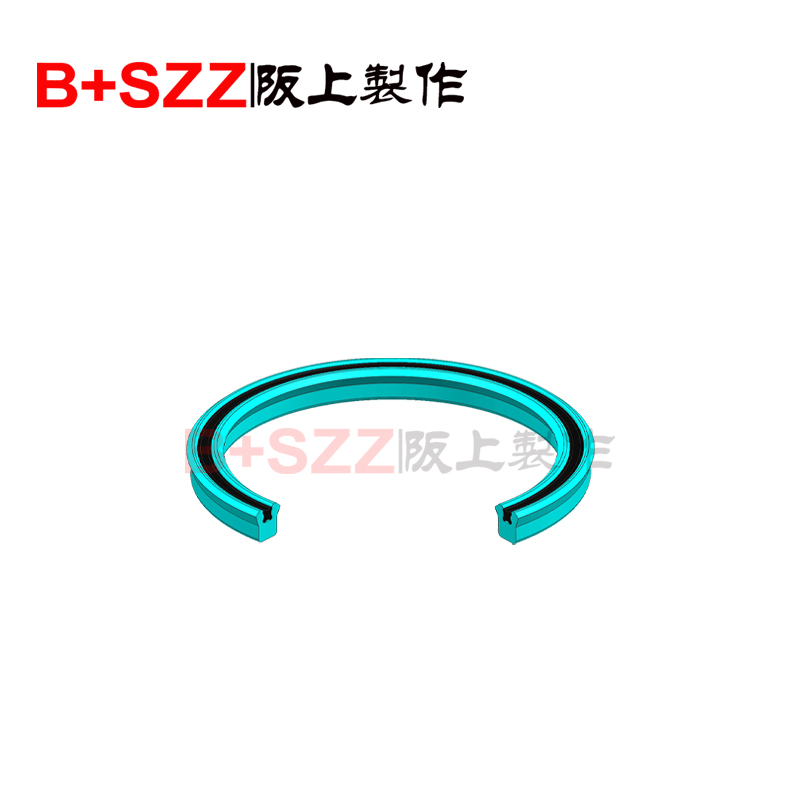
The TFG-Type Piston Rod Seal is a high-performance sealing system engineered for applications where external contamination poses a critical threat to system reliability. Featuring our patented TFG (Triple-Function Guard) architecture, this specialized seal integrates three distinct protective barriers into a single compact unit, providing superior defense against particulate, liquid, and chemical contaminants while maintaining exceptional sealing integrity.
Core Design Innovations
1. Triple-Barrier Protection System
-
Primary Dynamic Seal: High-precision polyurethane lip with micro-grooved surface texture for optimal lubricant film control and minimal friction generation
-
Hydrodynamic Particle Barrier: Intermediate PTFE-based ring with helical micro-channels that create fluid vortex to repel incoming contaminants
-
Environmental Guard Lip: Flexible elastomeric outer lip with chemical-resistant properties, providing static seal against splash and spray contaminants
-
Barrier Isolation Chambers: Each protective layer is separated by drainage channels that redirect captured contaminants away from critical sealing interfaces
2. Axial Pressure Gradient Management
-
Graduated Stiffness Design: Each barrier possesses strategically engineered material stiffness – soft outer guard, medium intermediate barrier, firm primary seal
-
Differential Pressure Activation: Each sealing element activates sequentially based on pressure levels (0.2 MPa/2.0 MPa/5.0 MPa thresholds)
-
Pressure-Equalization Channels: Micro-passages between barriers prevent pressure lock and ensure smooth barrier activation
3. Corrosion & Chemical Defense Matrix
-
Multi-Material Hybrid Construction: Each barrier utilizes materials optimized for specific contaminant types (elastomer for chemicals, PTFE for particulates, PU for dynamic sealing)
-
Crevice-Free Interface Design: All material junctions are chemically bonded or mechanically interlocked to eliminate contaminant traps
-
Sacrificial Protection Layer: Outer guard lip can be field-replaceable, extending main seal life in aggressive environments
Material Configuration
Performance Specifications
Target Applications
Primary Industries:
-
Food & Pharmaceutical Processing: CIP/SIP washdown environments, sterile areas
-
Semiconductor Manufacturing: Cleanroom equipment, wafer handling systems
-
Marine & Offshore: Saltwater exposure, high-humidity conditions
-
Chemical Processing: Acid/alkaline splash zones, volatile organic compounds
-
Mobile Equipment: Agricultural machinery, construction in wet/dusty environments
Specific Use Cases:
-
Robotic actuators in washdown-rated food packaging lines
-
Hydraulic cylinders for offshore platform deck machinery
-
Precision positioning stages in semiconductor lithography
-
Processing vessel lid seals in pharmaceutical reactors
-
Excavator arm cylinders in demolition environments
Installation & Maintenance Protocol
Design Prerequisites:
-
Rod Specifications: Hard chrome plated (≥30μm), Ra ≤ 0.1μm, hardness ≥ 58 HRC
-
Gland Design: TFG-specific dimensions with integrated drainage ports
-
Surface Treatments: Passivation recommended for stainless steel components
Installation Procedure:
-
Pre-cleaning: Gland and rod must achieve cleanliness level ISO 4406 14/12/10
-
Tool Requirement: TFG installation mandrel set (three-stage taper design)
-
Lubrication: TFG-specific assembly gel (compatible with all seal materials)
-
Verification: Post-installation inspection using TFG alignment gauge
Maintenance Features:
-
Condition Monitoring: Integrated wear indicators visible without disassembly
-
Modular Replacement: Outer guard can be replaced independently
-
Drainage Port Access: Standard 1/8″ NPT ports for drainage channel maintenance
Validation & Certification
-
Industry Standards: Compliant with FDA 21 CFR 177.2600, EU 10/2011, USP Class VI
-
Testing Protocols: ISO 7986 (leakage), ISO 188 (aging), ASTM F04 (cleanliness)
-
Field Validation: >10,000 hours in semiconductor cleanroom applications
-
Certifications: NSF/ANSI 61, EHEDG certified (specific variants)
Technical Advantages
-
Unified Protection: Three specialized barriers in one assembly eliminate installation gaps between separate seals
-
Progressive Defense: Each barrier activates according to threat level, optimizing seal life
-
Reduced Complexity: Single seal replaces traditional multi-seal arrangements, cutting installation time by 60%
-
Predictable Maintenance: Visual wear indicators and modular design enable condition-based maintenance
-
Cross-Industry Compatibility: Material options cover requirements from food grade to chemical resistance
Engineering Notes: The TFG architecture utilizes sequential barrier activation to optimize energy efficiency – only the necessary protection level is engaged based on operating conditions. This system demonstrates particular effectiveness in cyclic applications with variable contamination exposure. Gland design consultation is strongly recommended as the TFG seal requires specific drainage and porting features not found in standard groove designs. Performance data based on TFG-1000 series; specialized variants available for extreme conditions.
Original source: Hydraulic seal https://www.bszzseal.com/