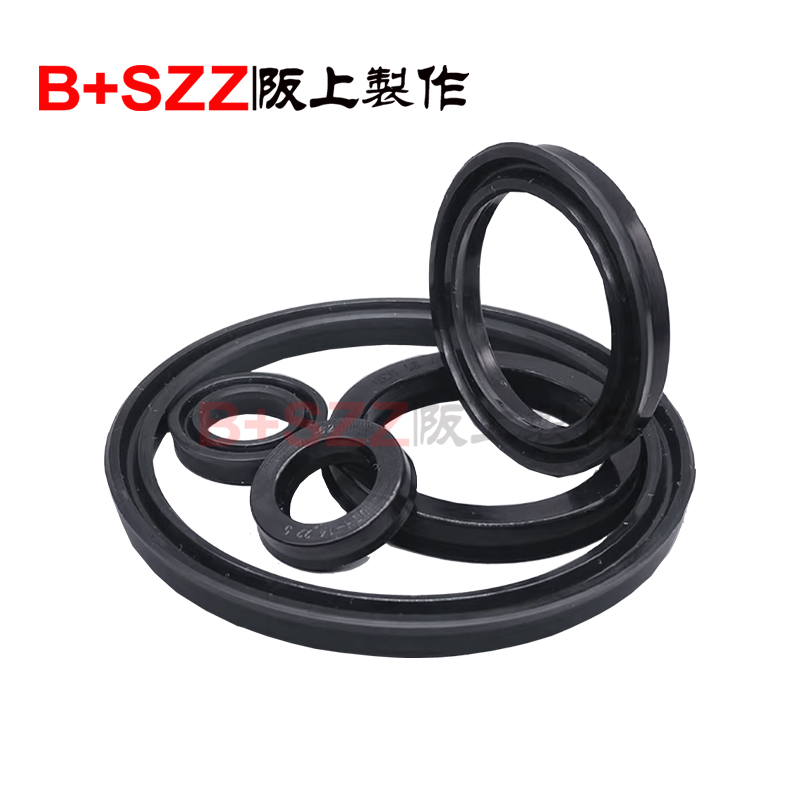
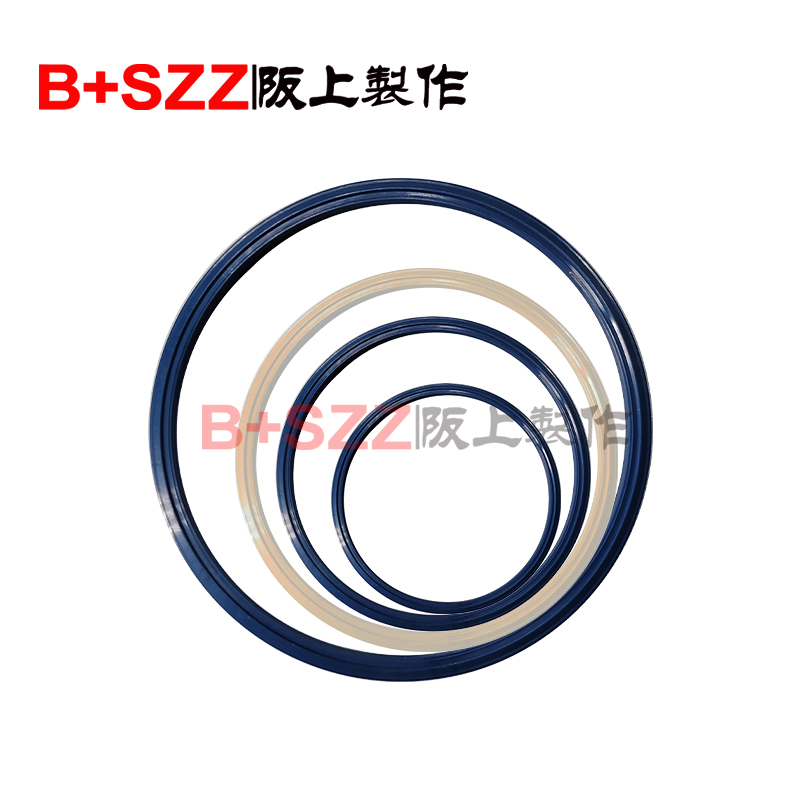
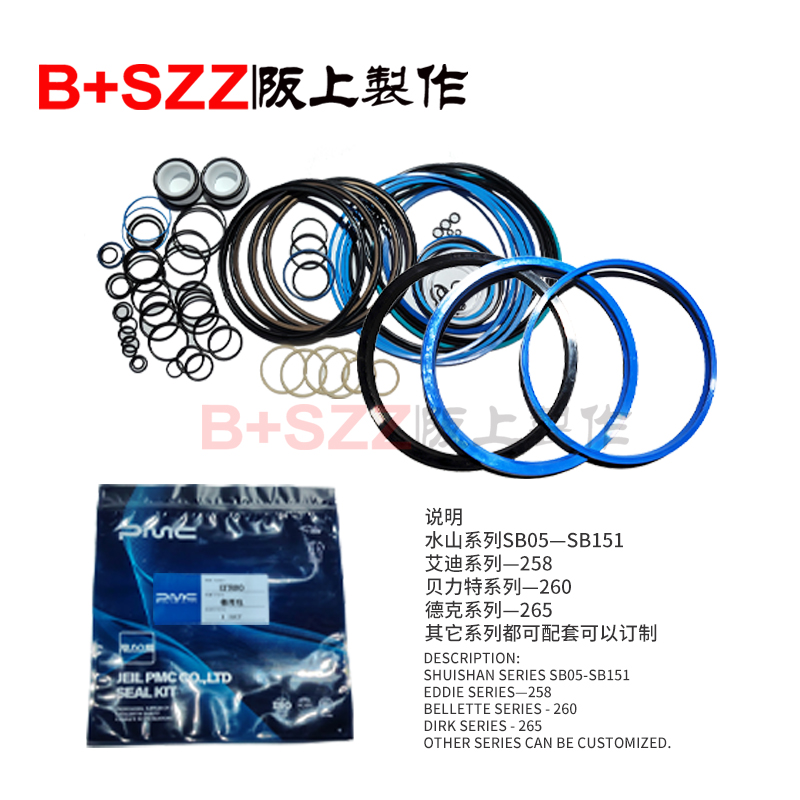
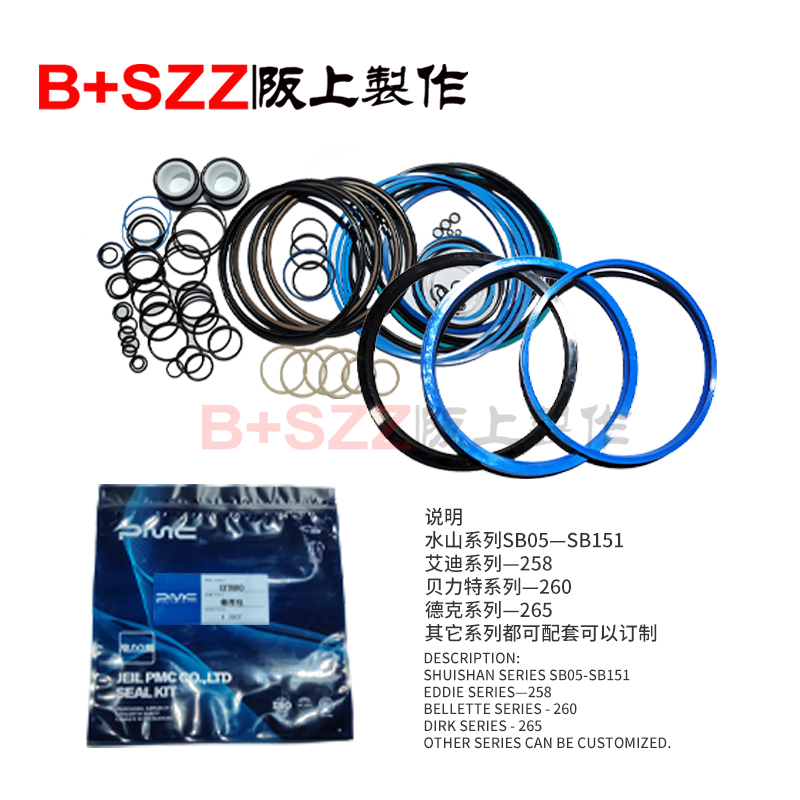
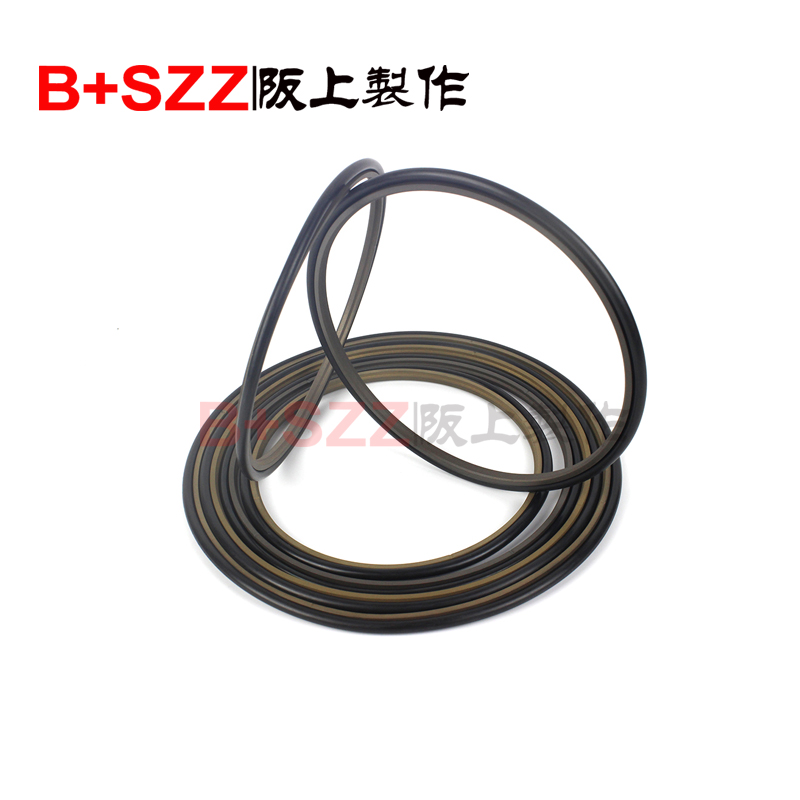
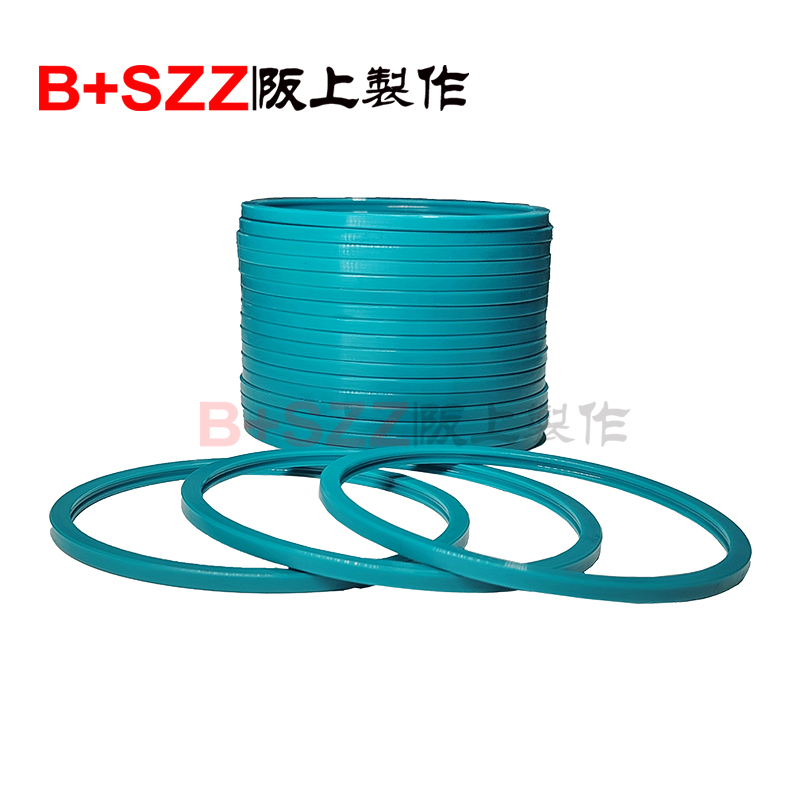
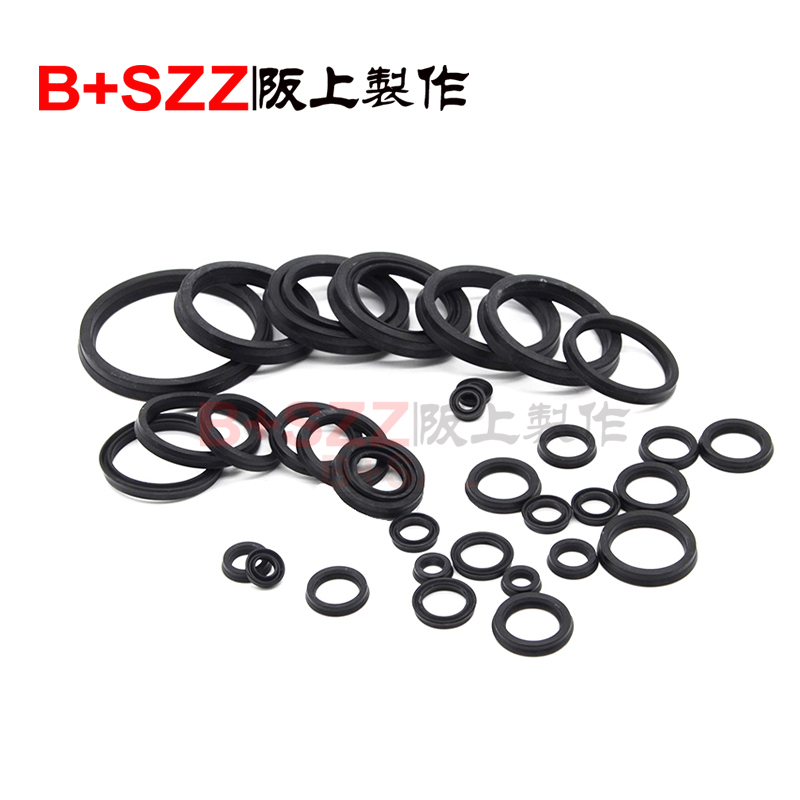
UN-Type Piston Rod Specialty Seals
Product Overview
The UN-Type Piston Rod Seal (Universal Non-directional seal) is a precision-engineered, symmetrical sealing solution designed for hydraulic and pneumatic applications requiring bidirectional sealing performance with simplified installation. It features a balanced geometry that ensures reliable operation regardless of installation orientation, making it an efficient choice for standardized and high-volume production environments.
Design & Structural Features
-
Symmetrical Double-Lip Profile: Two identical sealing lips provide effective sealing in both rod extension and retraction strokes.
-
Unitary Homogeneous Construction: Manufactured from single-material advanced polyurethane or thermoplastic elastomer, ensuring uniform physical properties.
-
Integrated Anti-Extrusion Support: Internal geometry reinforces sealing edges to prevent deformation under medium-pressure conditions.
-
Self-Lubricating Design: Material formulation and surface treatment promote low friction and extended service life.
Performance Characteristics
Key Advantages
-
Installation Simplicity: No directional identification required, reducing assembly time and error.
-
Space Efficiency: Compact design fits into standard gland dimensions, often replacing multi-component seal sets.
-
Maintenance Friendly: Easy inspection and replacement due to symmetrical configuration.
-
Cost-Effective: Reduces inventory complexity by serving multiple installation orientations with one part number.
-
Reliable Performance: Proven sealing stability in fluctuating pressure and moderate side-load conditions.
Typical Applications
-
General Industrial Hydraulics: Medium-duty cylinders, material handling equipment.
-
Factory Automation: Pneumatic actuators, robotic grippers, linear motion modules.
-
Mobile Hydraulics: Agricultural machinery, forklift cylinders, lifting devices.
-
Machine Tools: Clamping cylinders, feed mechanisms, auxiliary actuators.
-
Packaging & Printing Machinery: Where consistent low-friction motion is required.
Installation Guidelines
-
Gland Preparation: Ensure clean, chamfered groove edges (recommended 15°–20° chamfer).
-
Rod Condition: Hard-chromed or polished rods with surface roughness Ra ≤ 0.2 μm preferred.
-
Lubrication: Apply system-compatible fluid to seal and rod before installation.
-
Tool Usage: Use non-metallic installation tools to avoid lip damage.
-
Clearance Check: Verify radial clearance per manufacturer’s specification for intended pressure range.
Limitations & Considerations
-
Not recommended for ultra-high pressure (>40 MPa) or high-speed (>1 m/s) applications.
-
May require additional rod wiper in heavily contaminated environments.
-
Performance in vacuum or gas sealing applications requires specific material validation.
Complementary Components
-
Rod Wipers: e.g., SKF type for enhanced contamination exclusion.
-
Guide Rings: For applications with significant lateral forces.
-
O-Rings/Backup Rings: For additional static sealing or high-pressure backup in modified glands.
Technical Note:
The UN-Type seal offers a balanced solution for applications where operational simplicity and reliable bidirectional sealing are prioritized. For critical or extreme operating conditions, consult manufacturer technical data for material suitability, temperature limits, and specific dynamic performance curves.
Always verify exact dimensions, material grade, and compatibility with system media before selection and installation.
Original text from: pneumatic seal https://www.bszzseal.com/