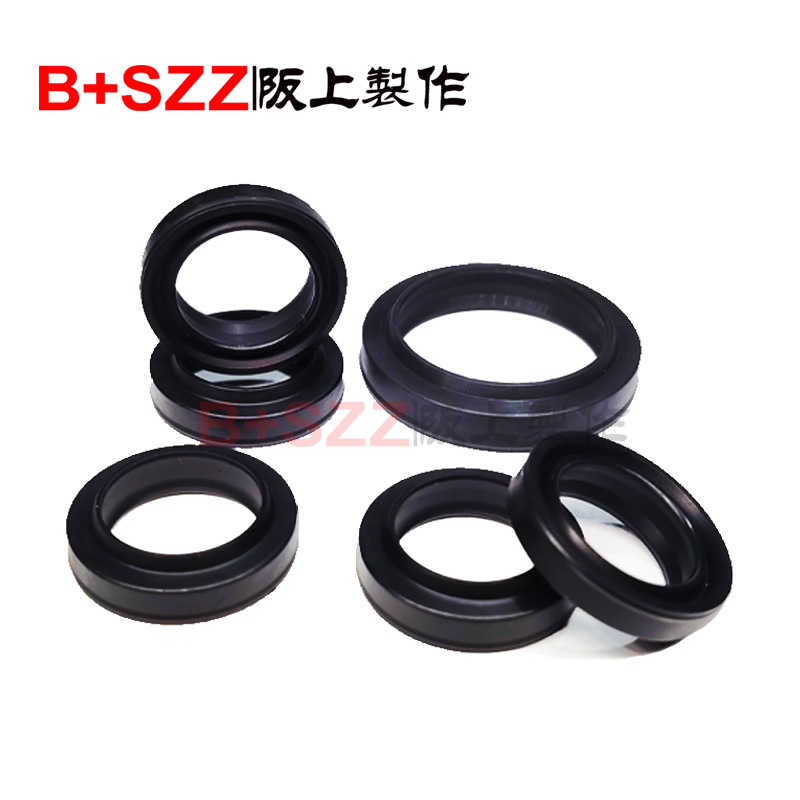
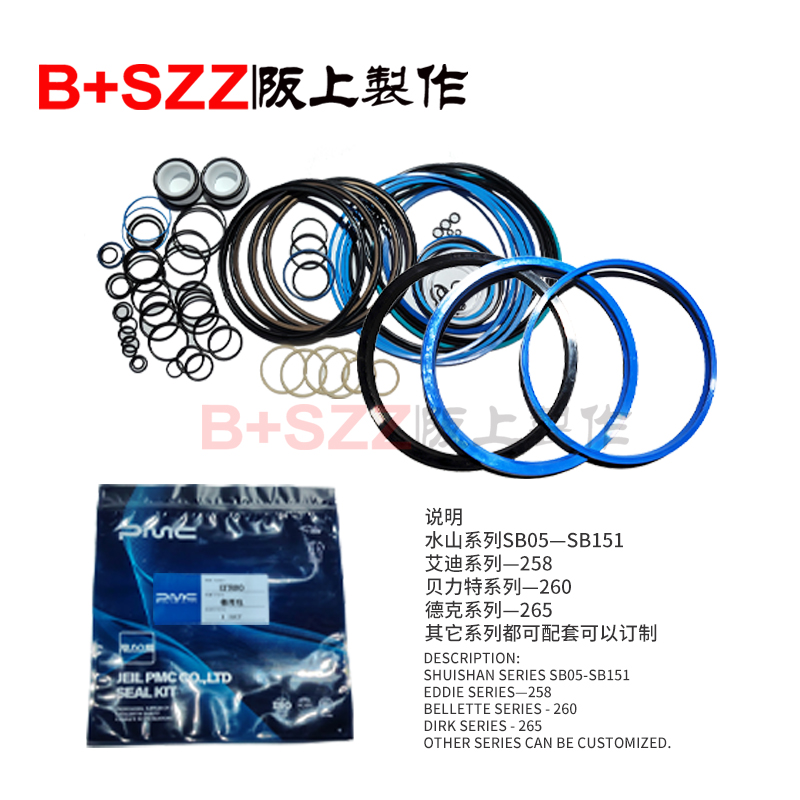
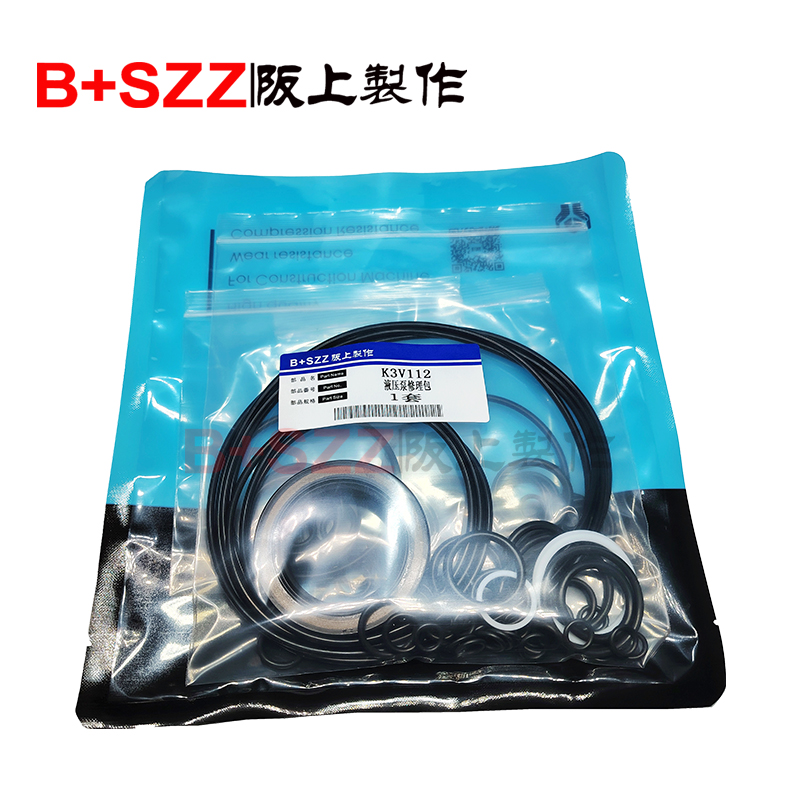
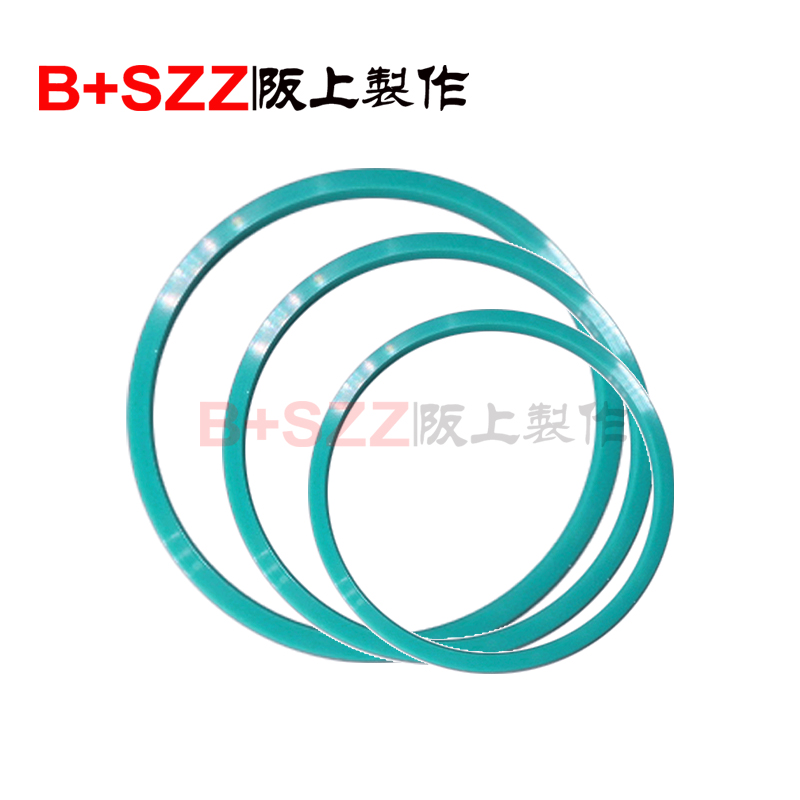
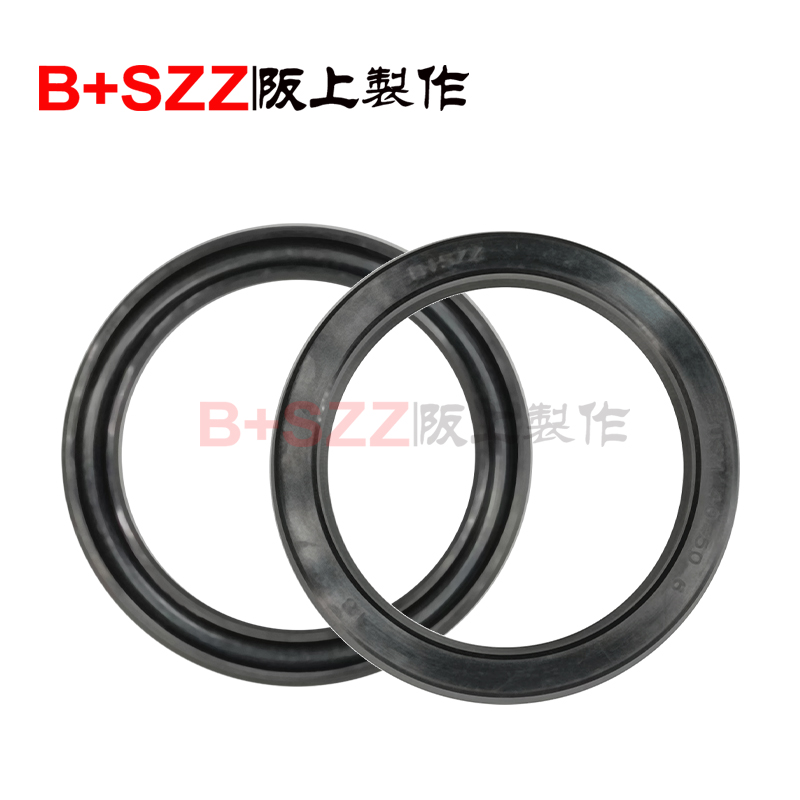
Fluorine rubber oil seal is a high-performance seal, which has been widely used in many industrial fields due to its high temperature resistance, oil resistance, medium resistance and chemical stability.
I. Overview of fluorine rubber oil seal
Fluororubber is a synthetic polymer elastomer containing fluorine atoms on the main or side chain. The introduction of fluorine atoms gives rubber excellent heat resistance, oxidation resistance, oil resistance, corrosion resistance and atmospheric aging resistance.
II. Performance characteristics
1. High temperature resistance: Fluorine rubber has good high temperature resistance, which is one of the best elastomers at present. For example, type 26 fluorine rubber can be used for a long time at 250°C and for a short time at 300°C; Type 246 fluorine rubber has better heat resistance and maintains good elasticity after aging hot air at 350°C.
2. Oil resistance: Fluorine rubber has excellent resistance to various oils (such as petroleum-based oils, diester oils, siliconether oils, etc.) and solvents, and can withstand both high temperature and high-pressure oil environments.
3. Corrosion resistance: Fluorine rubber can tolerate a variety of inorganic acids and organic solvents, such as strong corrosive media such as concentrated sulfuric acid and fuming nitric acid, and is only sensitive to a few substances such as low molecular ketones, ethers and esters.
4. Weather aging resistance: Fluorine rubber has excellent ozone and weather aging resistance, and can maintain good performance after long-term natural storage and exposure to harsh environments.
5. Good physical and mechanical properties: Fluorine rubber has high tensile strength, tear strength and compression-resistant permanent deformation performance, and can maintain stability under harsh working conditions.
II. Sealing principle of fluorine rubber oil seal
The sealing principle of fluorine rubber oil seal is mainly based on the oil film control and fluid lubrication characteristics between the oil seal and the shaft. The sealing structure is usually composed of an oil seal, a reinforced skeleton and a self-tightening coil spring. The oil seal is divided into bottom, waist, edge and sealed lips according to different parts.
1. Oil film control
In a free state, the inner diameter of the fluoro rubber skeleton is usually smaller than that of the shaft diameter, that is, it has a certain “excess profit”. When the oil is packaged into the oil seal seat and shaft, the pressure of the oil seal blade and the shrinkage force of the self-tightening coil spring produce a certain radial tightening force on the shaft. This tight force forms an extremely thin oil film between the oil sealing edge and the shaft. This oil film has fluid lubrication characteristics, which can not only reduce the friction between the oil seal and the shaft, but also prevent the leakage of working media.
2. Fluid lubrication and crescent surface effect
Under the action of liquid surface tension, the stiffness of the oil film just causes the oil film to form a crescent surface at the contact end of the oil film and the air. This crescent surface effectively prevents the leakage of the working medium, thus realizing the sealing of the rotating shaft. The crescent effect is an important guarantee for the sealing performance of fluorine rubber oil seals. It requires the oil seal to be perpendicular to the axis when installed, otherwise it will lead to excessive wear and lubricating oil sealing lips and the drying of lubricants from the shaft, which will affect the sealing effect.
III. Structural design of fluoro rubber oil seal
The structural design of fluoro rubber oil seal is a key factor to ensure its sealing performance and service life. Generally speaking, the structural design of fluorine rubber oil seals needs to consider the following aspects:
1. Material selection
As the main material of oil seal, the performance of fluorine rubber directly affects the sealing effect and service life of the oil seal. Therefore, when selecting materials, it is necessary to comprehensively consider the high temperature resistance, oil resistance and chemical corrosion resistance of fluorine rubber, and make appropriate adjustments according to the specific working conditions. In addition, the processing and physical properties of fluorine rubber can be improved by adding additives such as reinforcements and vulcanizers.
2. Structure layout
The structural layout of fluoro rubber oil seals needs to be reasonable to ensure synergy between components. Generally speaking, the oil seal should be designed as a rigid structure to withstand the movement and vibration of the shaft; the reinforced skeleton should be used to improve the overall strength and stiffness of the oil seal; and the self-tightening coil spring should be used to compensate for the deformation and wear of the oil seal during long-term use.
3. Sealed lip design
The sealing lip is a key component of the fluorine rubber oil seal, and its shape and size have a direct impact on the sealing performance. The sealed lips should be designed to fit closely with the surface of the shaft, and have a certain degree of elasticity and wear resistance. In addition, the thickness, tilt angle and sharpness of the sealed lips also need to be carefully designed according to the specific working conditions.
4. Assembly and adjustment
The assembly and adjustment of fluoro rubber oil seals are also important links to ensure their sealing performance. When assembling, it is necessary to ensure the matching accuracy of oil seals with oil seals and shafts to avoid excessive surpluses. At the same time, the oil seal needs to be adjusted to ensure that it can maintain a stable sealing effect during use.
IV. Application field
1. Automotive industry: Oil seals and O-rings for engines, transmissions and transmission systems to ensure that oil does not leak and improve the operating efficiency and reliability of the system.
2. Aerospace: It is widely used in fuel systems, hydraulic systems, cooling systems and electrical line sheaths of spacecraft, aircraft and rockets, and can withstand extreme high temperature and high-pressure environments.
3. Petrochemical industry: Used to seal chemicals such as inorganic acids and organic solvents on oil refining equipment, natural gas desulfurization devices, pumps, pipe joints and equipment containers.
V. Use and maintenance
1. Proper storage: temporarily unused fluoro rubber oil seals should be stored in a dry, cool, oil-free and dust-free environment to avoid direct sunlight and high temperatures.
2. Correct installation: Before installation, make sure that the outer surface of the shaft diameter is smooth and defect-free, and apply cleaning oil or grease at the position corresponding to the oil seal lip and the shaft diameter. Use special tools to rotate and press the oil seal in to avoid deformation or failure caused by hard punching.
3. Regular inspection and maintenance: Regularly check the working status of the oil seal. If there is wear, aging or failure, it should be replaced in time. At the same time, keep the oil level moderate, and replace the oil with excessive impurities in time to prevent damage to the oil seal.
4. Avoid harsh working conditions: mechanical speeding, overload operation, large ambient temperature difference, dust, frequent vibration and other harsh working conditions will accelerate the aging and wear of oil seals, and should be avoided as much as possible.
Original source: Hydraulic seal https://www.bszzseal.com/