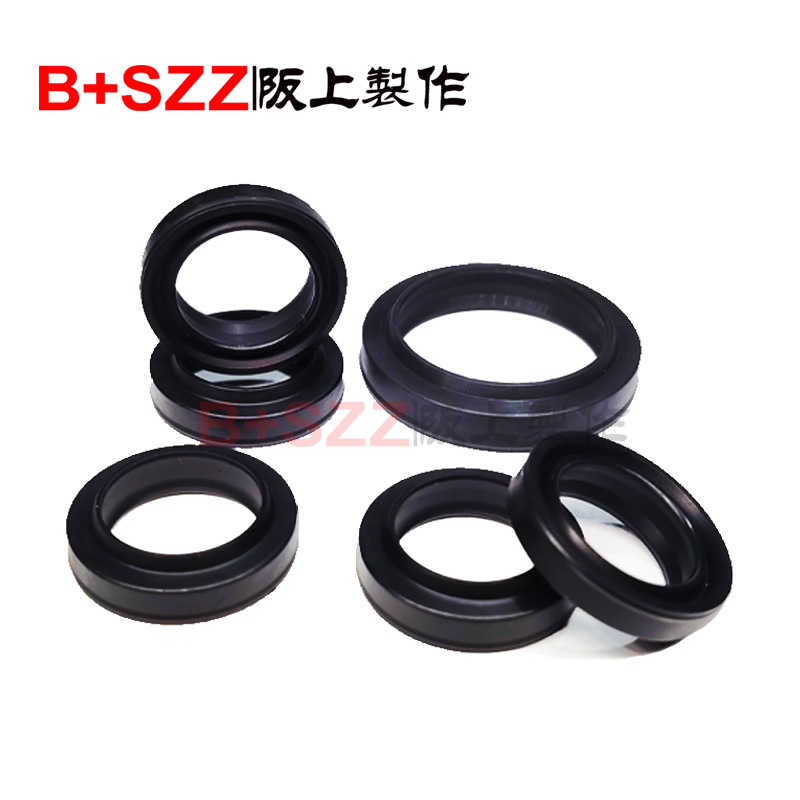
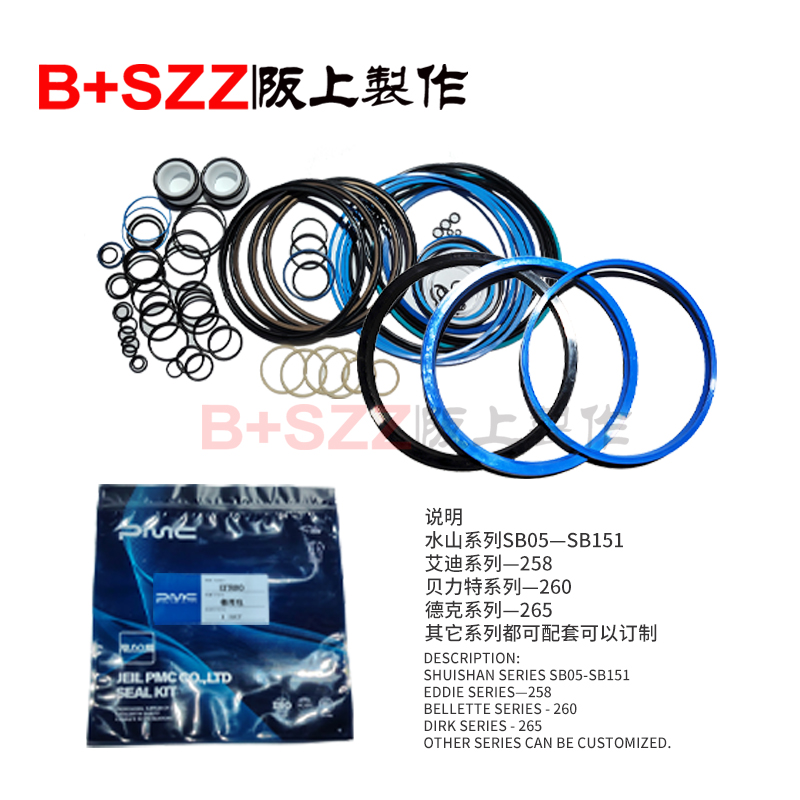
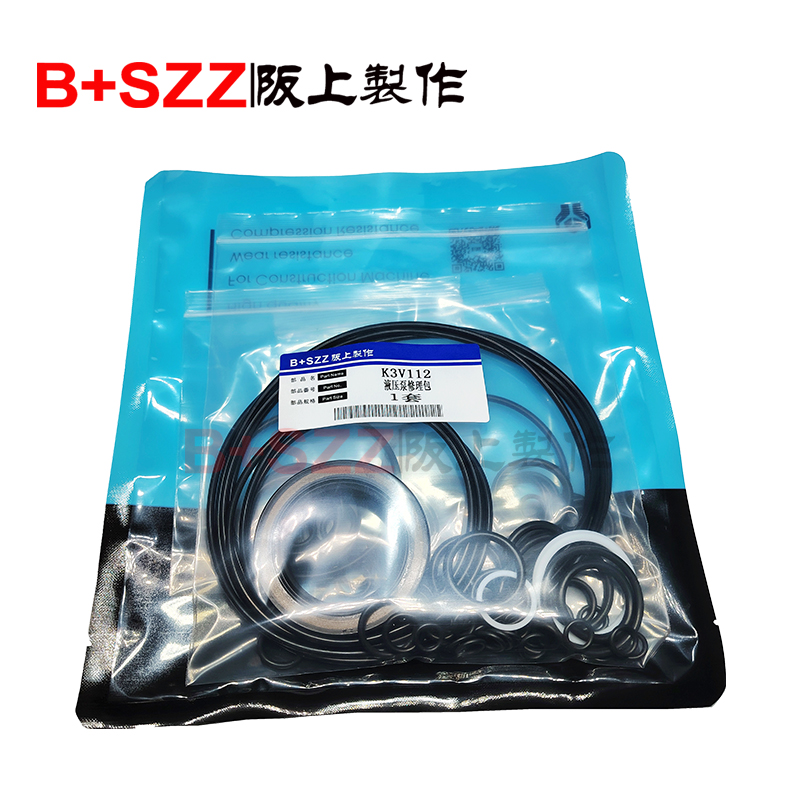
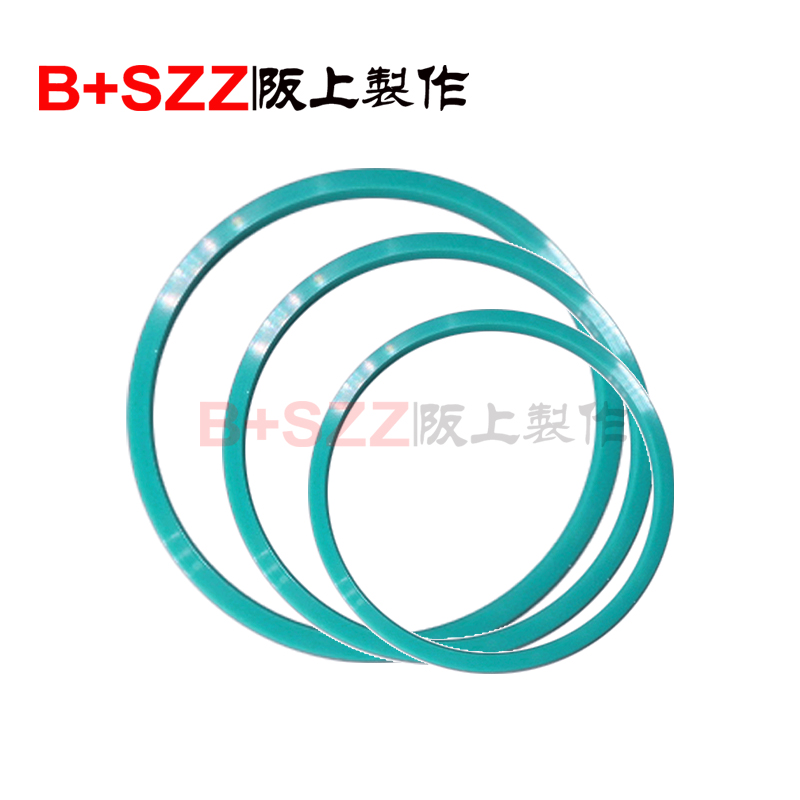
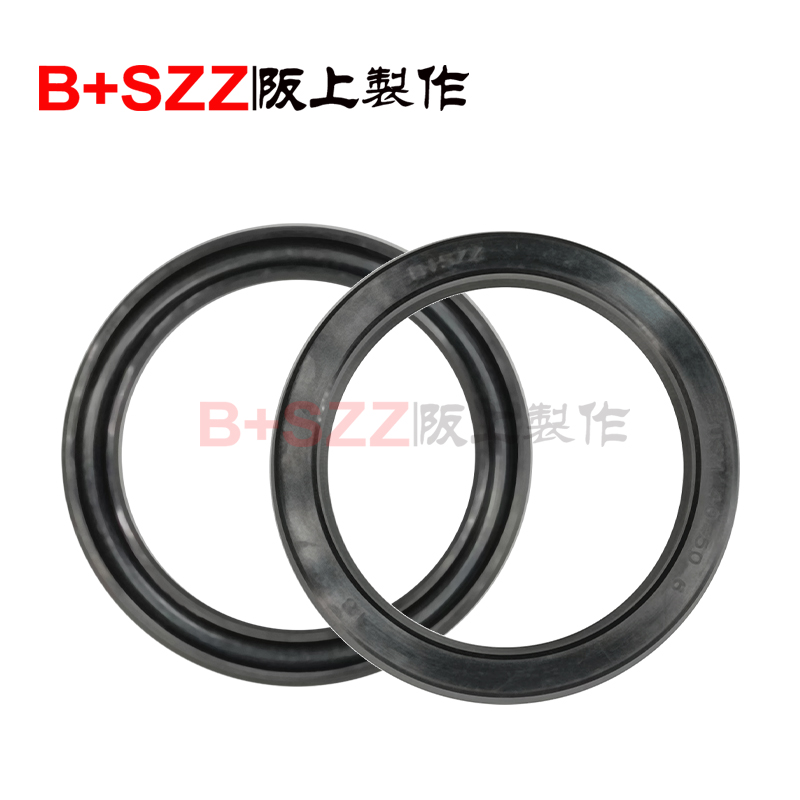
Of course. The term “Pneumatic PGY Sealing Ring“ refers to a specific type of rod seal used in pneumatic (air) cylinders. Here is a detailed breakdown in English:
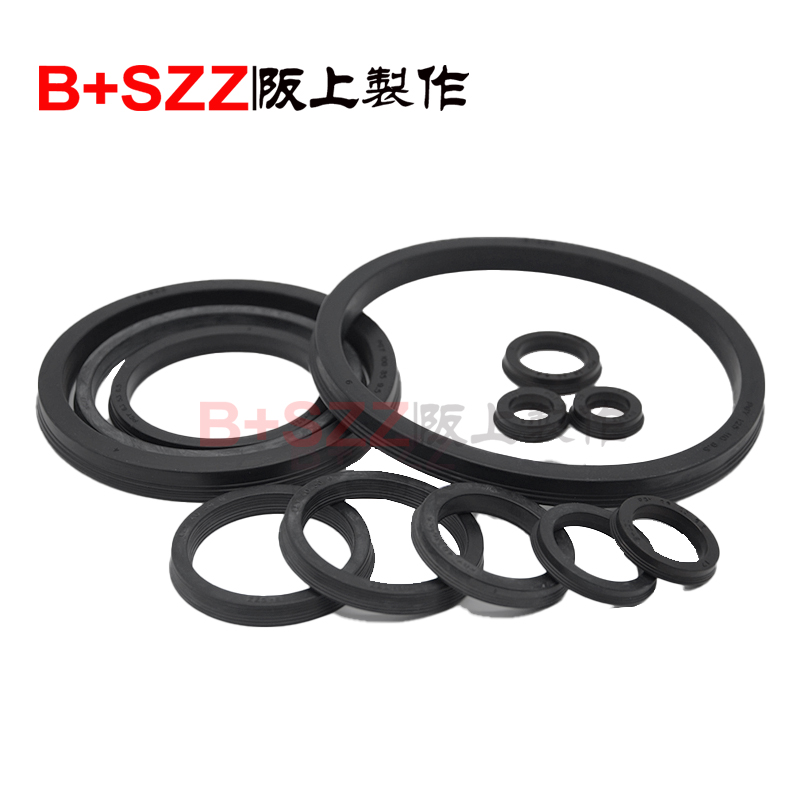
Pneumatic: Indicates the seal is designed for compressed air systems. Materials and design prioritize low friction, wear resistance, and exclusion of contaminants over high-pressure tolerance (needed for hydraulic systems).
PGY: This is most likely a manufacturer-specific series or part code. The letters often denote a specific cross-sectional shape, size range, or sealing principle. (Note: “PGY” is structurally very similar to common series from major manufacturers).
Sealing Ring: The general term for the component.
It is installed in the cylinder end cap, surrounding the piston rod. Its main jobs are:
Primary Sealing: To prevent compressed air from leaking out along the piston rod.
Contaminant Exclusion: To prevent external dust, dirt, and moisture from entering the cylinder, which protects the rod, cylinder bore, and other internal seals.
A “PGY” style seal typically refers to a Spring-Loaded U-Cup or Lip Seal, which consists of two main parts:
Sealing Element (Ring): Usually made from polyurethane (PU) or nitrile rubber (NBR). It has a sealing lip that contacts the piston rod.
Loading Element: An O-ring or a garter spring (stainless steel coil) that sits behind the sealing lip. This provides constant radial force to keep the lip in contact with the rod, ensuring effective sealing even at low pressure or during rod retraction.
The “PGY” designation is functionally equivalent to popular industry series from major seal manufacturers, such as:
Parker: PVR or PV Series
NOK (Japan): PG Series
Merkel (Trelleborg): TSE Series
Hallite: HDR Series
Simrit (Freudenberg): AK Series
These are generally interchangeable if the dimensions match.
Excellent Low-Pressure Sealing: The spring ensures zero-leakage even when the cylinder is idle.
Long Service Life: Polyurethane offers outstanding abrasion resistance.
Compact Design: Provides two functions (sealing and scraping) in one compact unit.
Check the Manual: Consult the cylinder’s parts manual or datasheet for the exact part number.
Measure the Old Seal: Accurately measure:
Rod Diameter (the shaft the seal rides on)
Groove Diameter (where the seal sits in the housing)
Groove Width
Take clear photos of the seal’s cross-section.
Contact a Supplier: Provide the measurements, photos, and the “PGY” code to a professional seal distributor. They can cross-reference it to an equivalent part.
Look for Branding: Inspect the old seal for any manufacturer logos or full part numbers molded into it.
In summary, a Pneumatic PGY Sealing Ring is a spring-energized rod seal for air cylinders, known for reliable, leak-free performance. Identification for replacement relies on precise measurements or cross-referencing with manufacturer catalogs.
Original text from: pneumatic seal https://www.bszzseal.com/