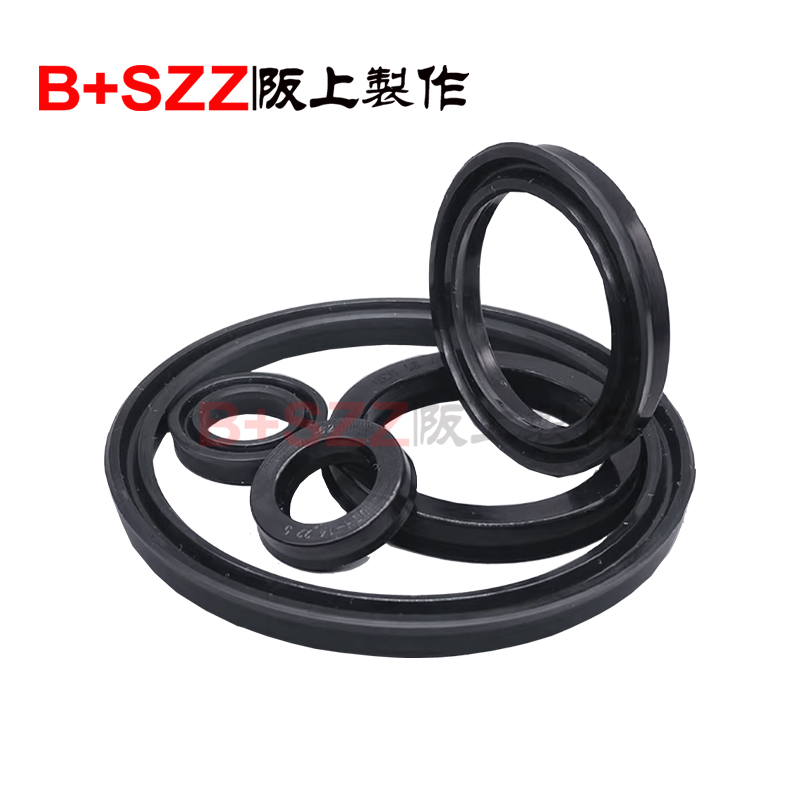
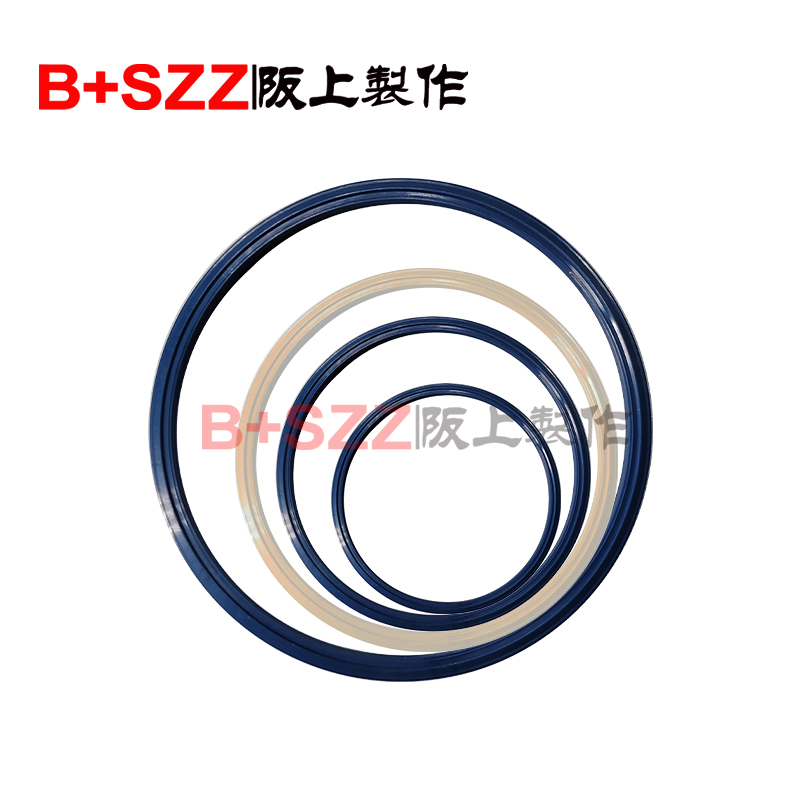
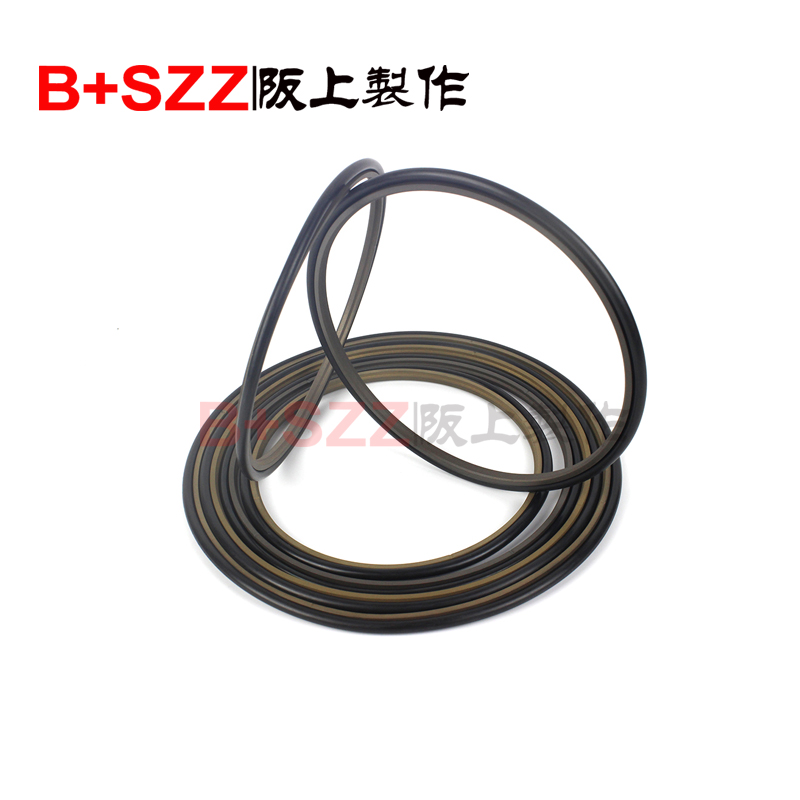
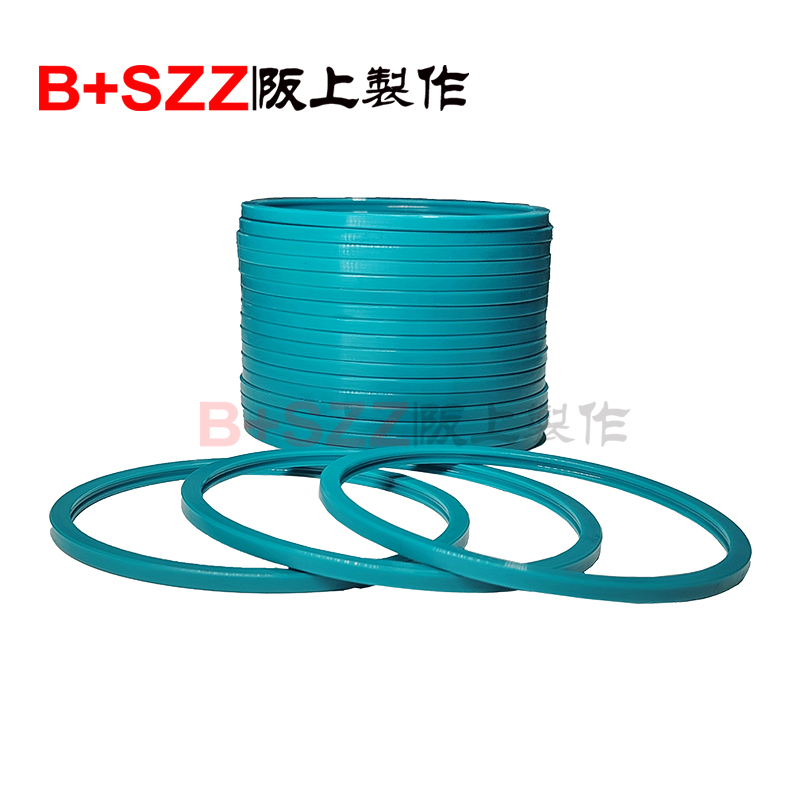
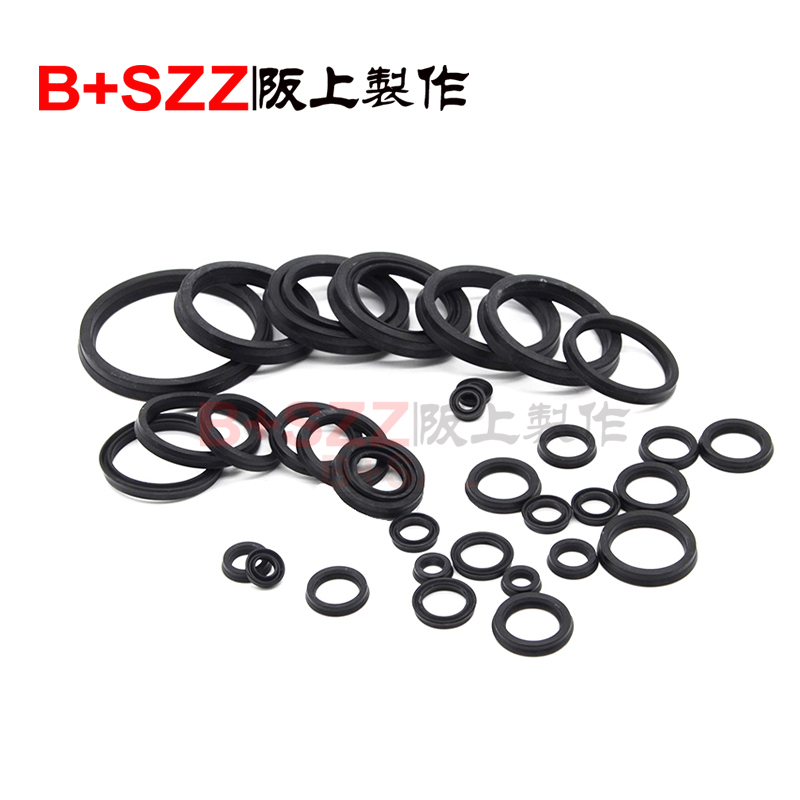
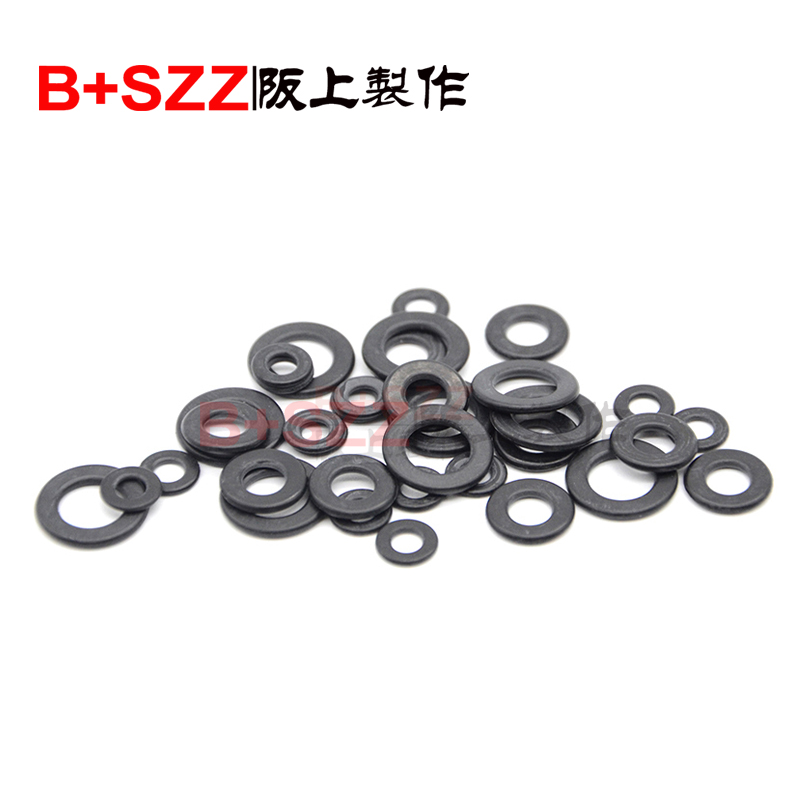
In engineering machinery (e.g., excavators, loaders, cranes, rollers), the hydraulic pump is the “heart,” and rubber seals are the “critical valves” ensuring its durable, powerful, and clean operation. Their primary functions are preventing hydraulic fluid leakage (internal and external) and blocking external contaminants (dust, water, debris) to maintain high-pressure, high-efficiency, and long-lasting system performance.


Common rubber seals used in hydraulic pumps include the following, installed at key locations:
| Seal Type | Typical Installation Location | Primary Function & Characteristics |
|---|---|---|
| O-Rings | Most widely used • Static seals: pump covers, end covers, flange interfaces • Dynamic seals: auxiliary seals for pistons/plungers |
Primary static seal. Low cost, simple structure, reliable sealing. Often combined with wear rings (e.g., Glyd Rings, Step Seals) in dynamic applications. |
| Rotary Shaft Lip Seals | Pump drive shaft extension (input shaft) | Critical dynamic seal preventing fluid leakage. Directly contacts high-speed rotating shafts, enduring centrifugal force, friction, and temperature rise. |
| Hydraulic Cylinder Combination Seals | Pistons/piston rods (for piston/plunger pumps) | Not pure rubber; combine rubber (e.g., O-rings) with engineering plastics (e.g., PTFE). • Glyd Rings: for piston seals. • Step Seals: for piston rod seals. Features: extremely low friction, high-pressure resistance, near-zero leakage. |
| Wiper Seals (Scrapers) | Outermost side of piston rods or shaft ends | Prevent external particles (dust, sand, etc.) from entering the hydraulic system—the “sentry” of the first defense line. |
| Various Gaskets/Sealing Washers | Pump body mating surfaces, port fittings | Serve as static flat seals to prevent leakage at interfaces. |
Material selection depends on hydraulic fluid type, operating temperature, pressure, and media compatibility.
| Material Abbr. | Material Name | Properties & Applications |
|---|---|---|
| NBR | Nitrile Butadiene Rubber | Most common. Excellent resistance to mineral oils and greases; cost-effective. Suitable for most petroleum-based hydraulic fluids (HM, HV, etc.). Typical temperature range: -30°C to +100°C. |
| FKM/FPM | Fluorocarbon Rubber | High-performance choice. Outstanding resistance to high temperatures (up to 200°C+), oils, chemicals, and aging. Used in harsh conditions (high temp/pressure/corrosive media). Expensive. |
| HNBR | Hydrogenated Nitrile Rubber | Performance between NBR and FKM. Better than NBR in high-temperature resistance (up to 150°C), wear, and ozone resistance. Used in mid-to-high-end heavy-duty machinery. |
| EPDM | Ethylene Propylene Diene Monomer | Excellent resistance to water, steam, weathering, and phosphate ester fire-resistant fluids (HFD). Not compatible with mineral oils. Used in systems with water or specific fire-resistant fluids. |
| PU | Polyurethane Rubber | Extremely high wear and tear resistance. Often used for wear rings or high-pressure seals, but poor high-temperature resistance. |
Key Note: Modern hydraulic systems increasingly operate at higher pressures (35MPa+) and temperatures, driving greater adoption of FKM and HNBR.
Seal failure is a common cause of hydraulic pump issues and overall performance degradation.
Wear/Scoring:
Causes: Improper surface finish or burrs on mating parts; fluid contamination with abrasive particles.
Extrusion/Gap Bite:
Causes: Excessive system pressure or pressure spikes; oversized seal groove clearance; incorrect material hardness.
Permanent Set (Compression Set):
Causes: Prolonged exposure to high temperatures causing loss of elasticity; excessive installation interference.
Chemical Degradation (Swelling, Aging, Cracking):
Causes: Incompatibility between rubber material and hydraulic fluid; fluid contamination (water, additives); high-temperature accelerated oxidation.
Installation Damage:
Causes: Sharp edges damaging seal lips during improper installation (lack of tools/sleeves); O-ring twisting or over-stretching.
Precise Matching:
Media: Confirm hydraulic fluid brand/type and select compatible rubber material.
Operating Conditions: Consider maximum working pressure, peak temperature, and shaft speed.
Prioritize Quality:
Always use seals conforming to national (GB) or international standards (ISO, DIN). Inferior seals are a leading cause of early system failures.
Cleanliness Control:
Maintain absolute cleanliness during installation. Fluid contamination control is critical for seal longevity.
Correct Installation:
Use installation tools/sleeves; lubricate seals and mating surfaces with clean hydraulic fluid; avoid forceful handling.
Regular Maintenance & Inspection:
Periodically monitor hydraulic fluid cleanliness (particle count), temperature, and viscosity.
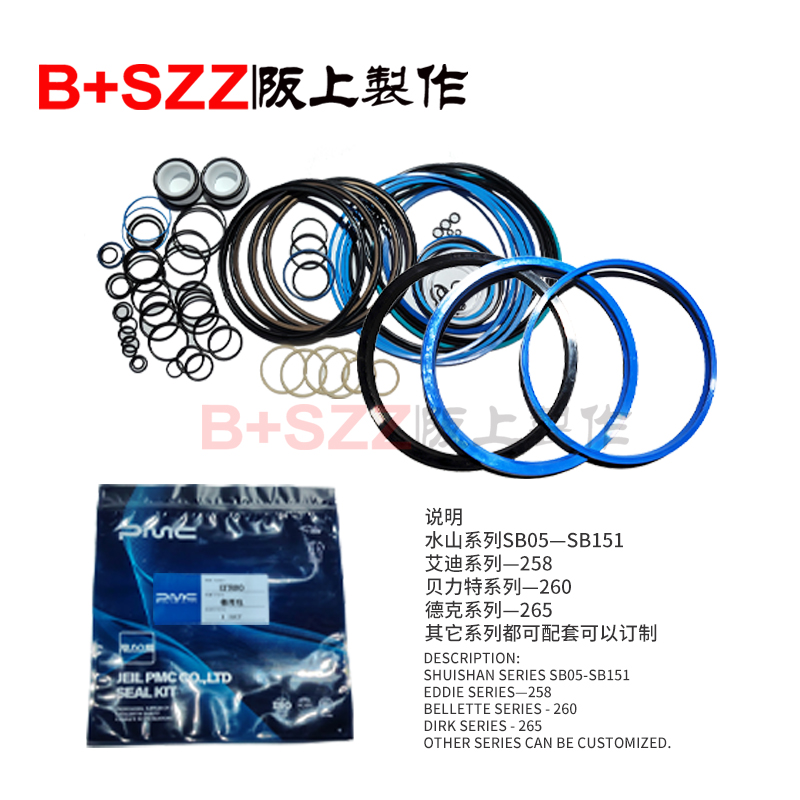
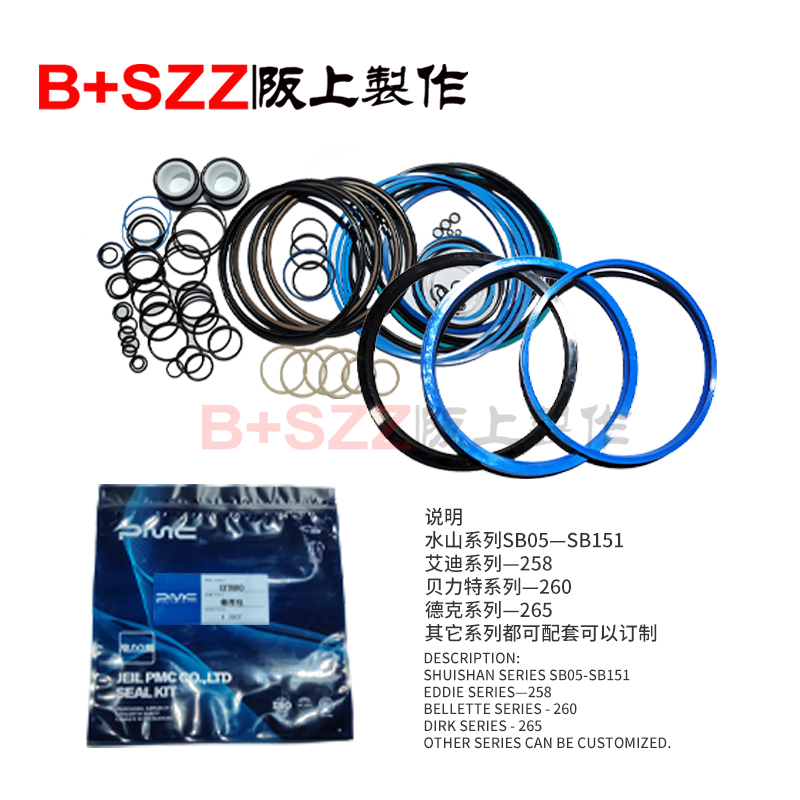
During pump overhaul or replacement, replace all seals as part of a standard repair kit; never replace only the damaged ones.
Although small, rubber seals for engineering machinery hydraulic pumps are technologically intensive and critical components. Their performance directly impacts:
Efficiency (internal leakage reduces volumetric efficiency and increases fuel consumption)
Reliability (external leakage causes contamination and fluid loss)
Service Life (seal failure triggers cascading system failures)
Therefore, correct selection, high-quality parts, proper installation, and scientific maintenance are essential for reliable and efficient machinery operation. During repairs, it is strongly recommended to use genuine or reputable brand seal repair kits to ensure compatibility and quality of all seals.
Original source: Hydraulic seal https://www.bszzseal.com/